

It is the third activity of the office in chronological order and clarifies the relationship between art and technique.
It provides us with objects that serve practical needs and at the same time educate with their aesthetic identity, as long as the user is in daily contact with them.
They are mass-produced products with commercial interest.
Introduction
It is the third activity of the office in chronological order and clarifies the relationship between art and technique.
It provides us with objects that serve practical needs and at the same time educate with their aesthetic identity, as long as the user is in daily contact with them.
They are mass-produced products with commercial interest.
Theme
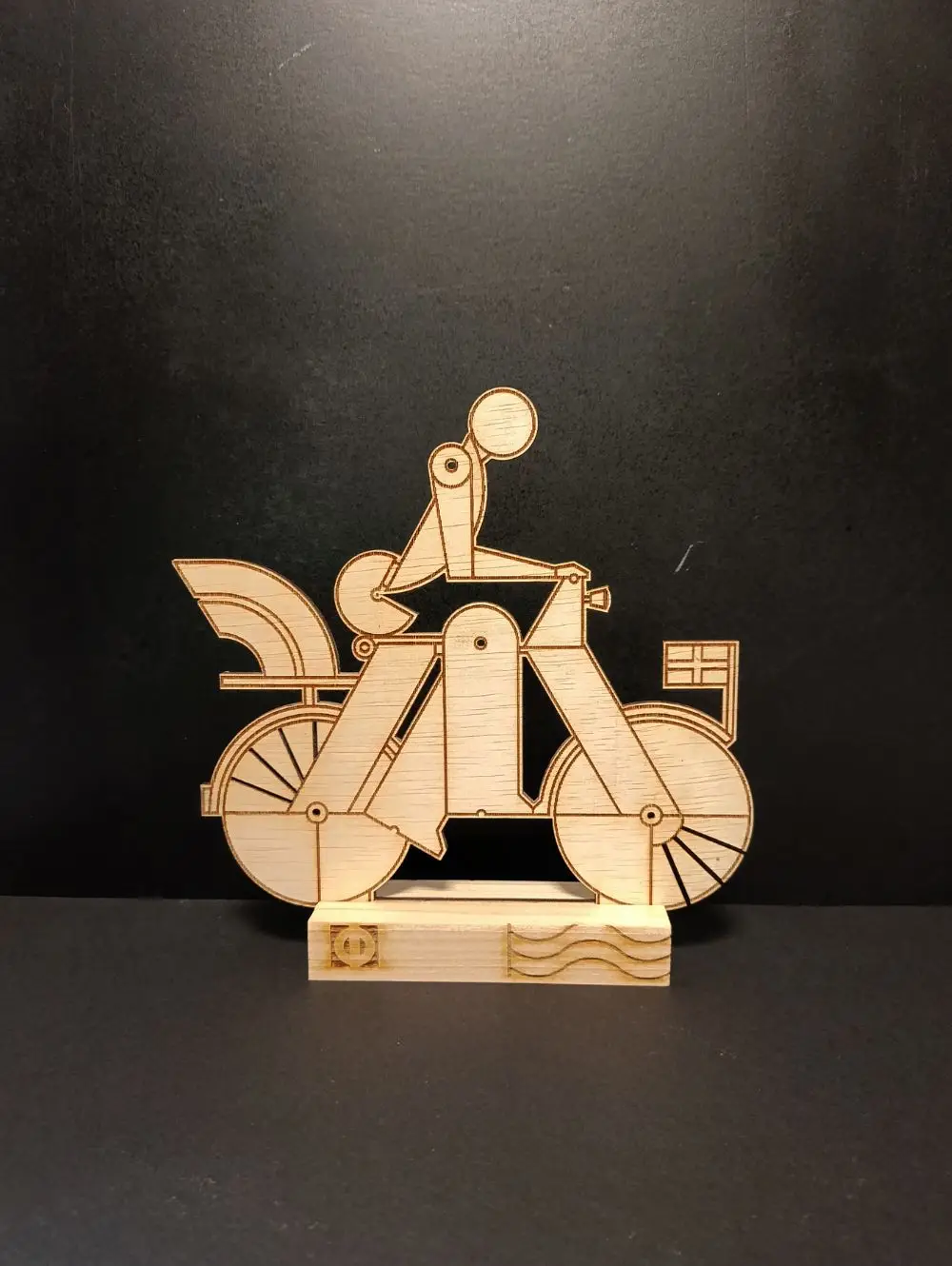
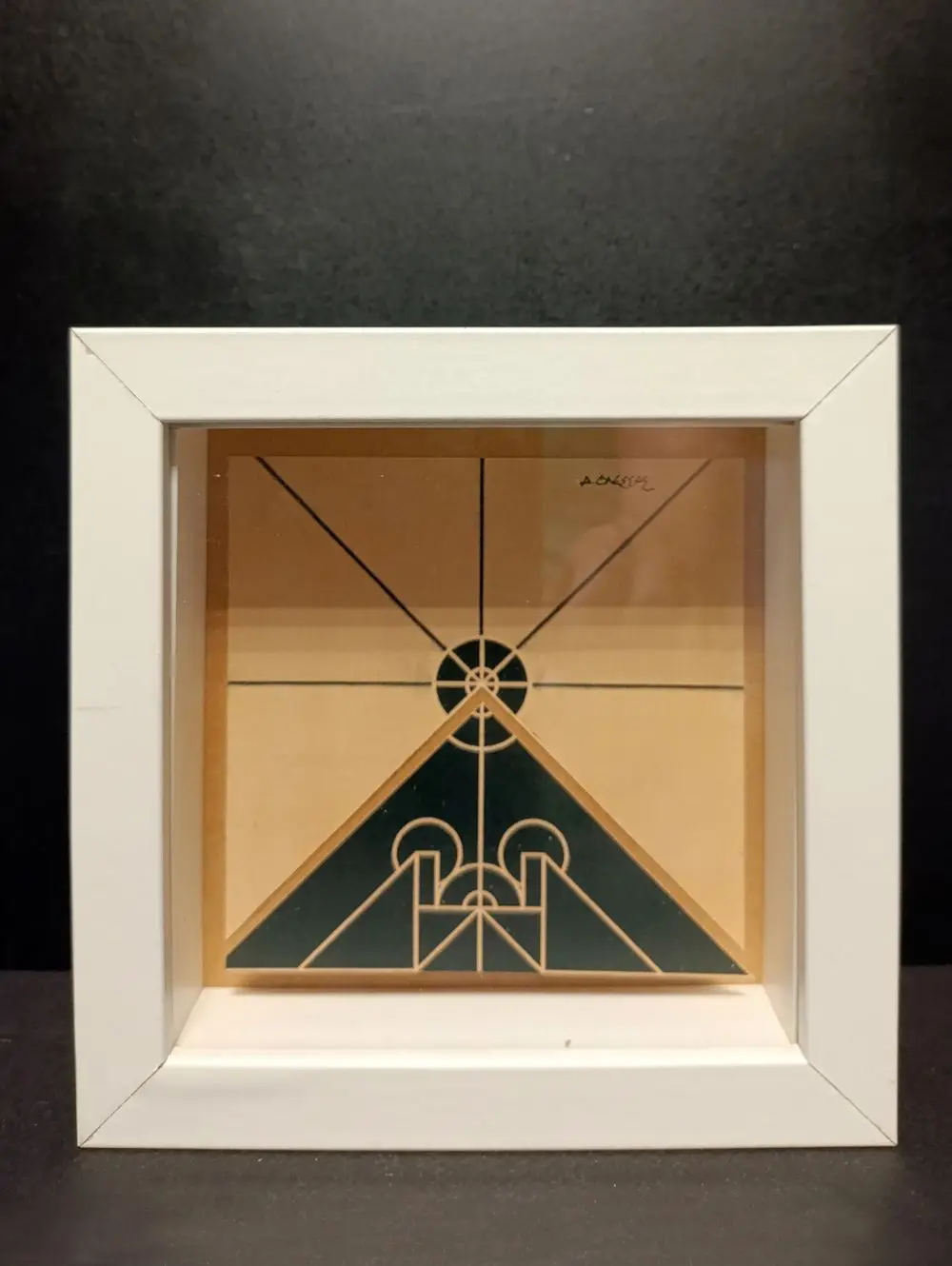
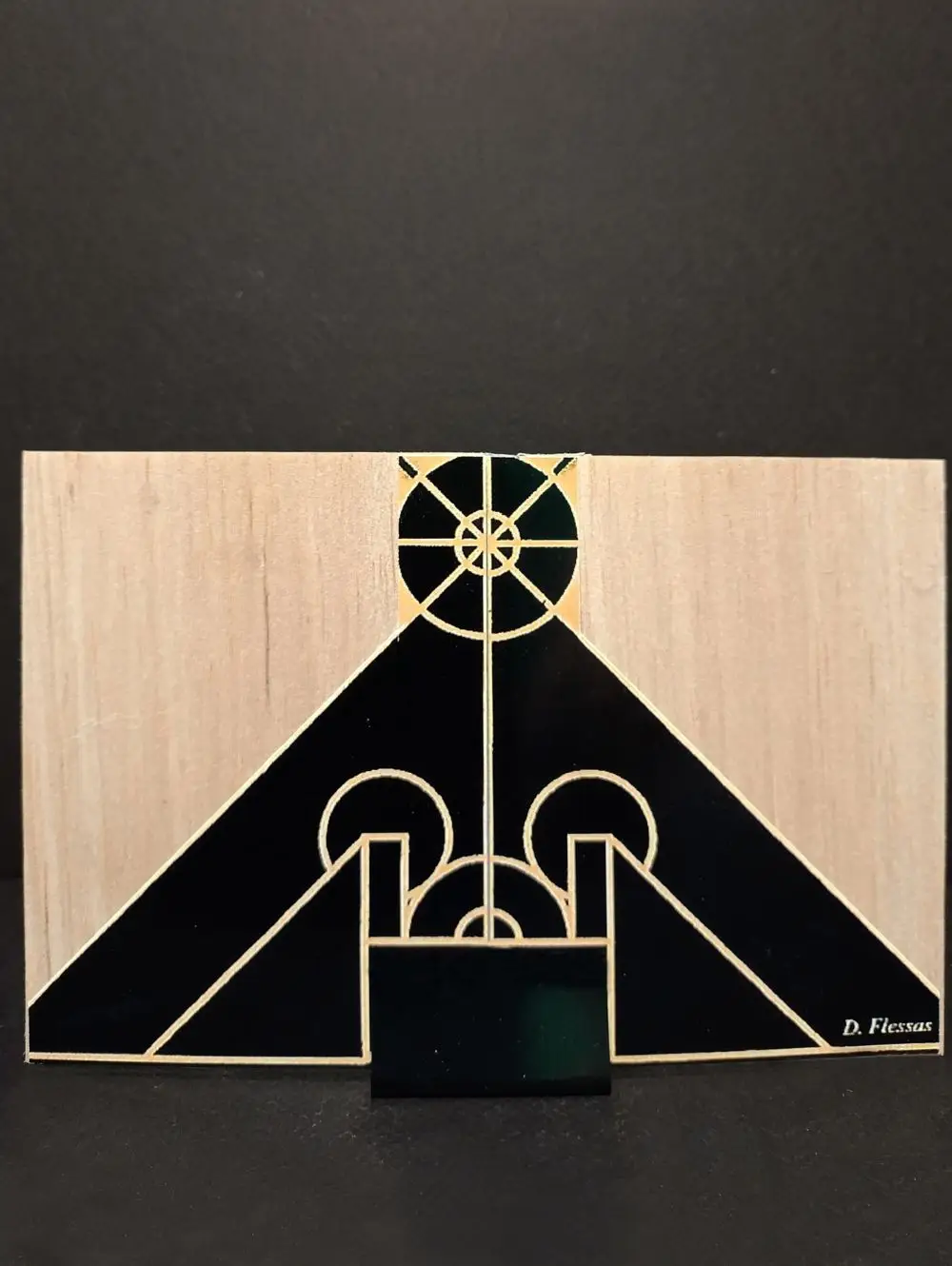
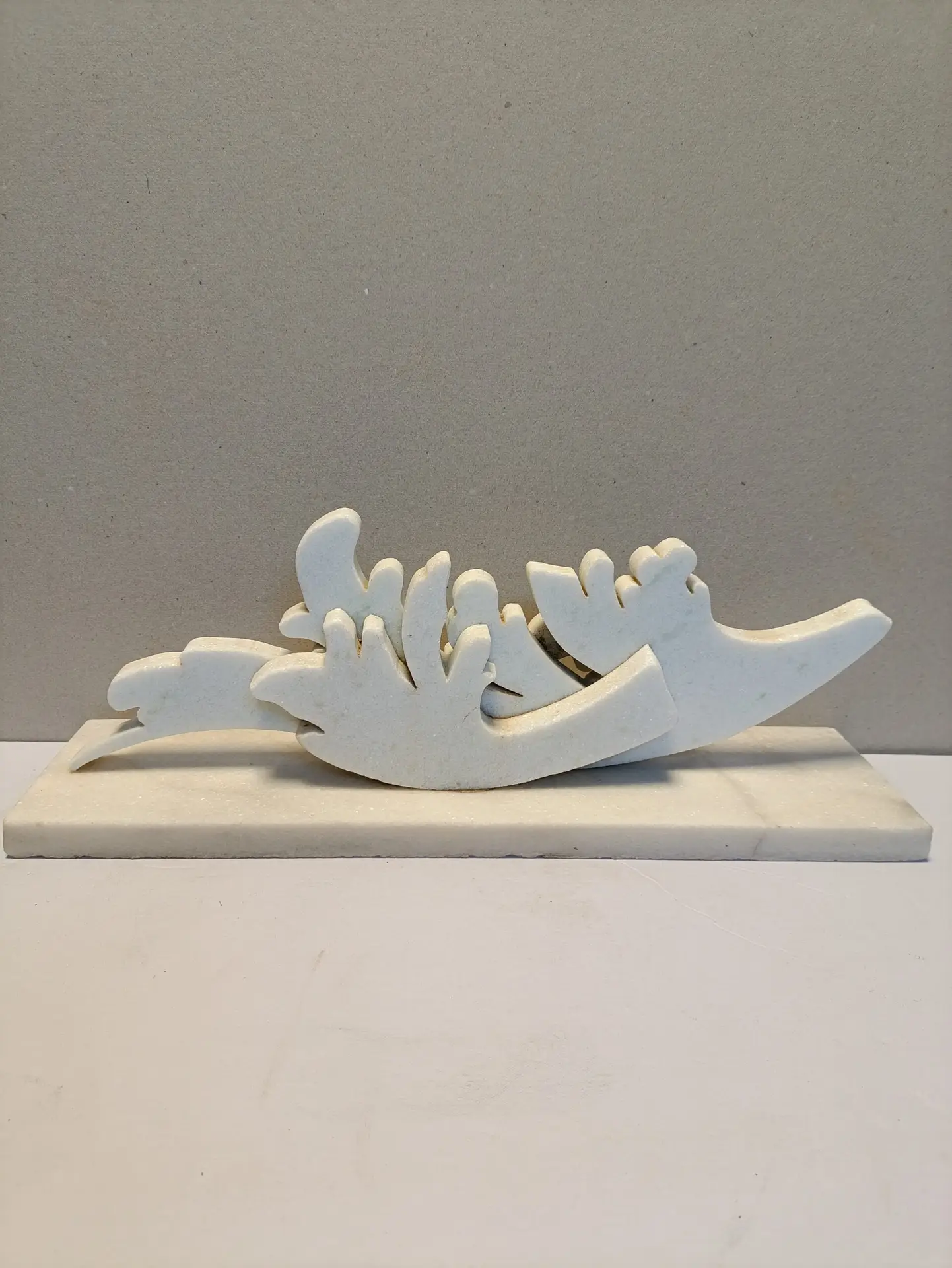
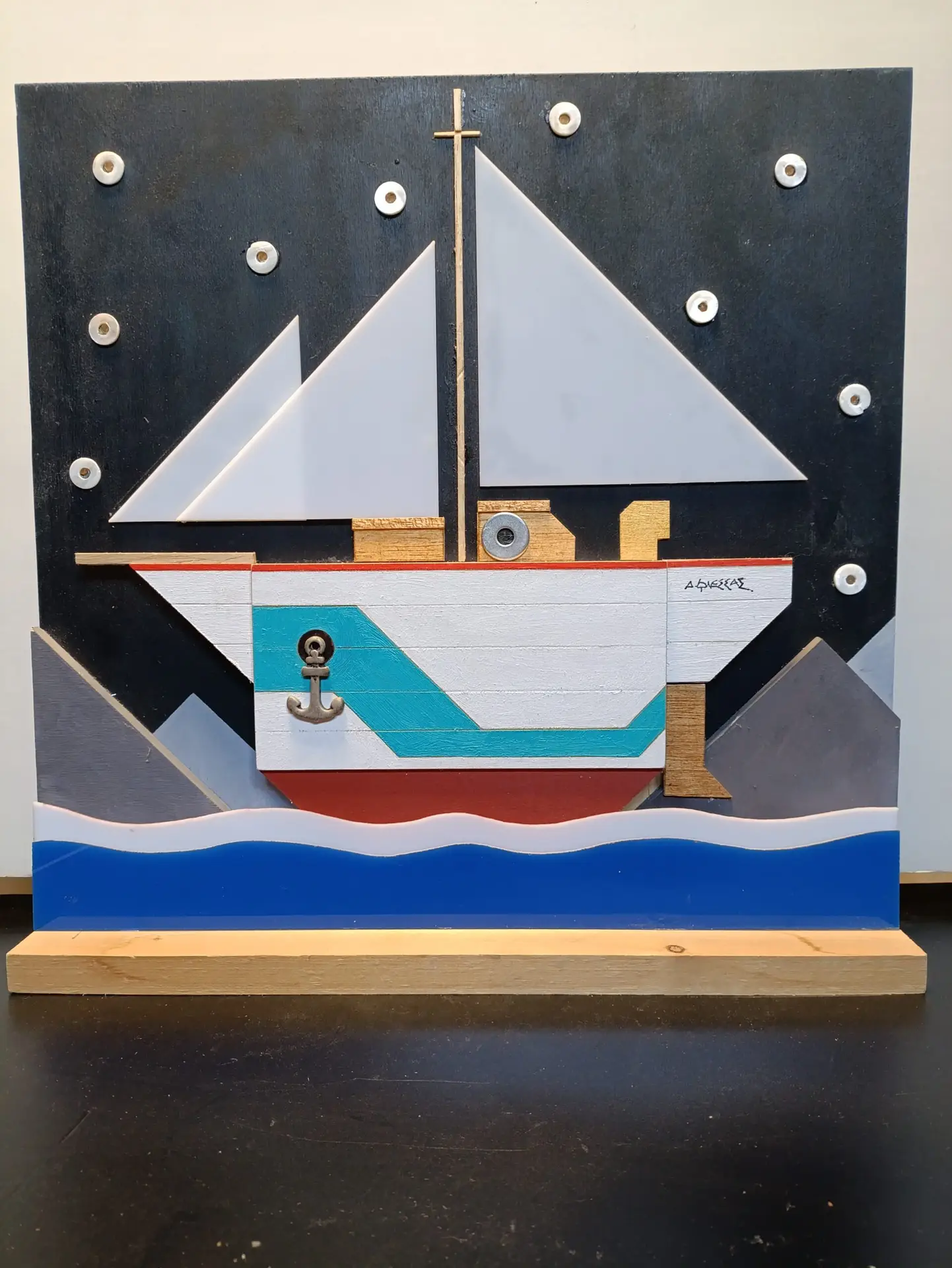
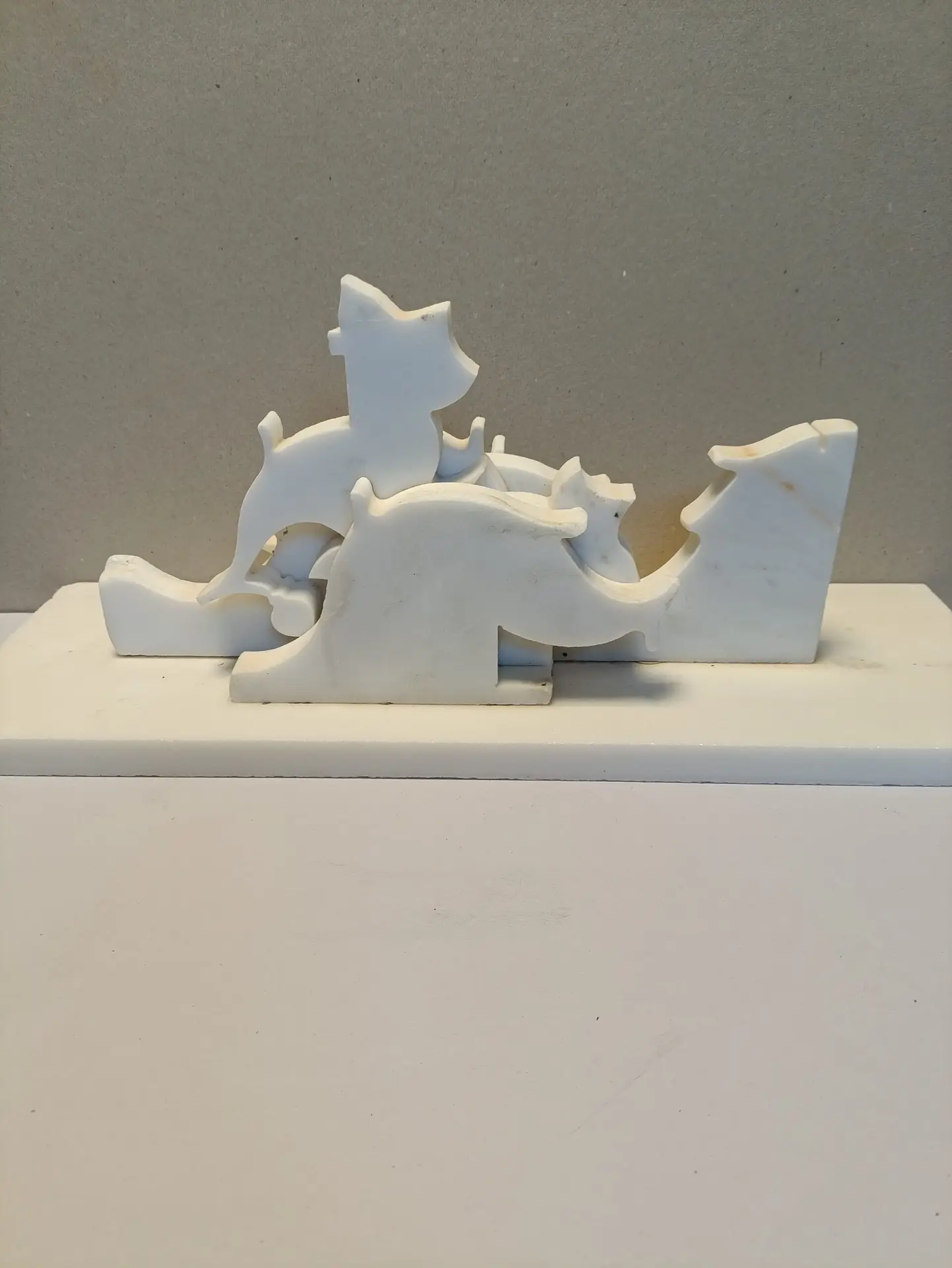
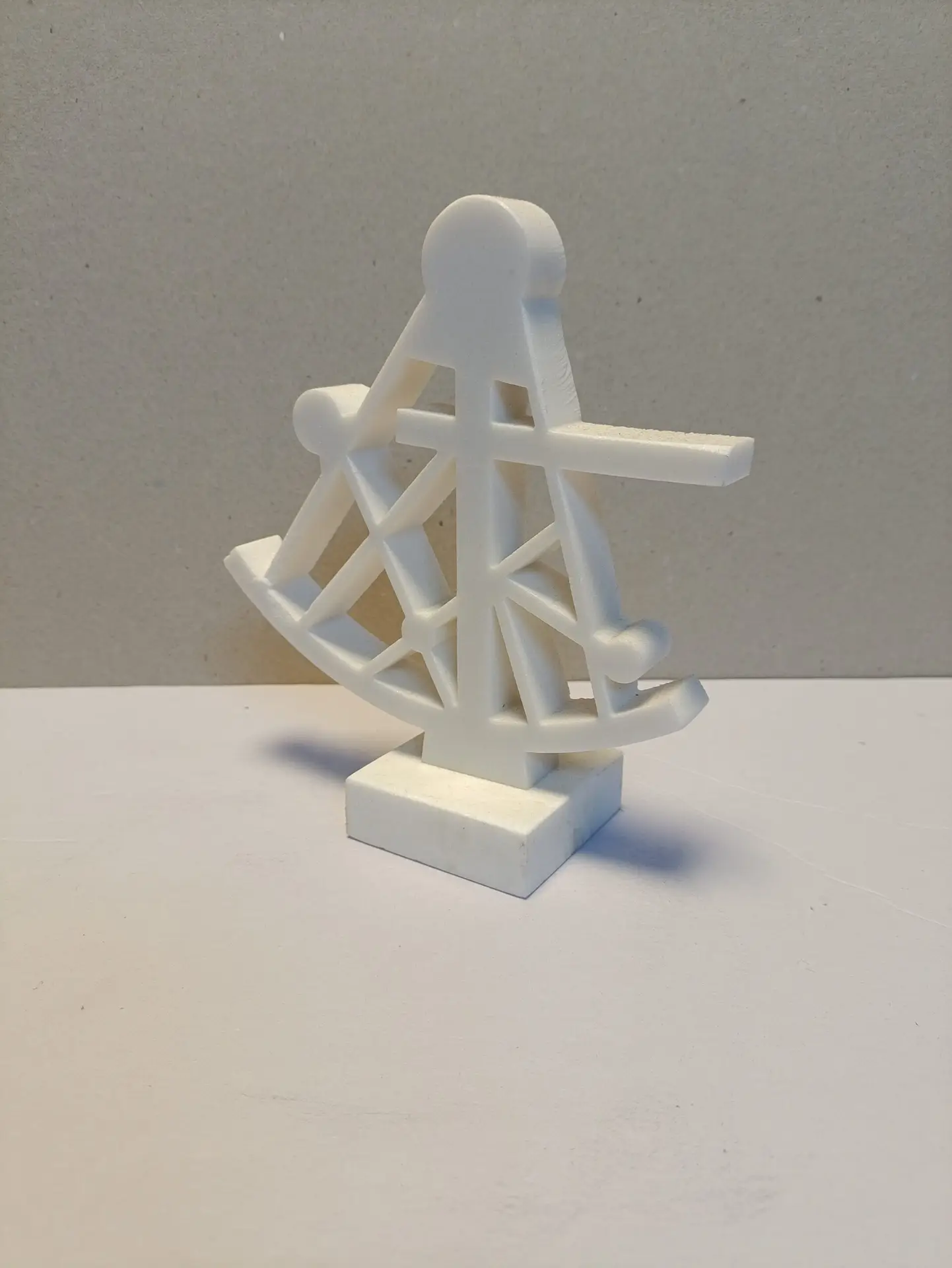
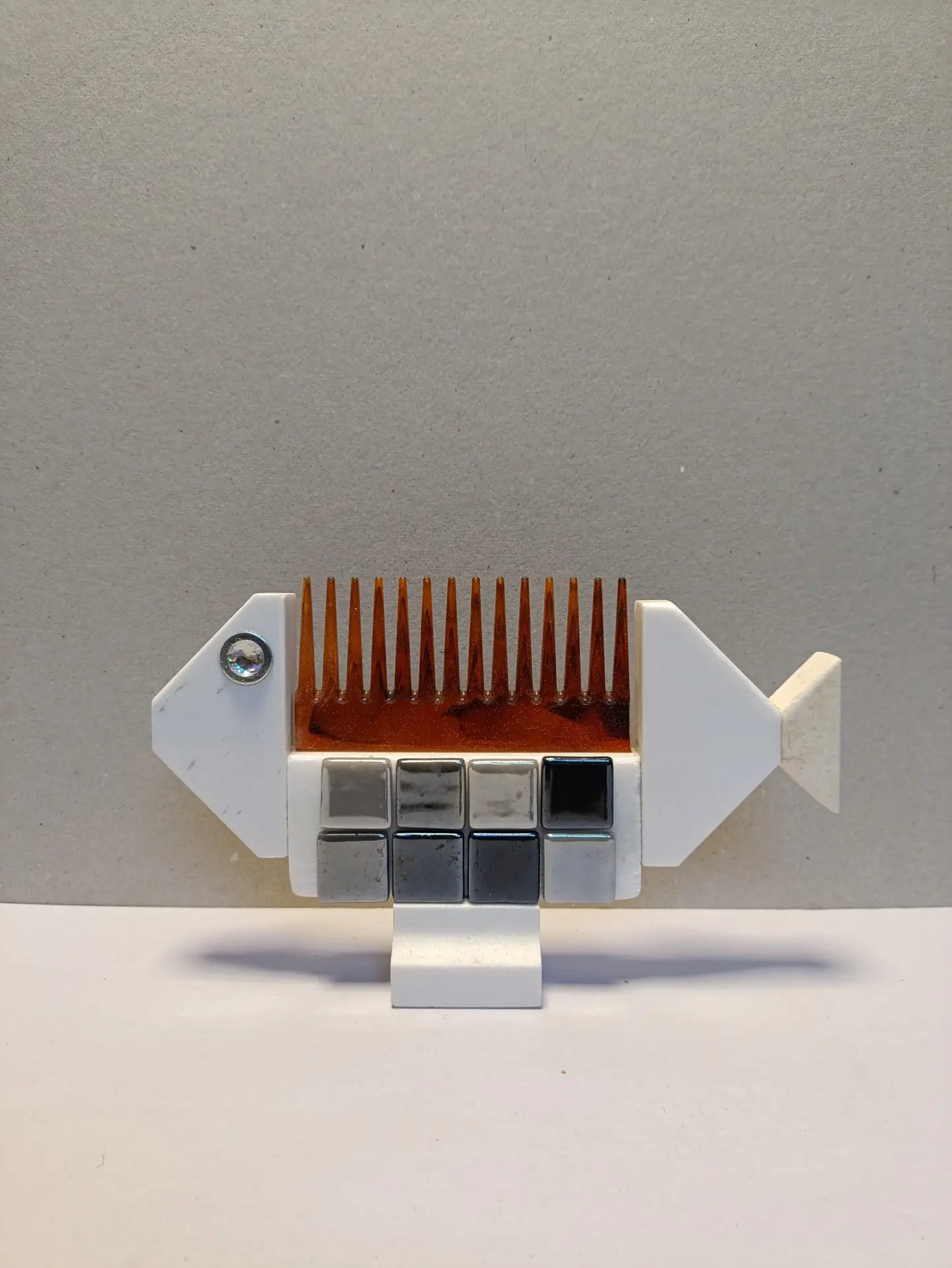
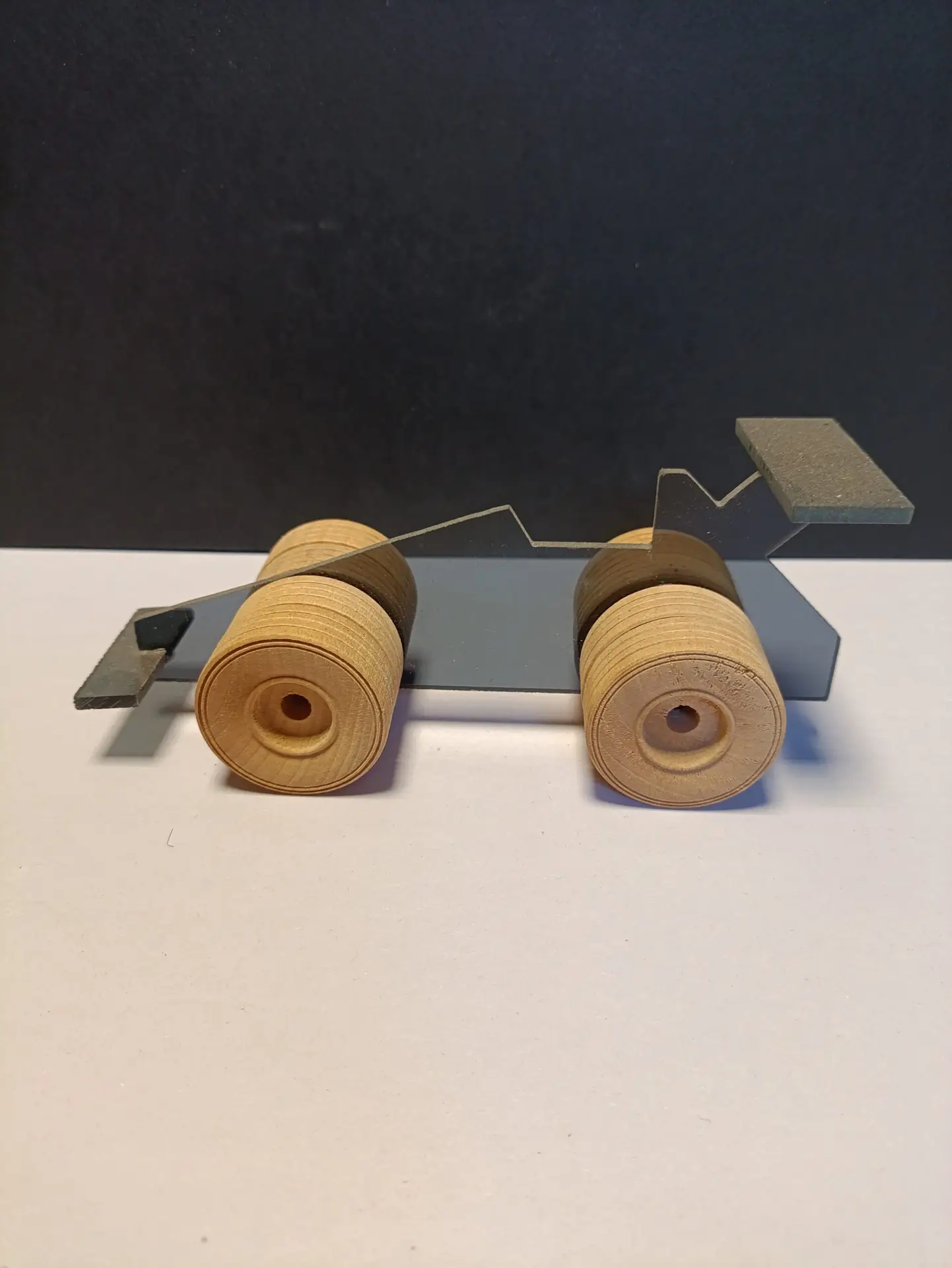
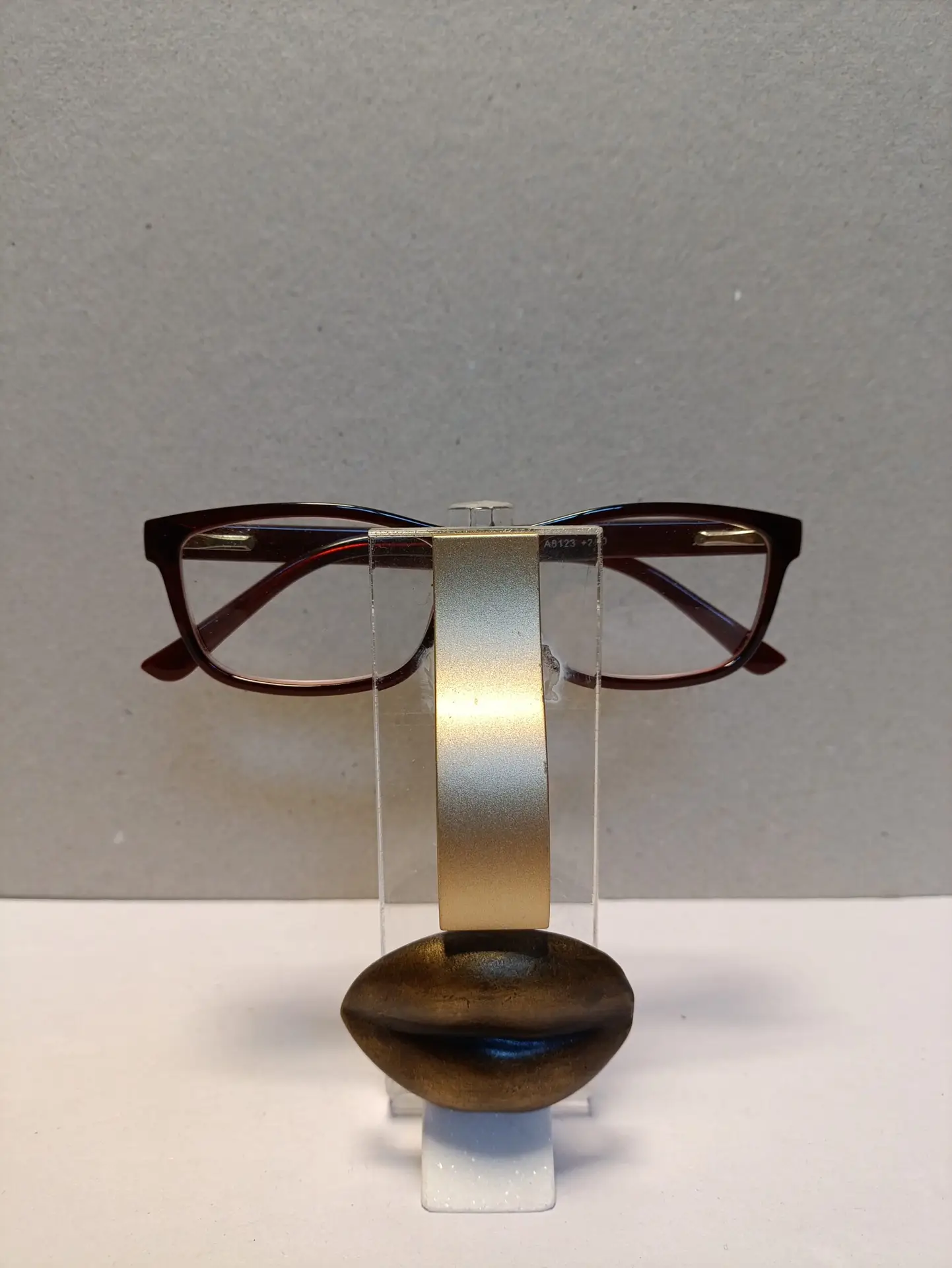
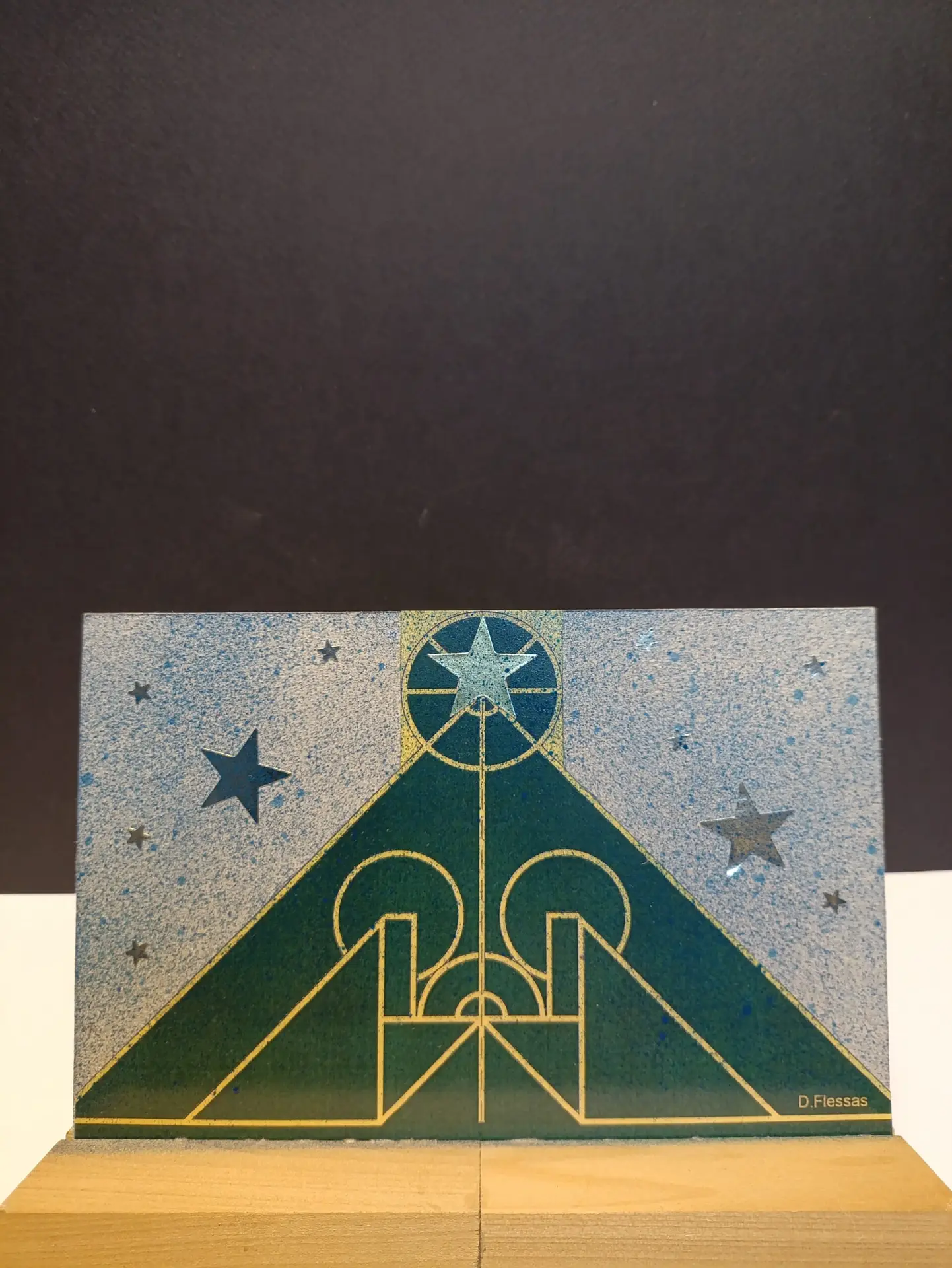
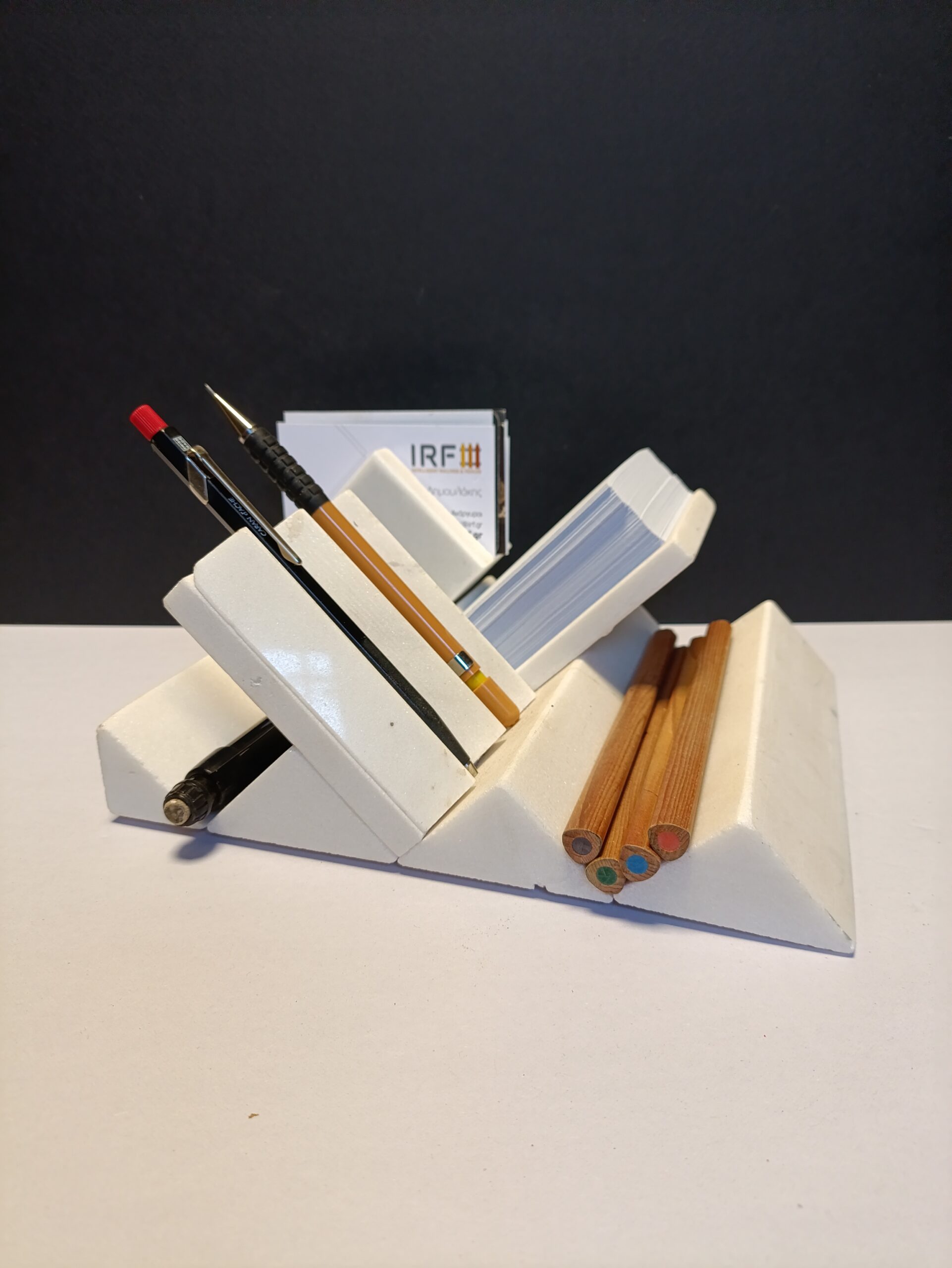
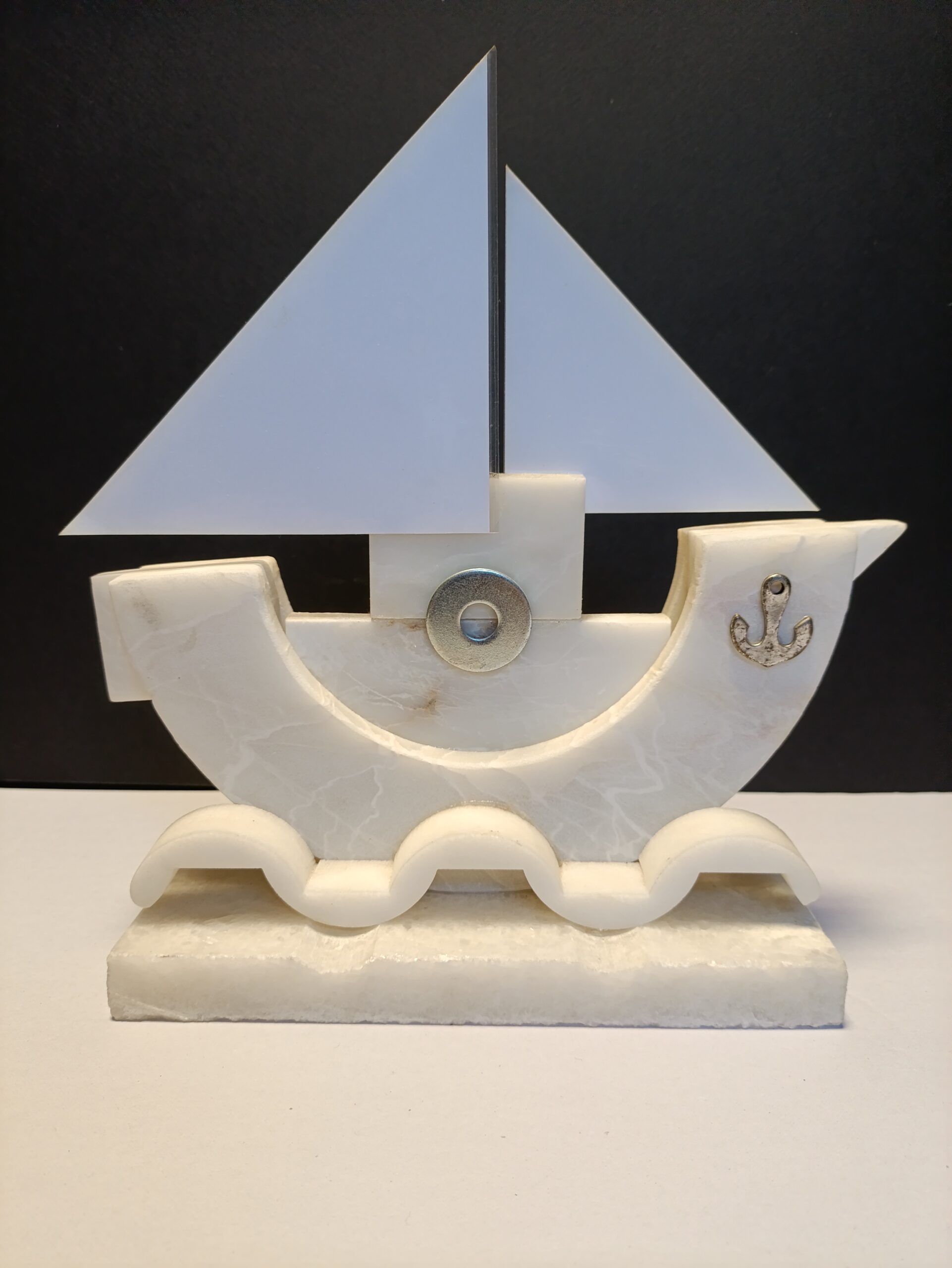
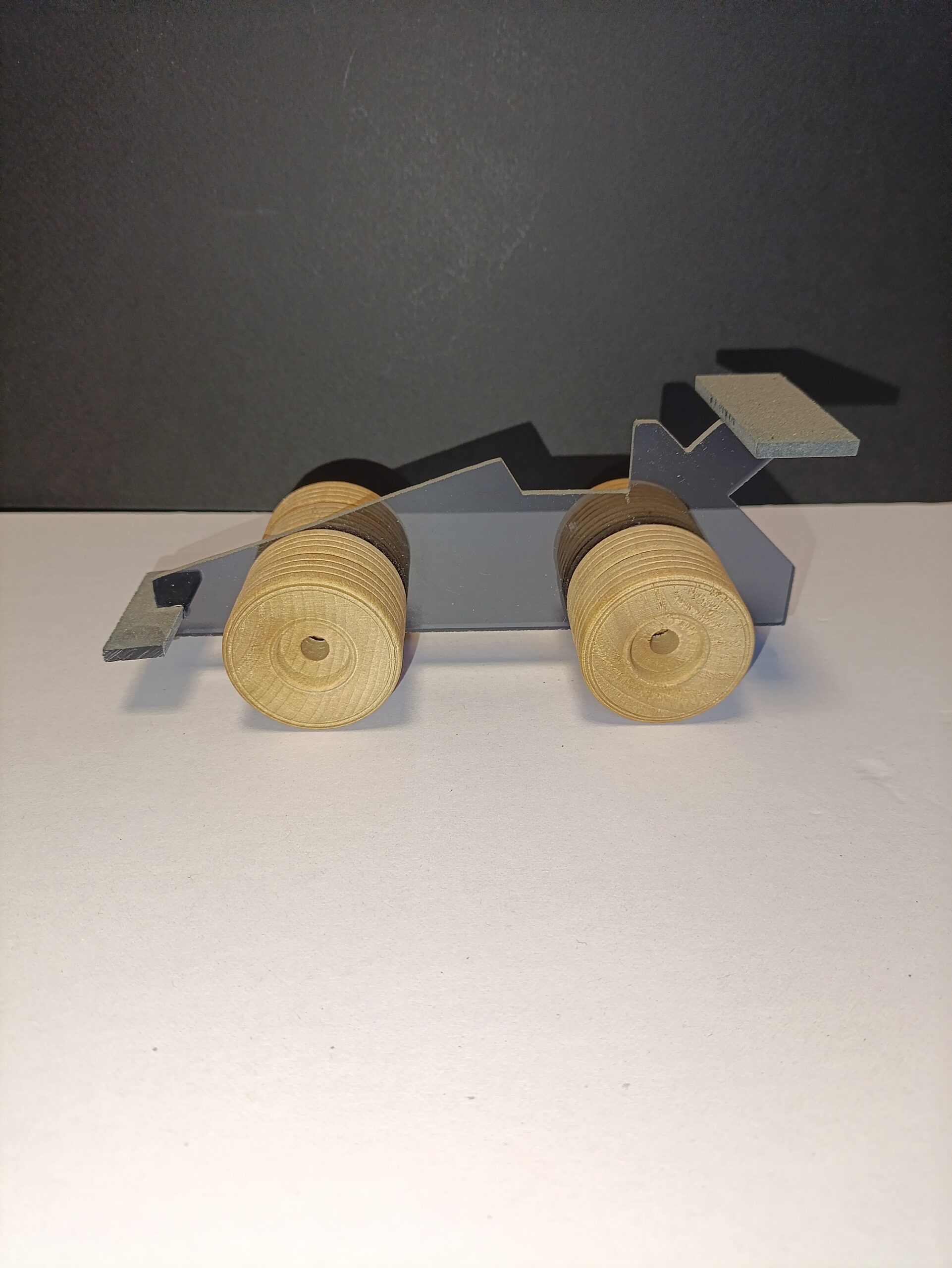
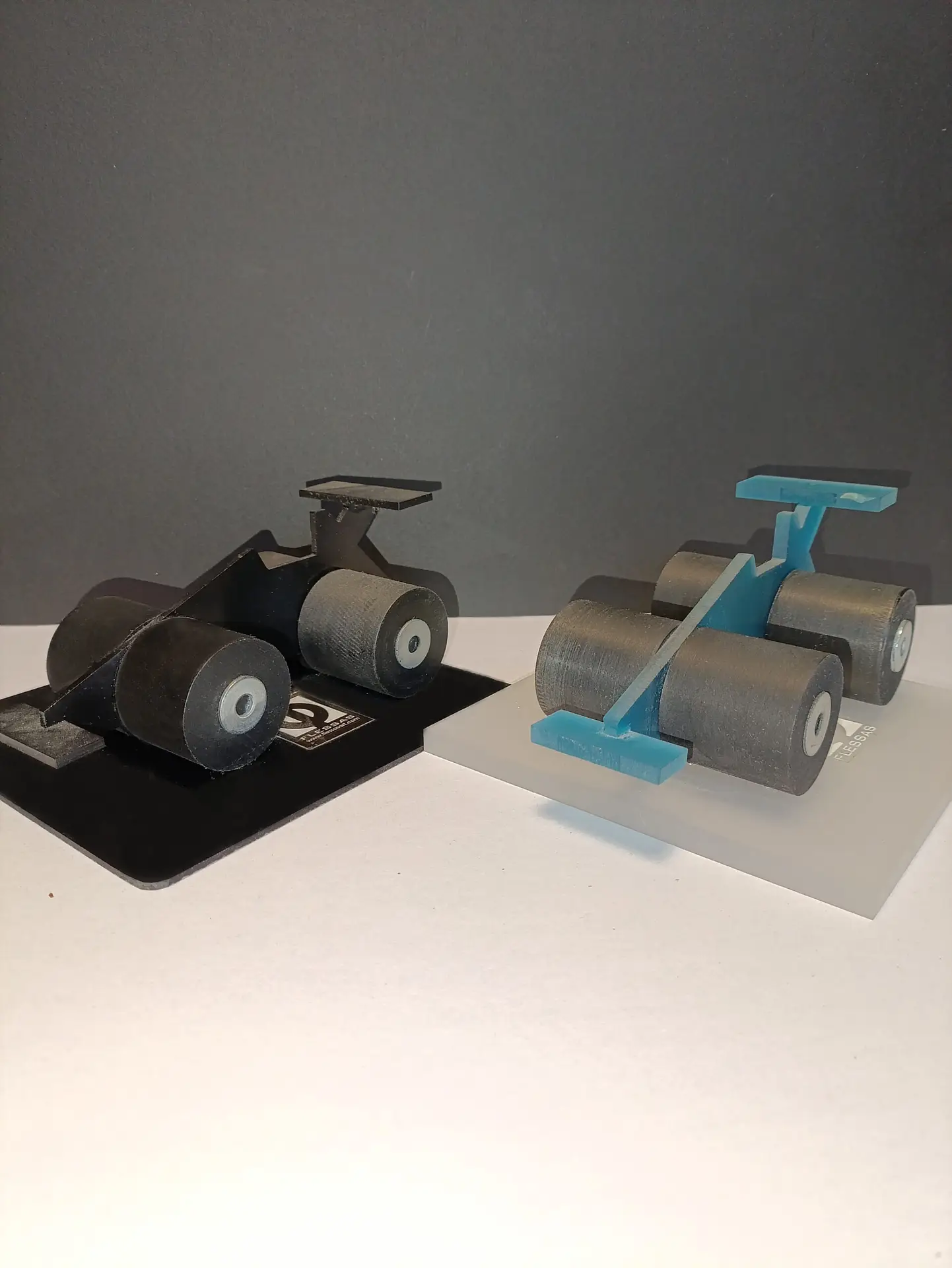
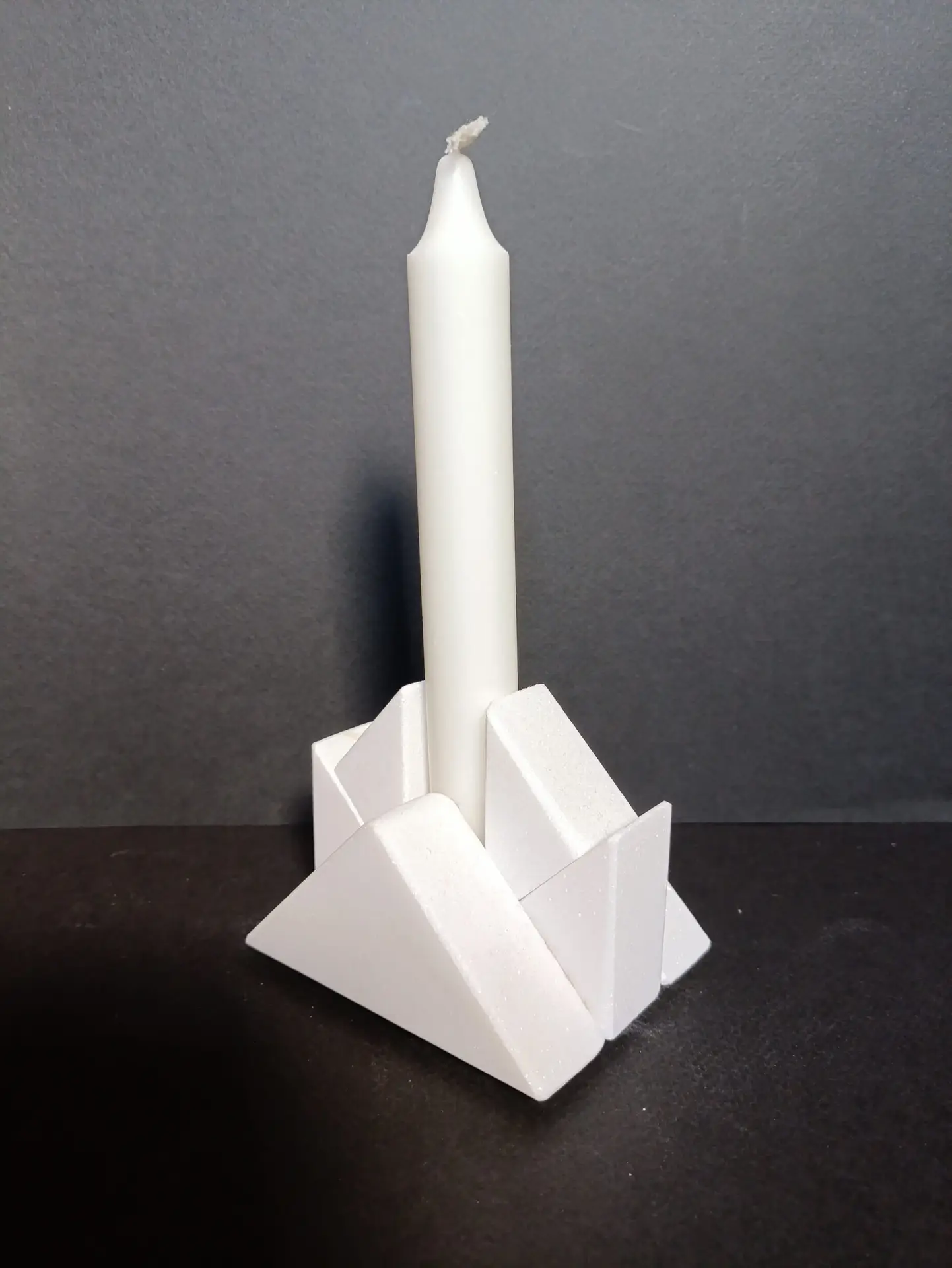
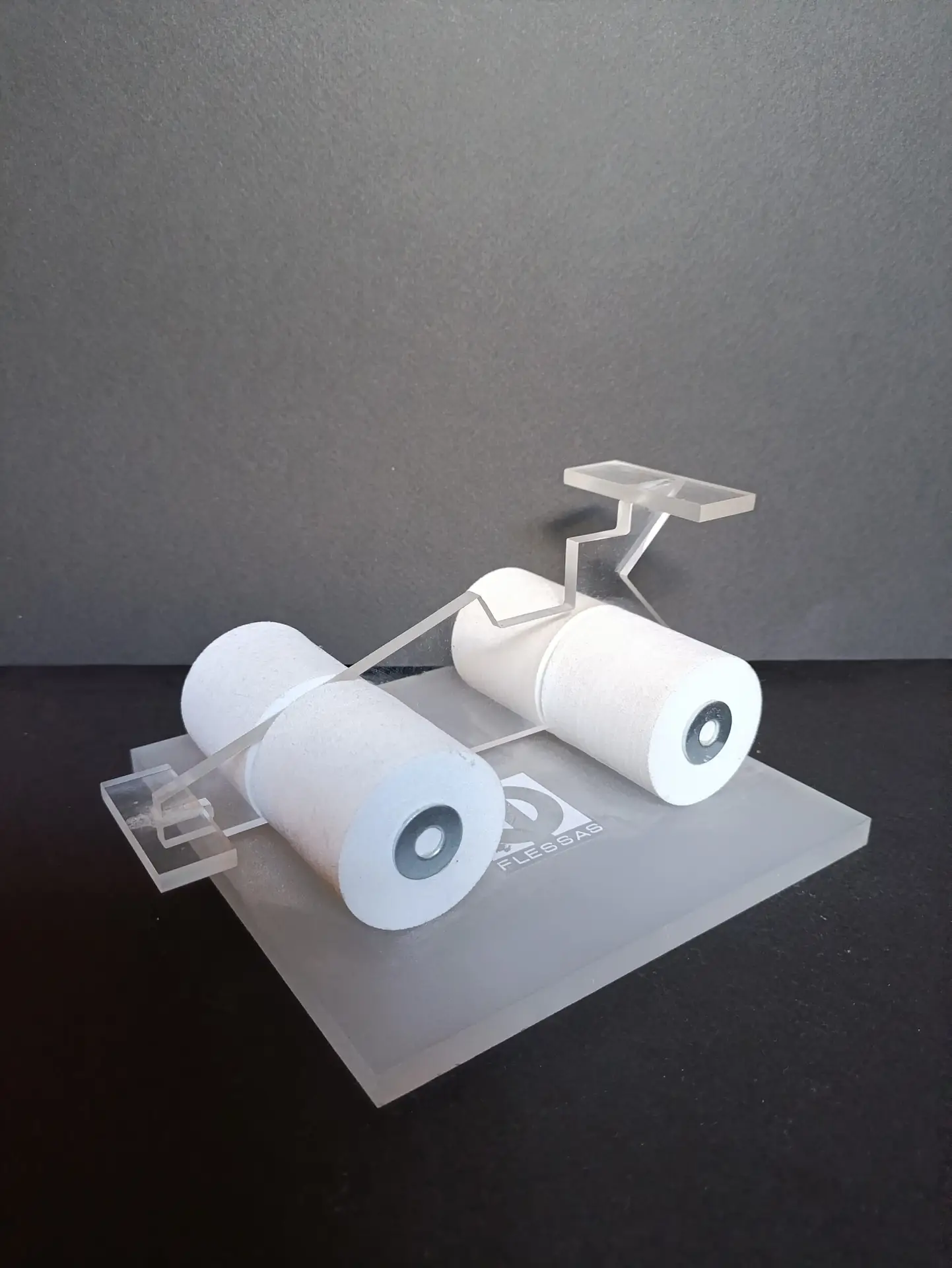
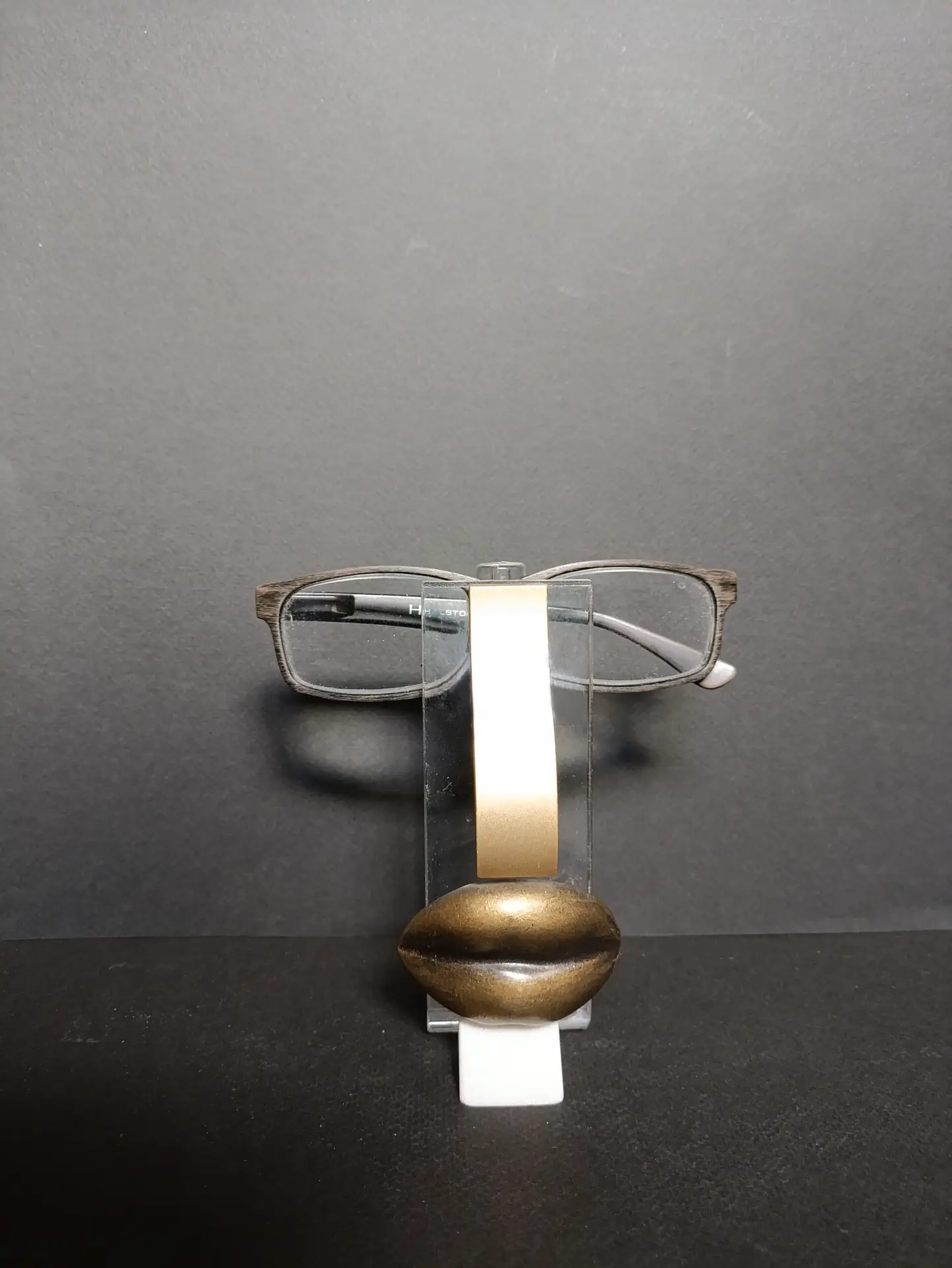
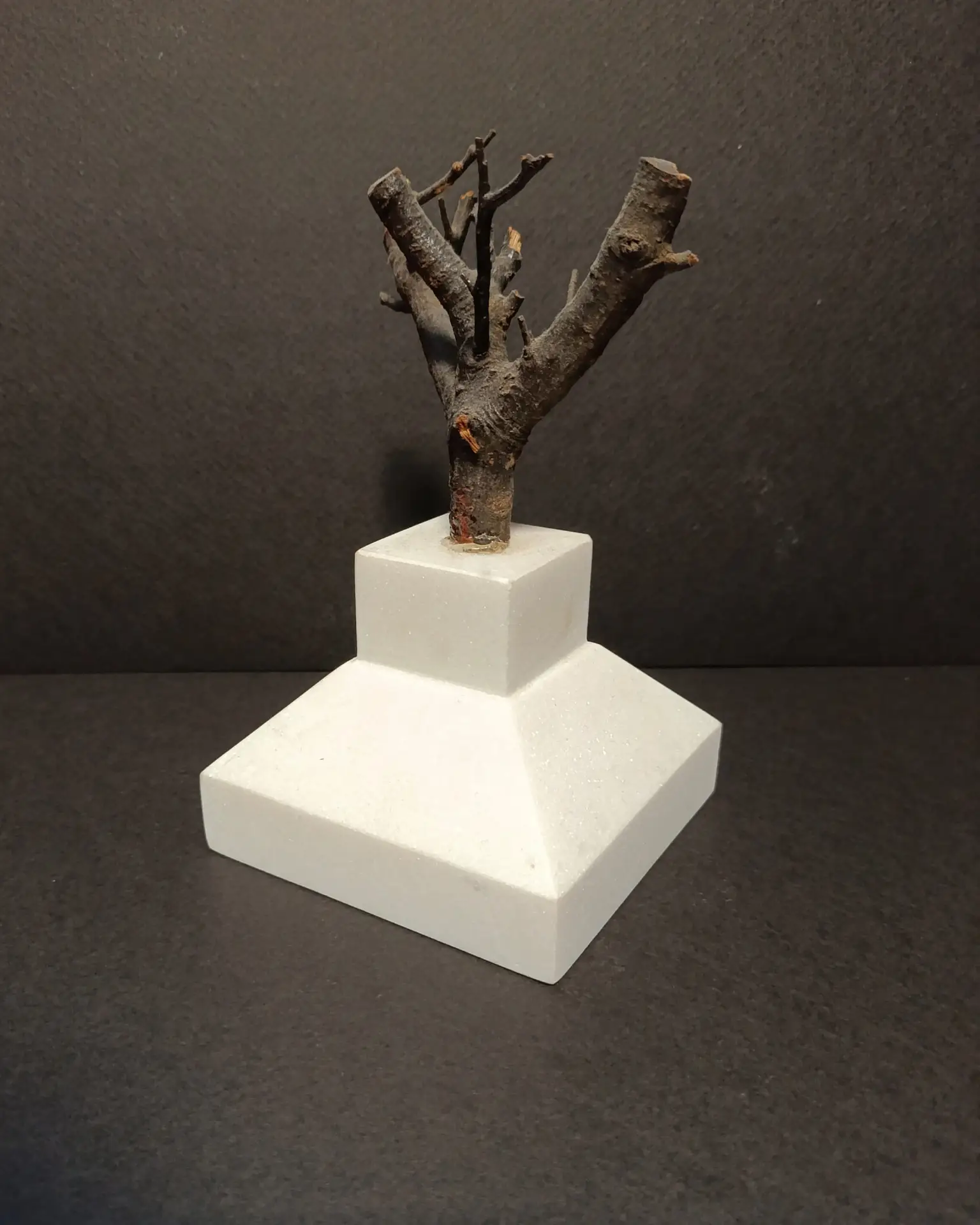
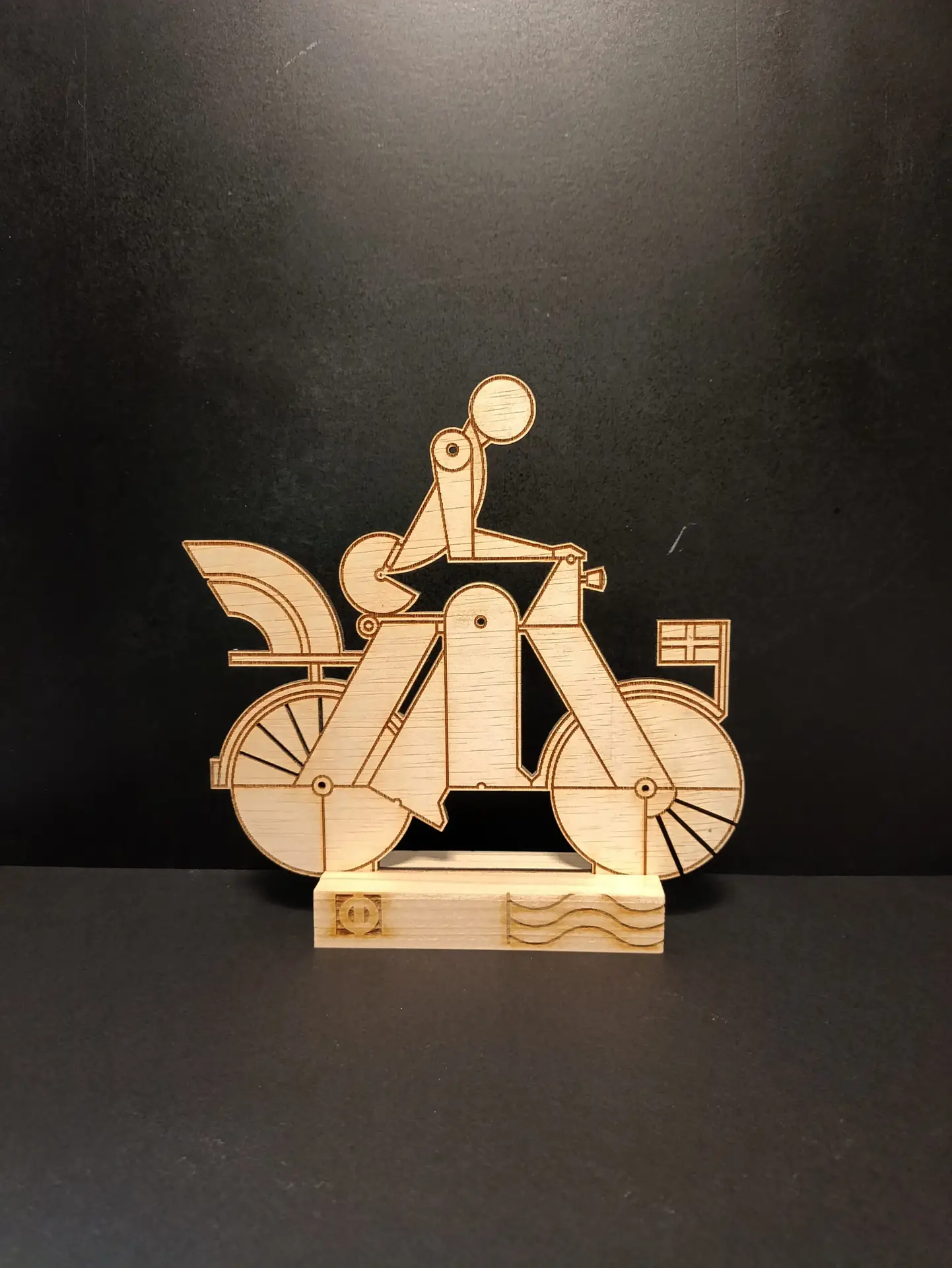
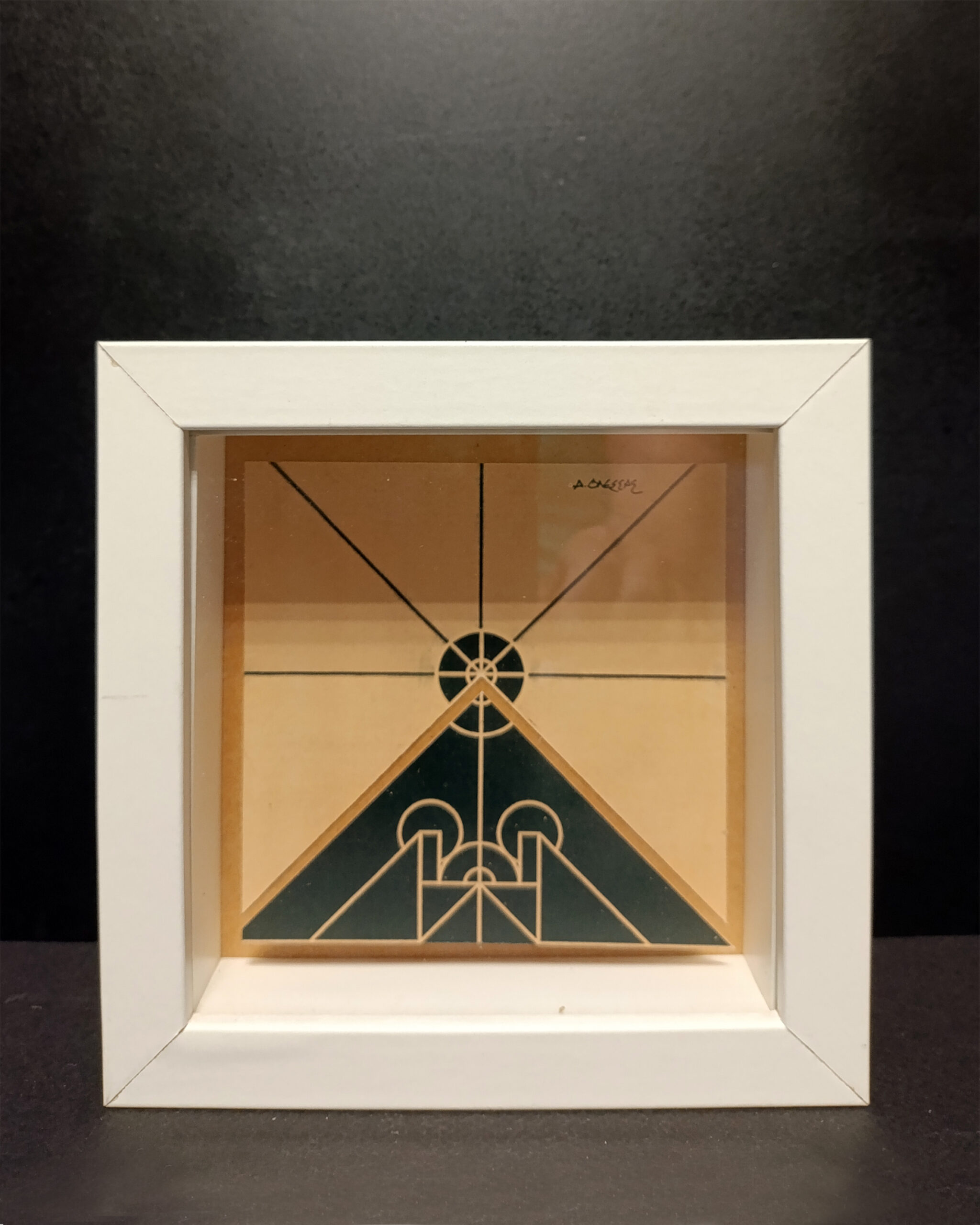
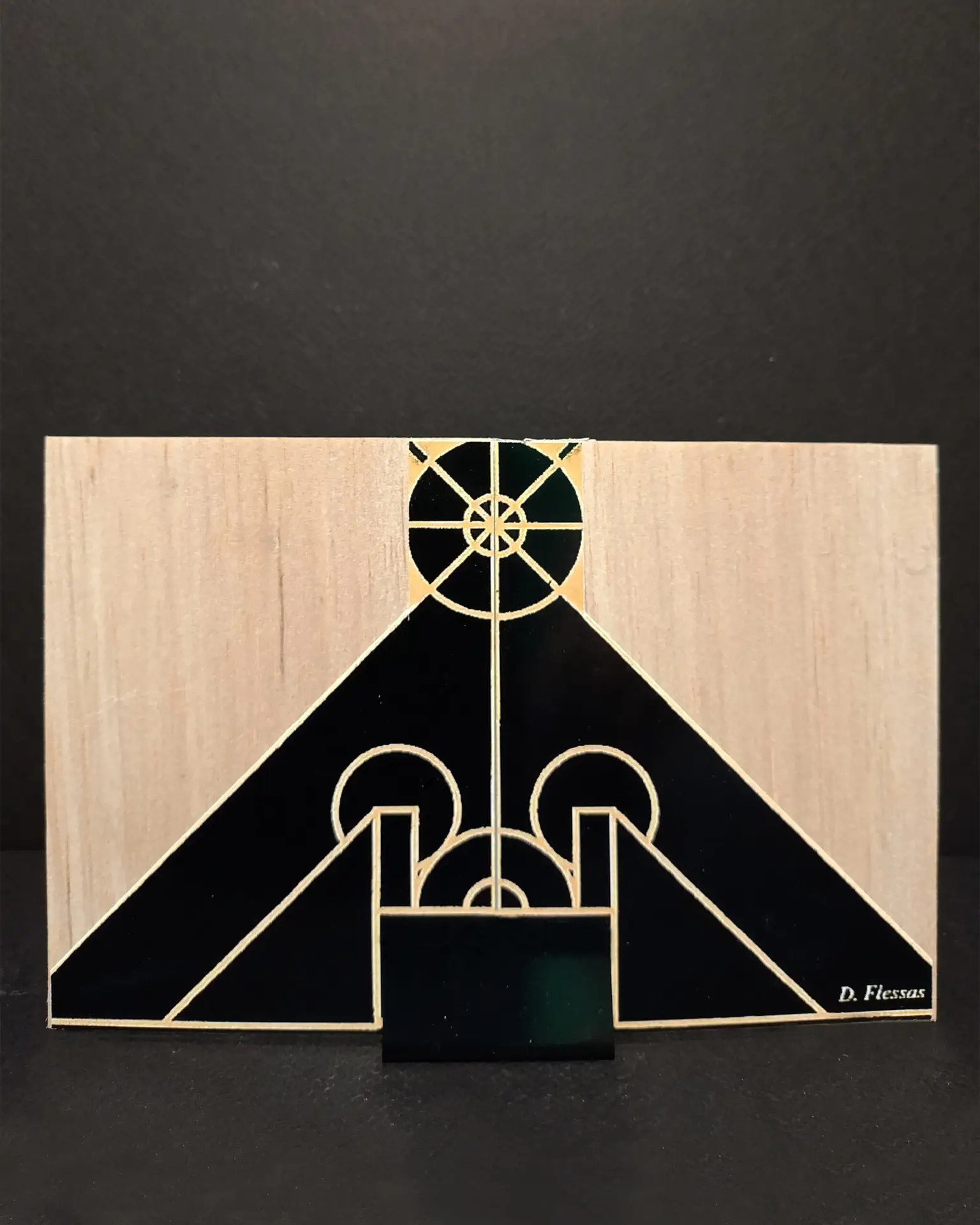
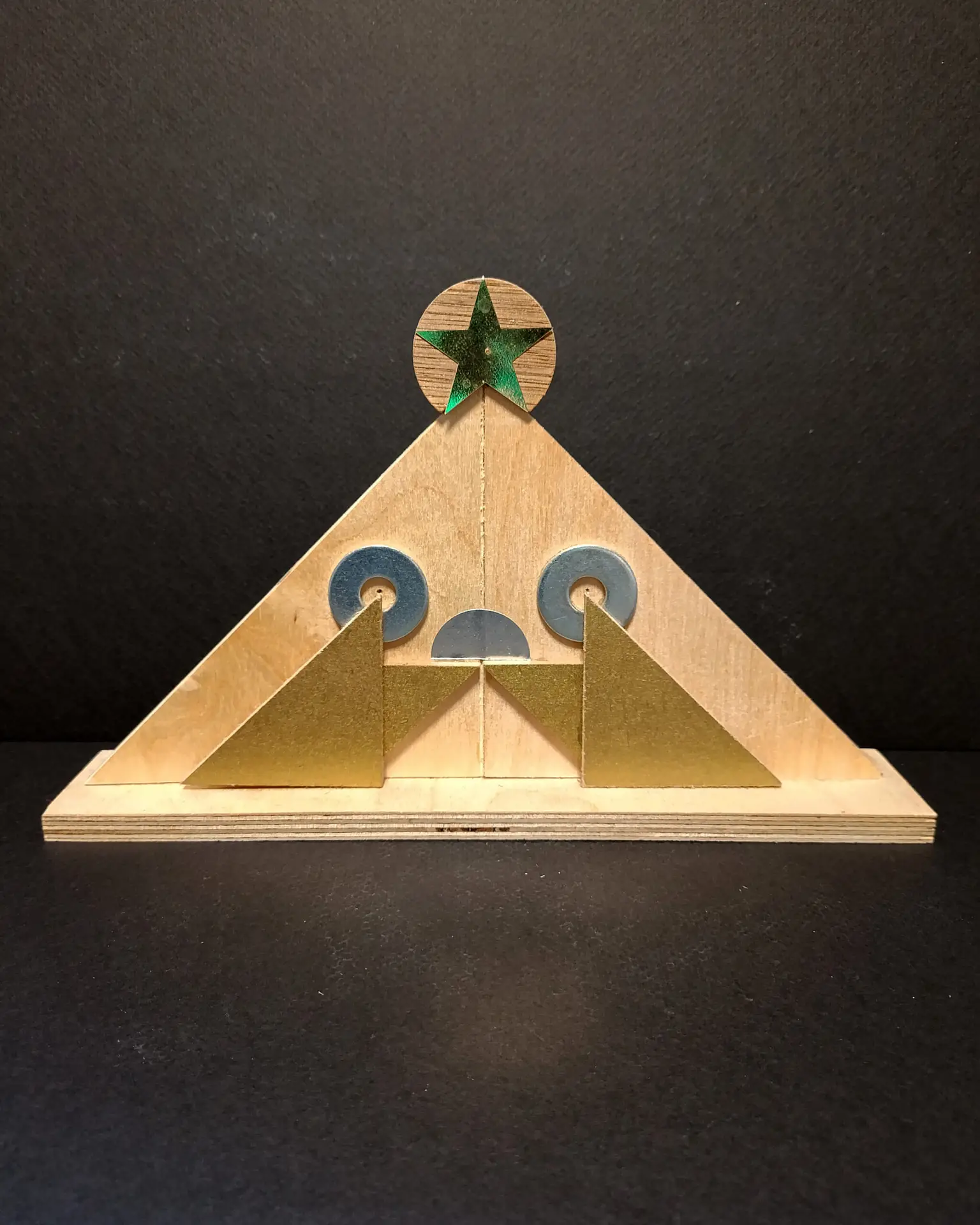
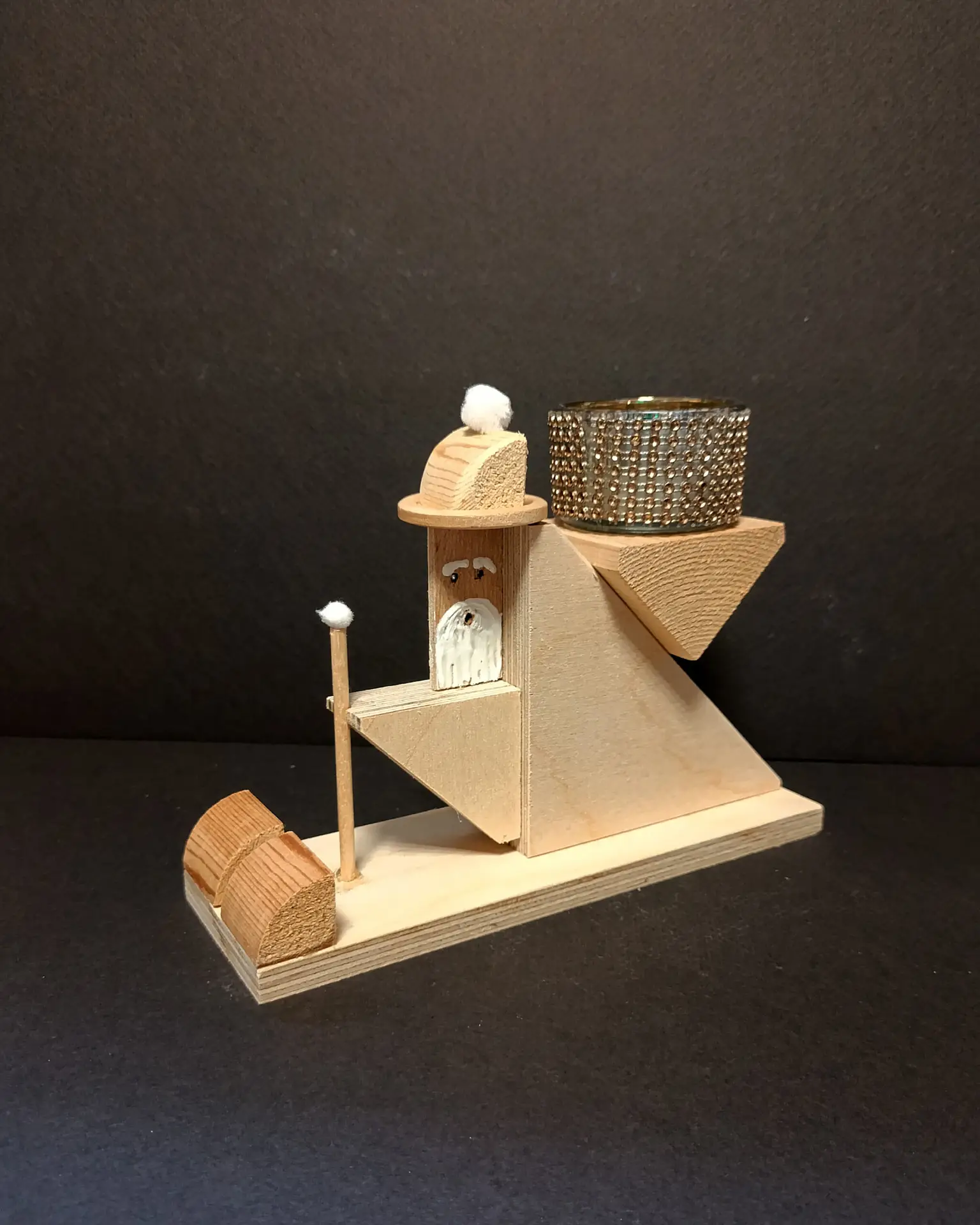
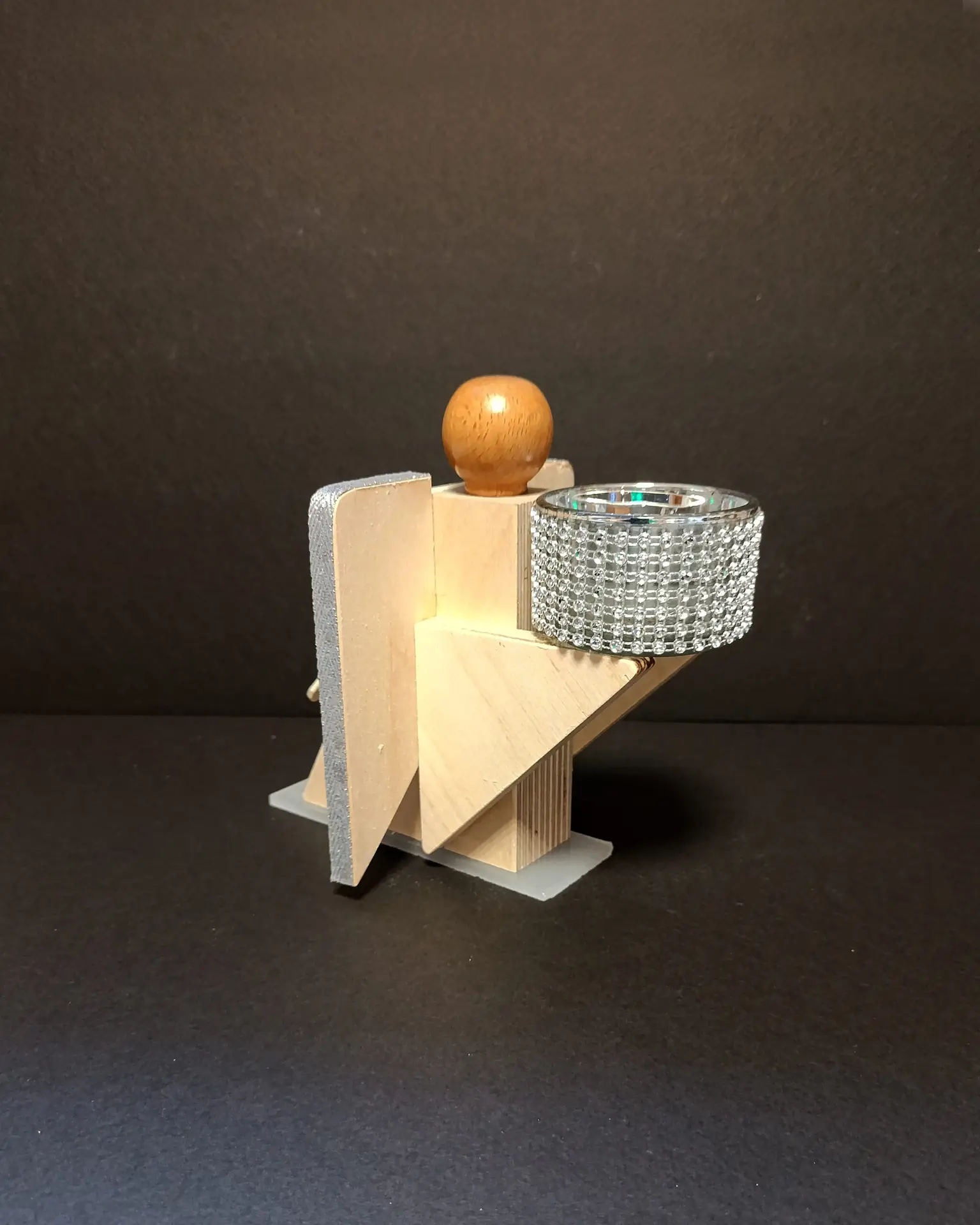
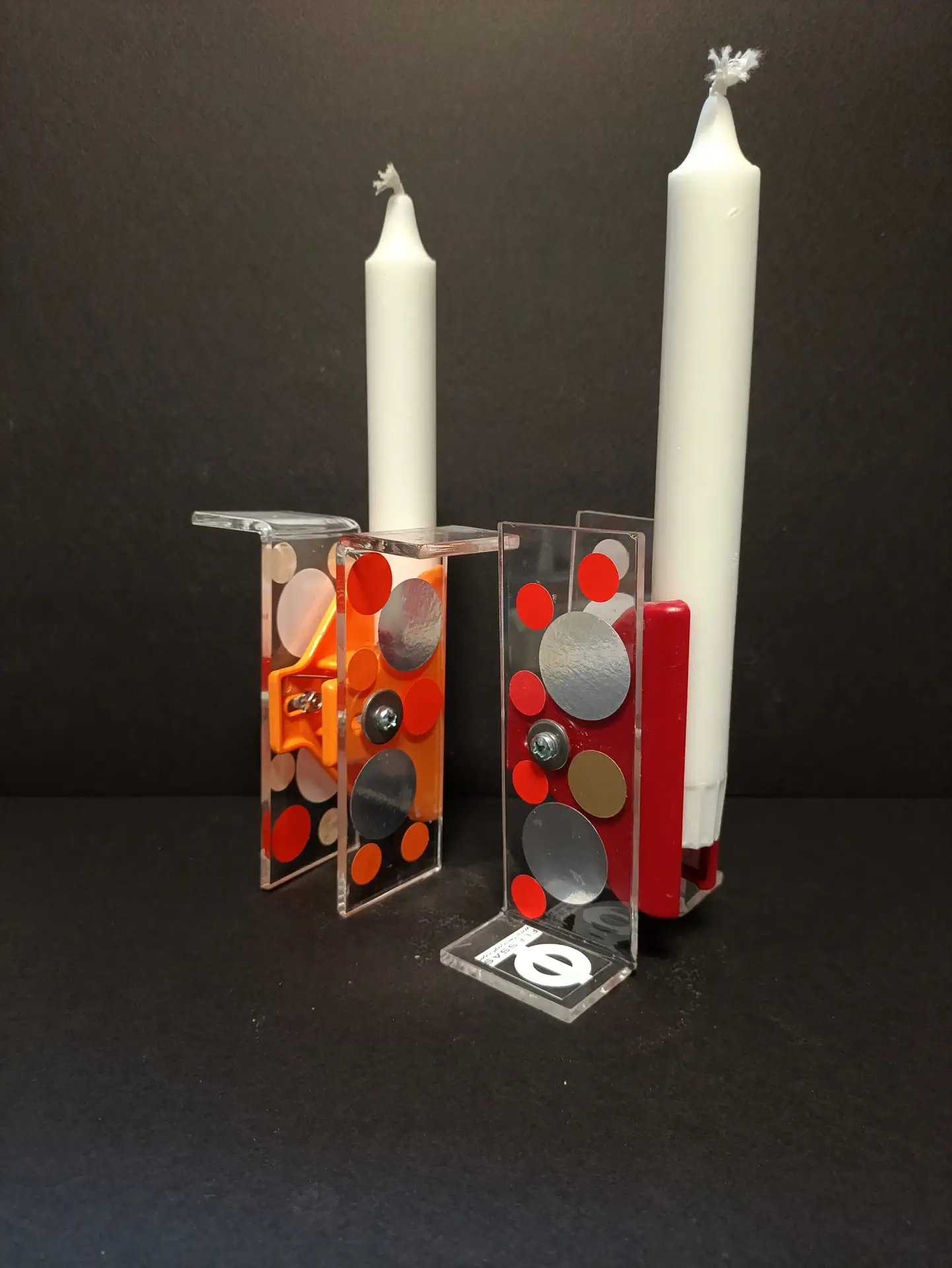
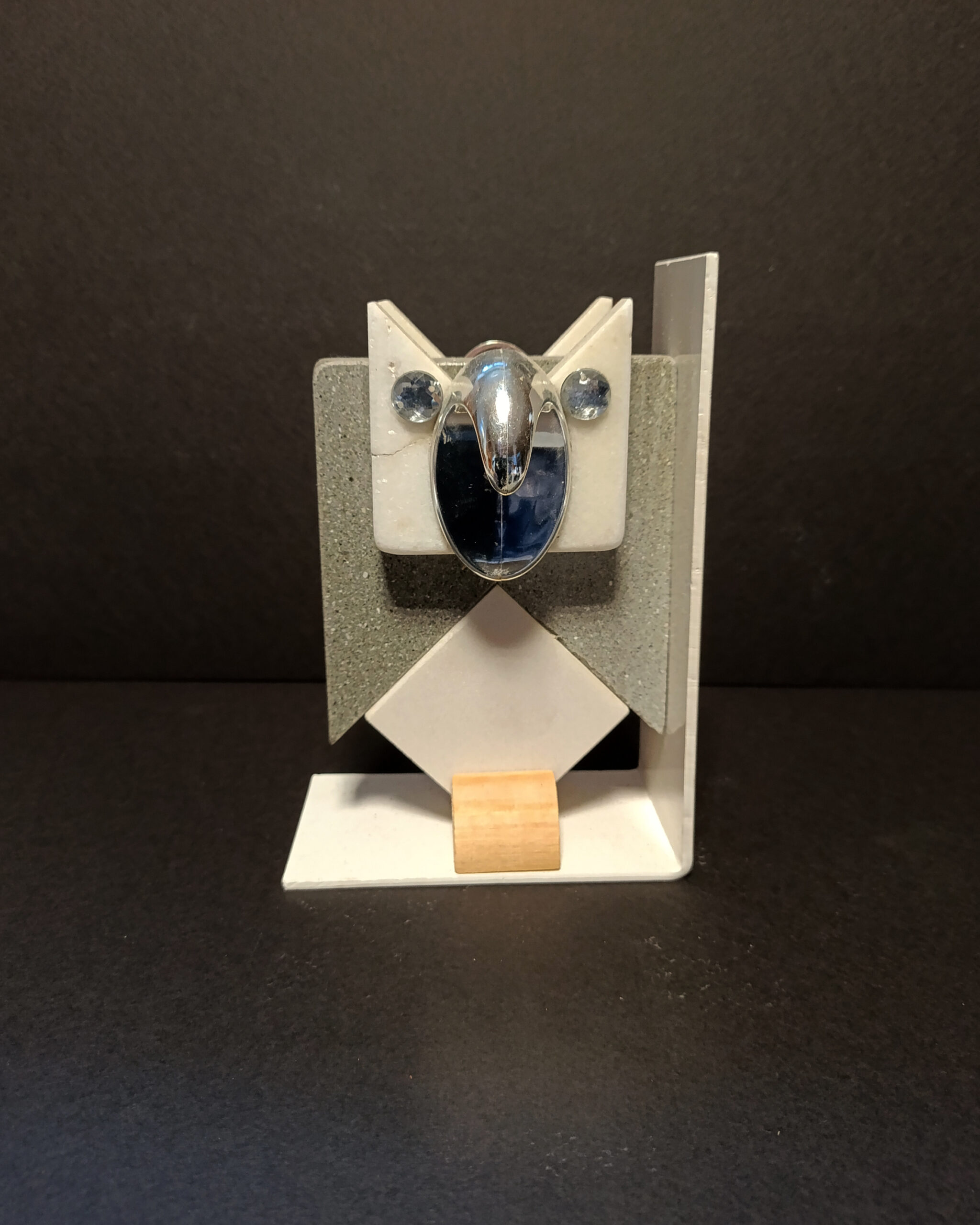
Industrial design products concern objects that serve humans to meet mainly practical needs of life.
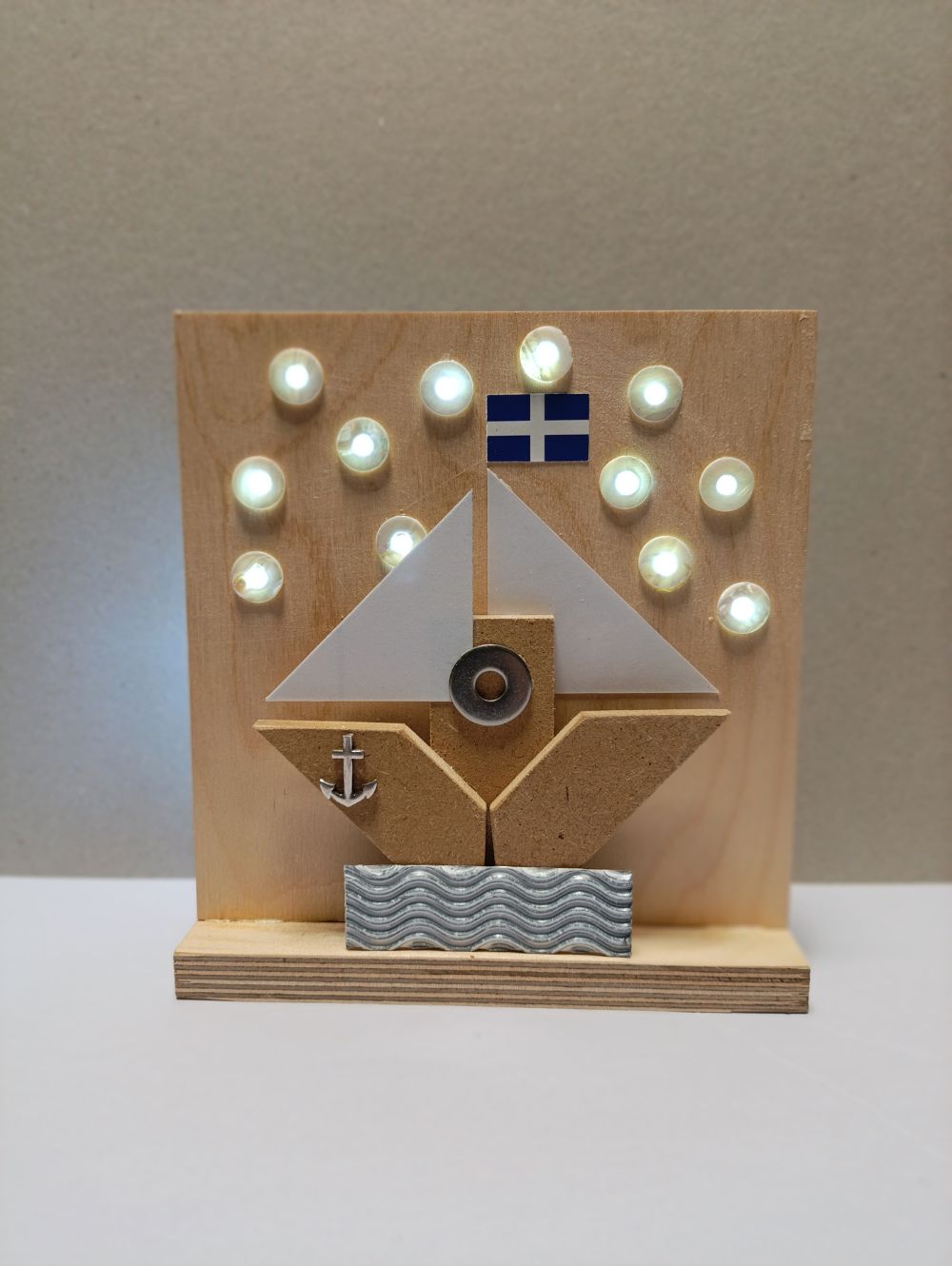
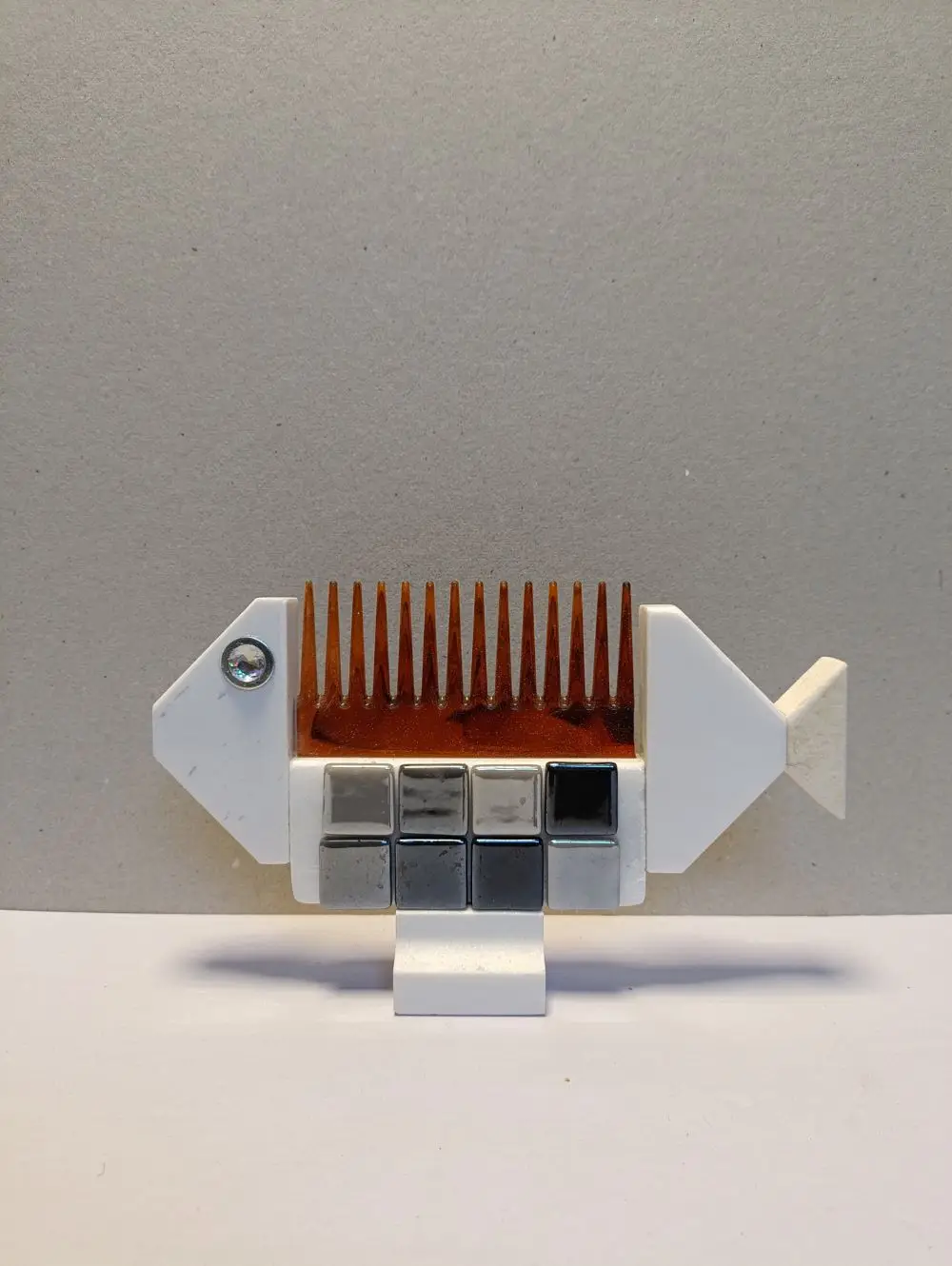
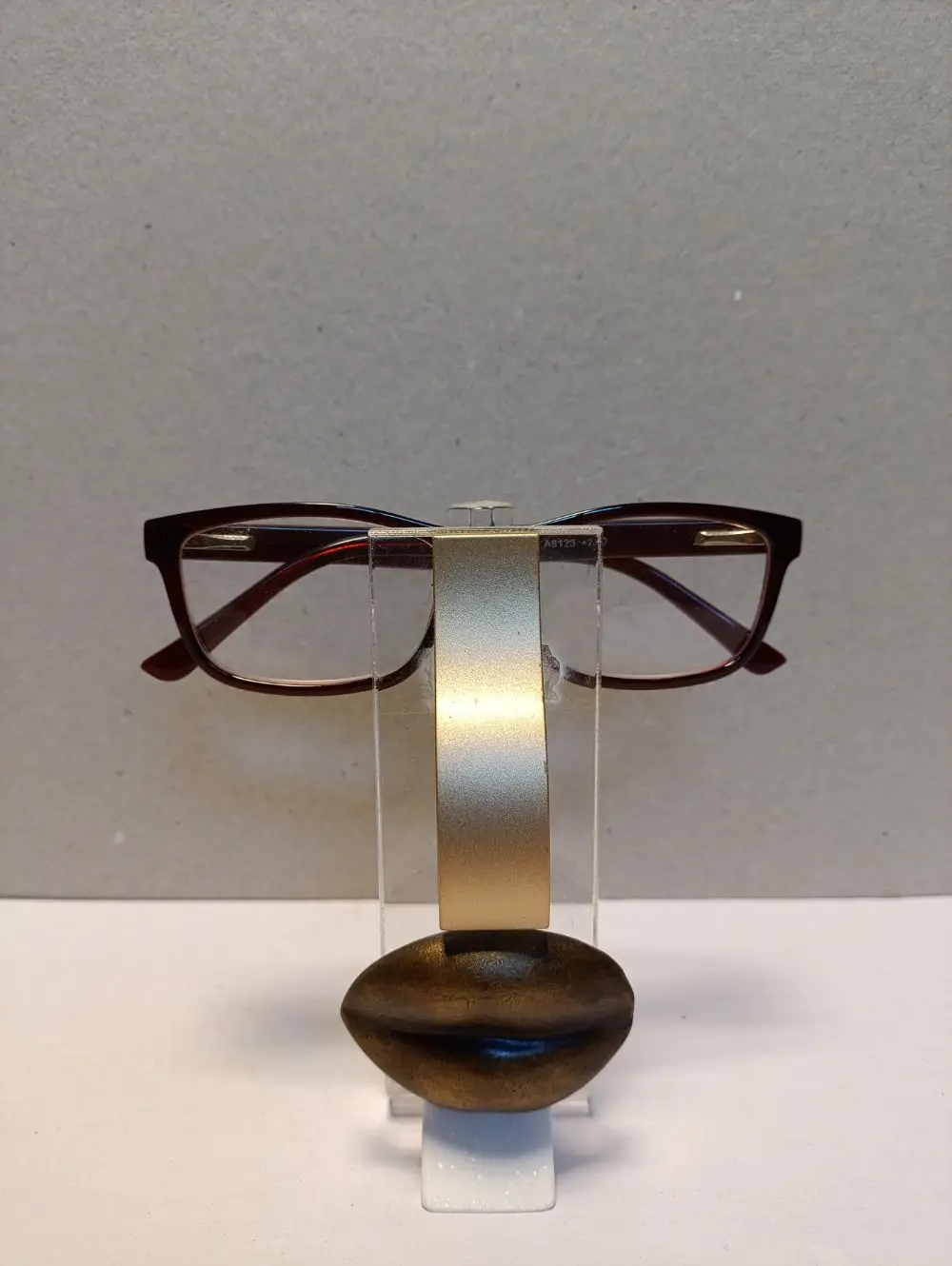
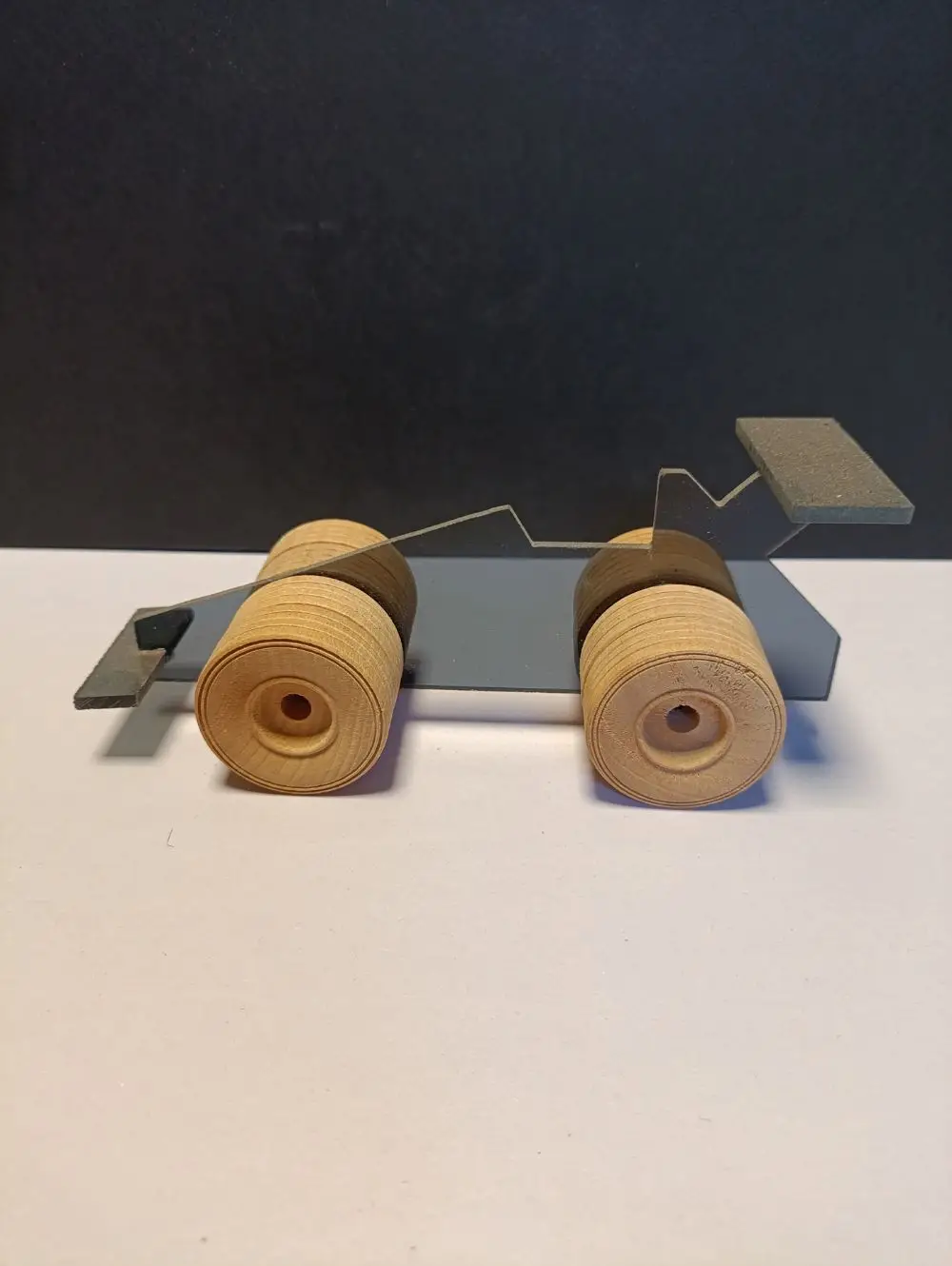
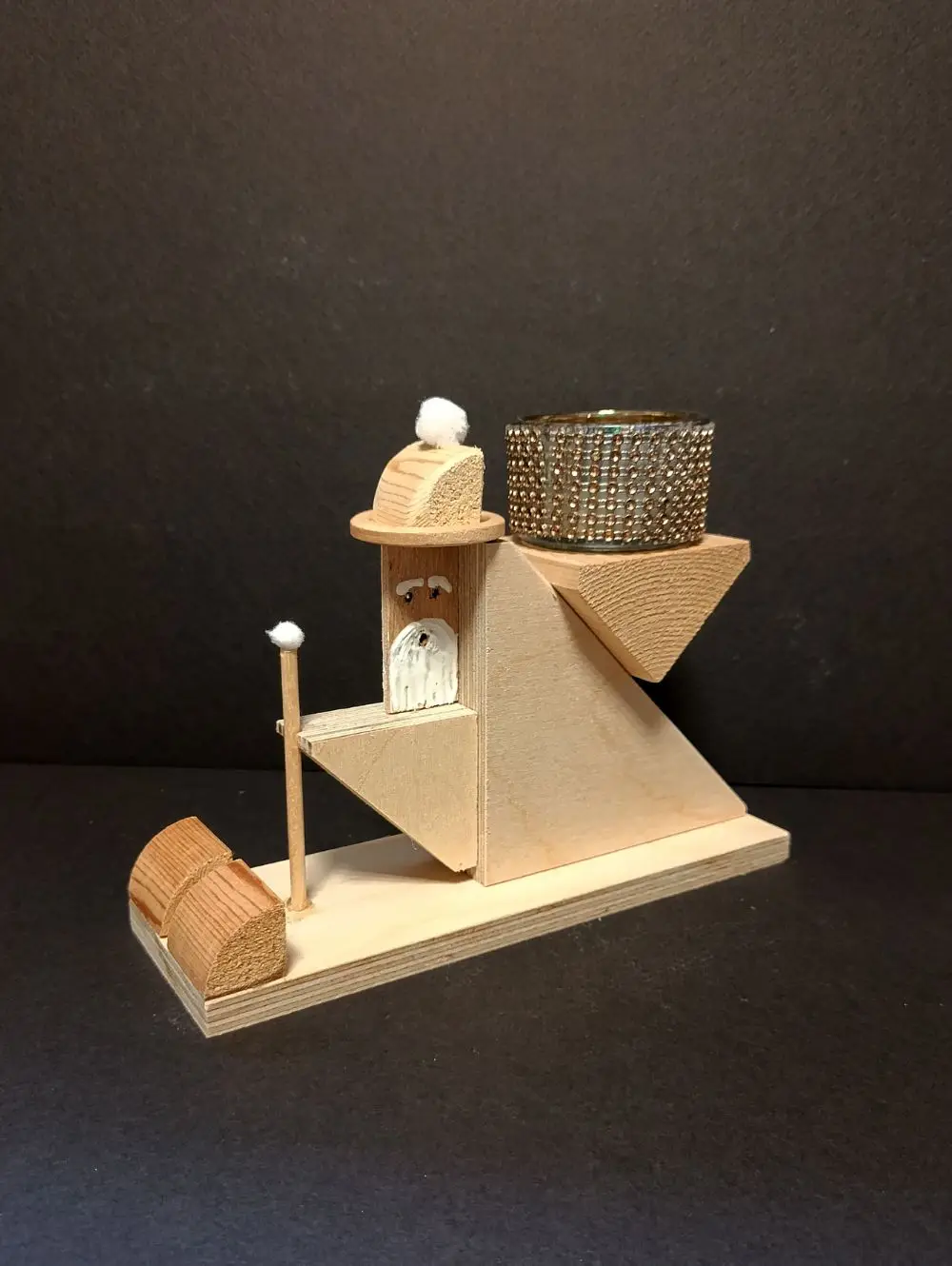
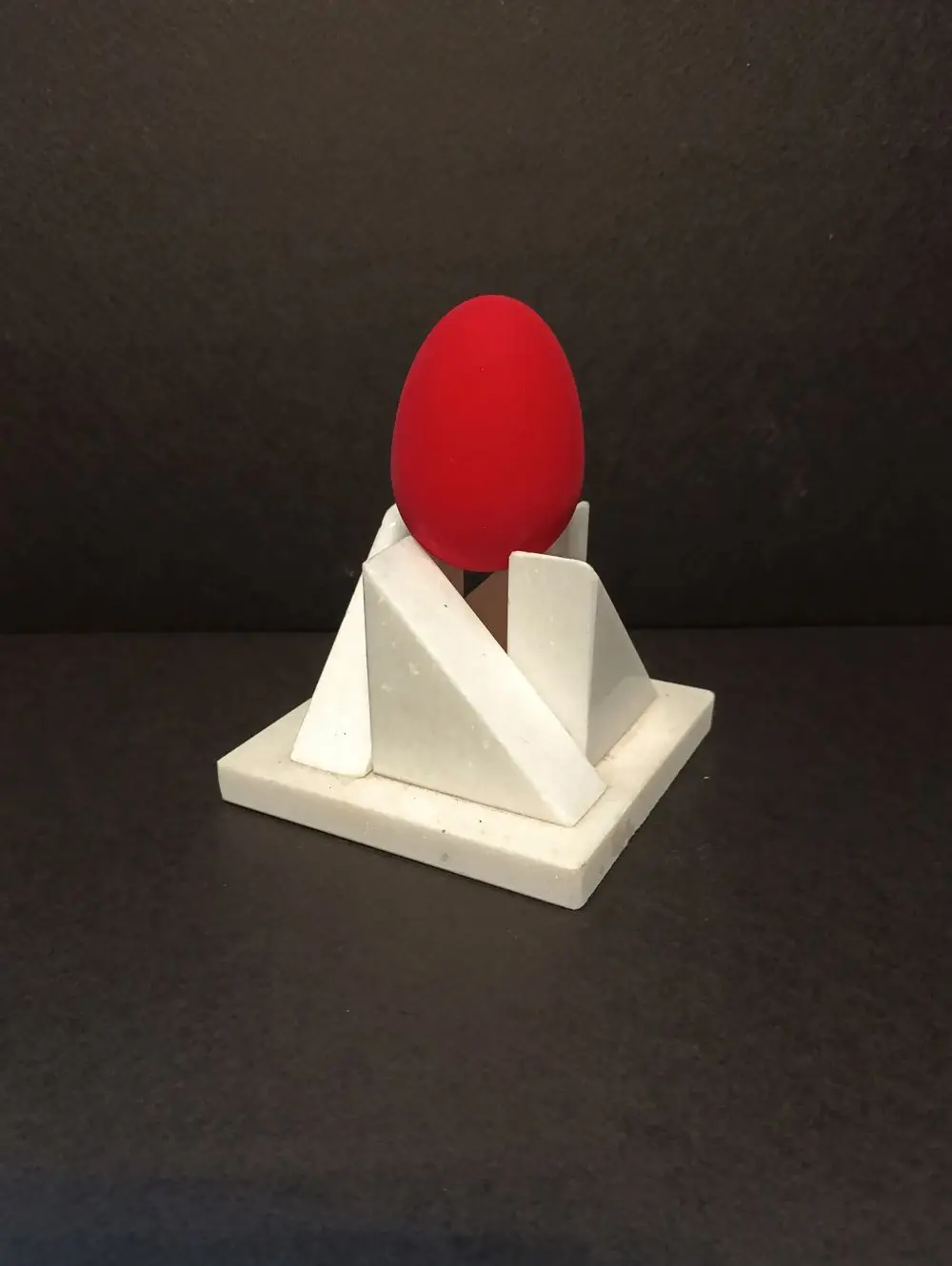
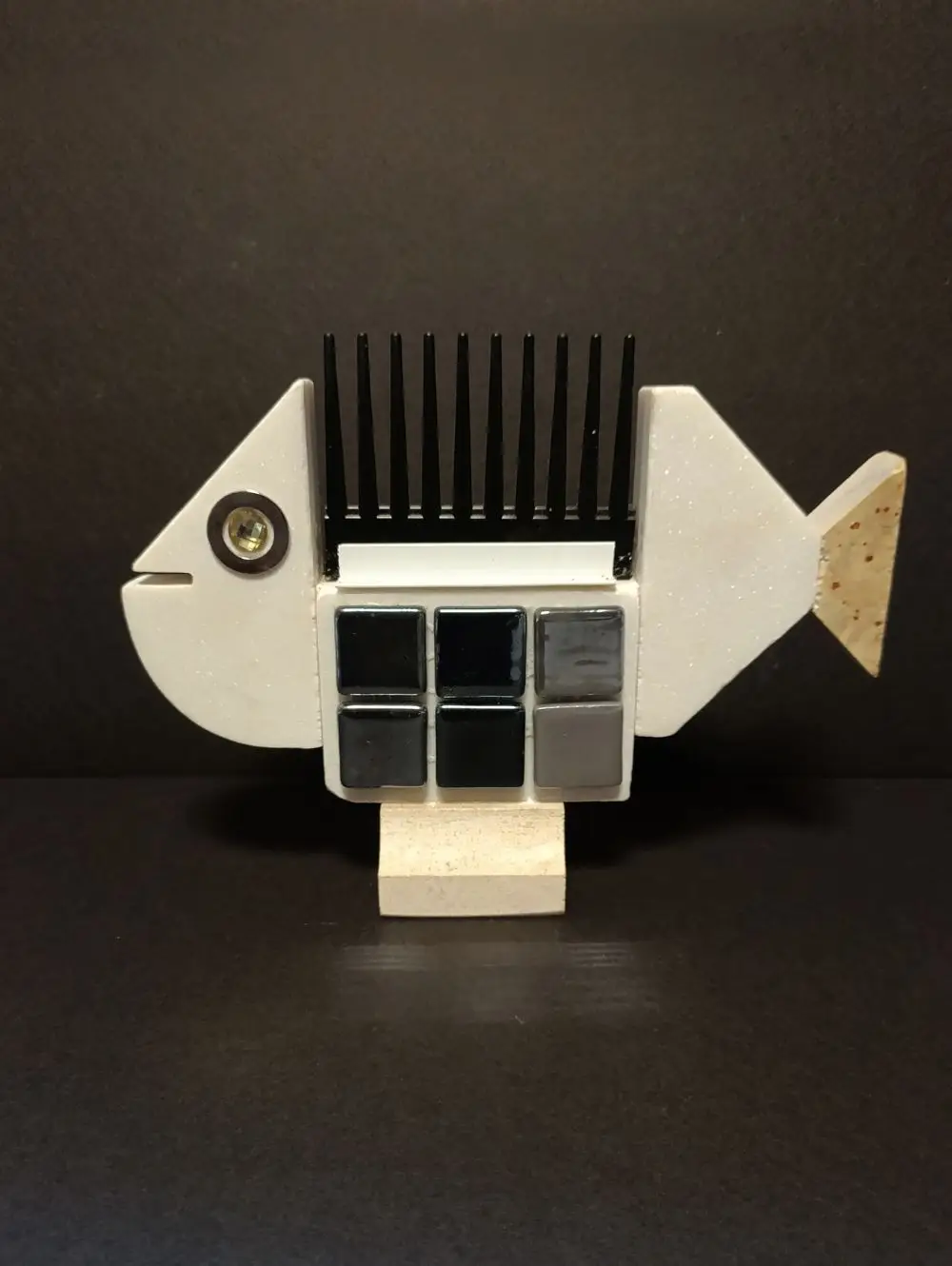
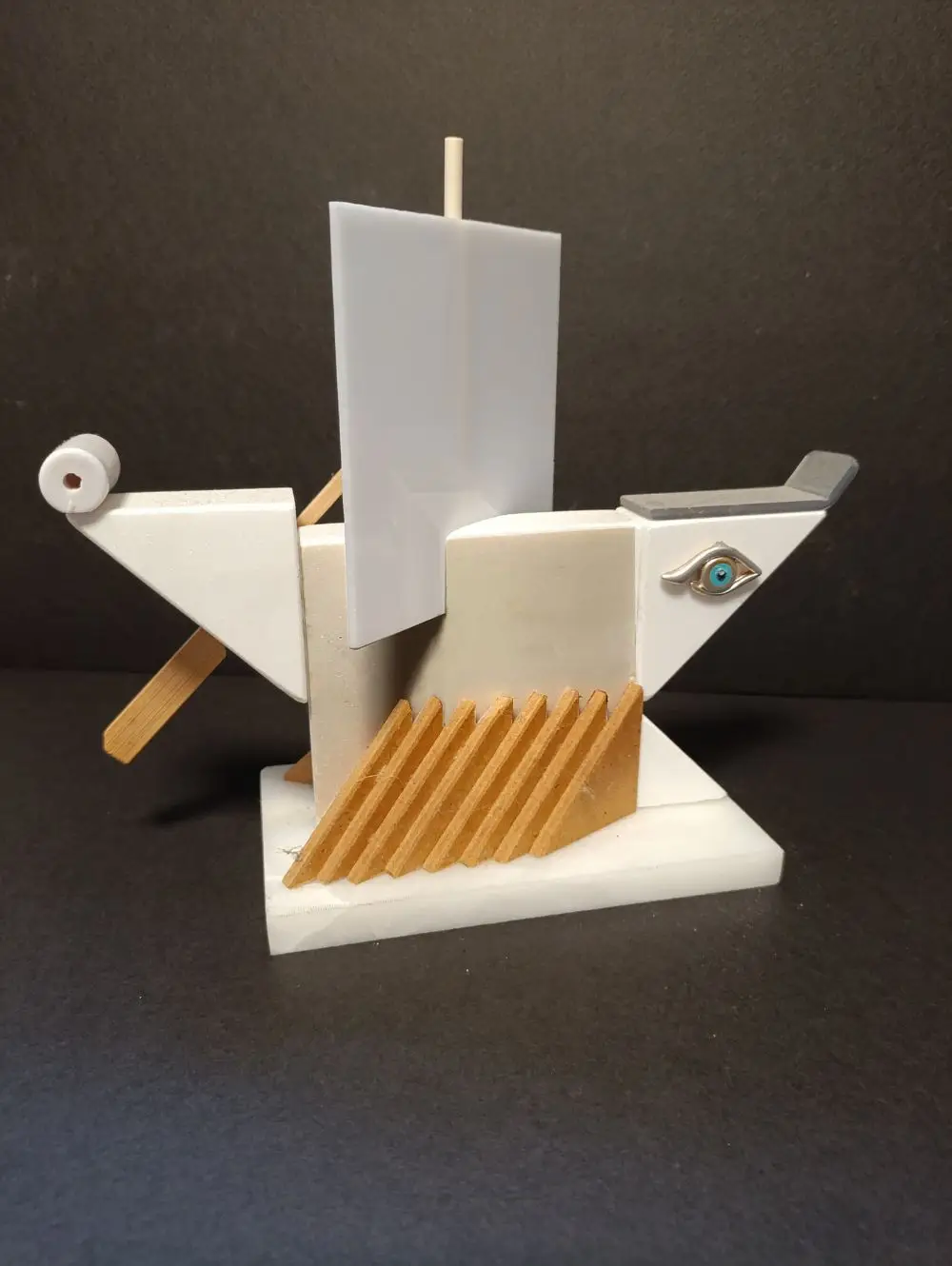
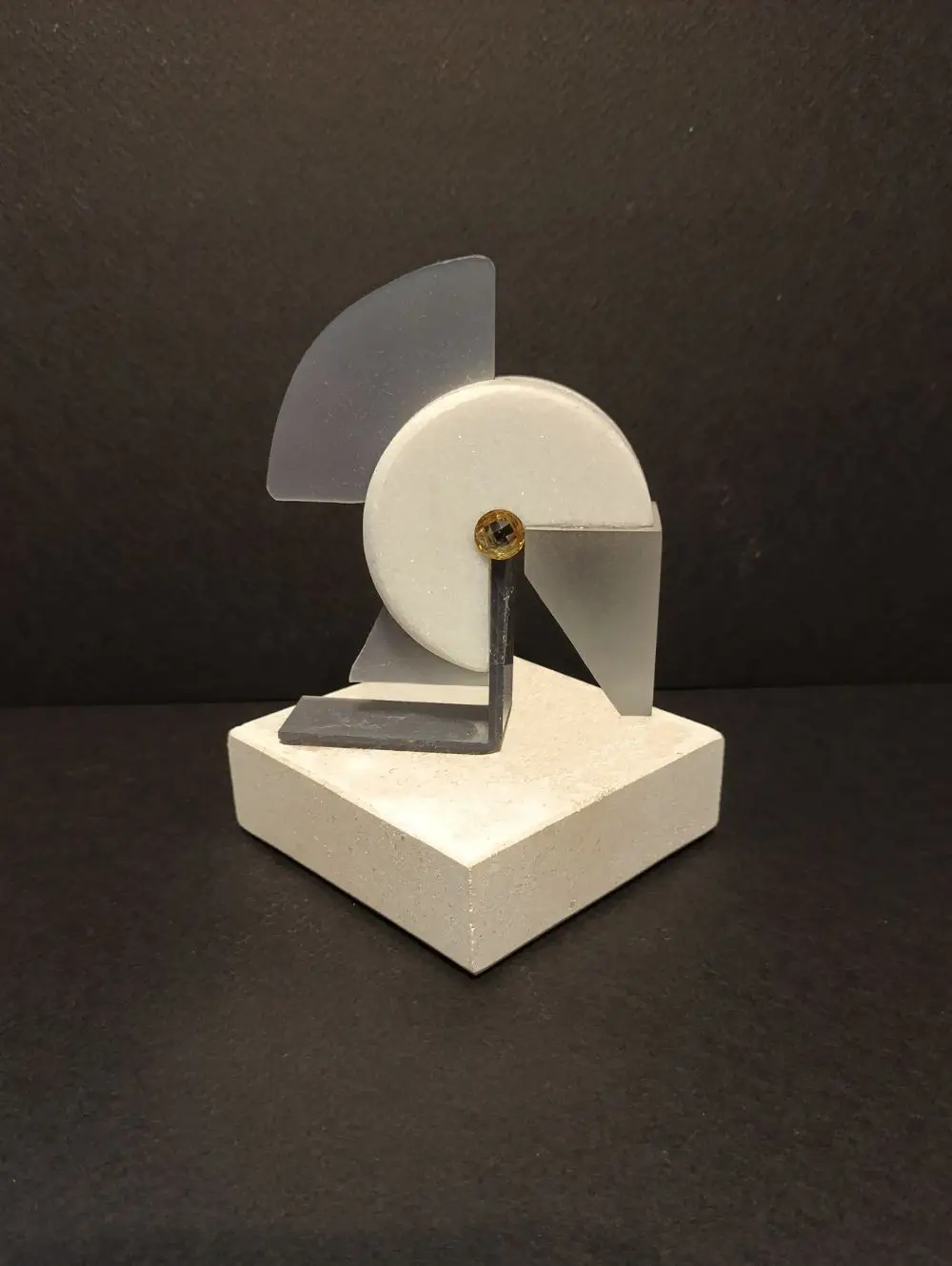
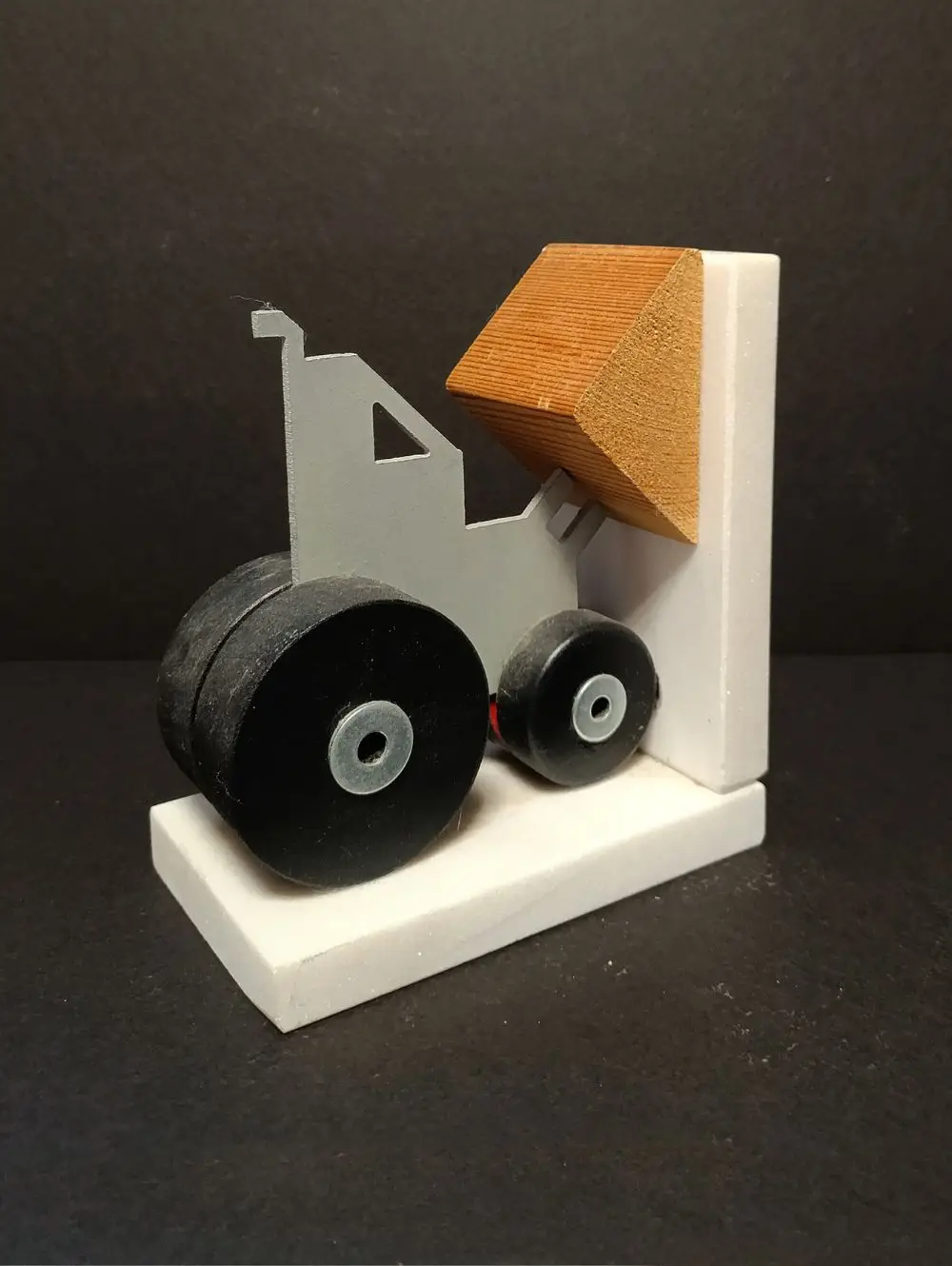
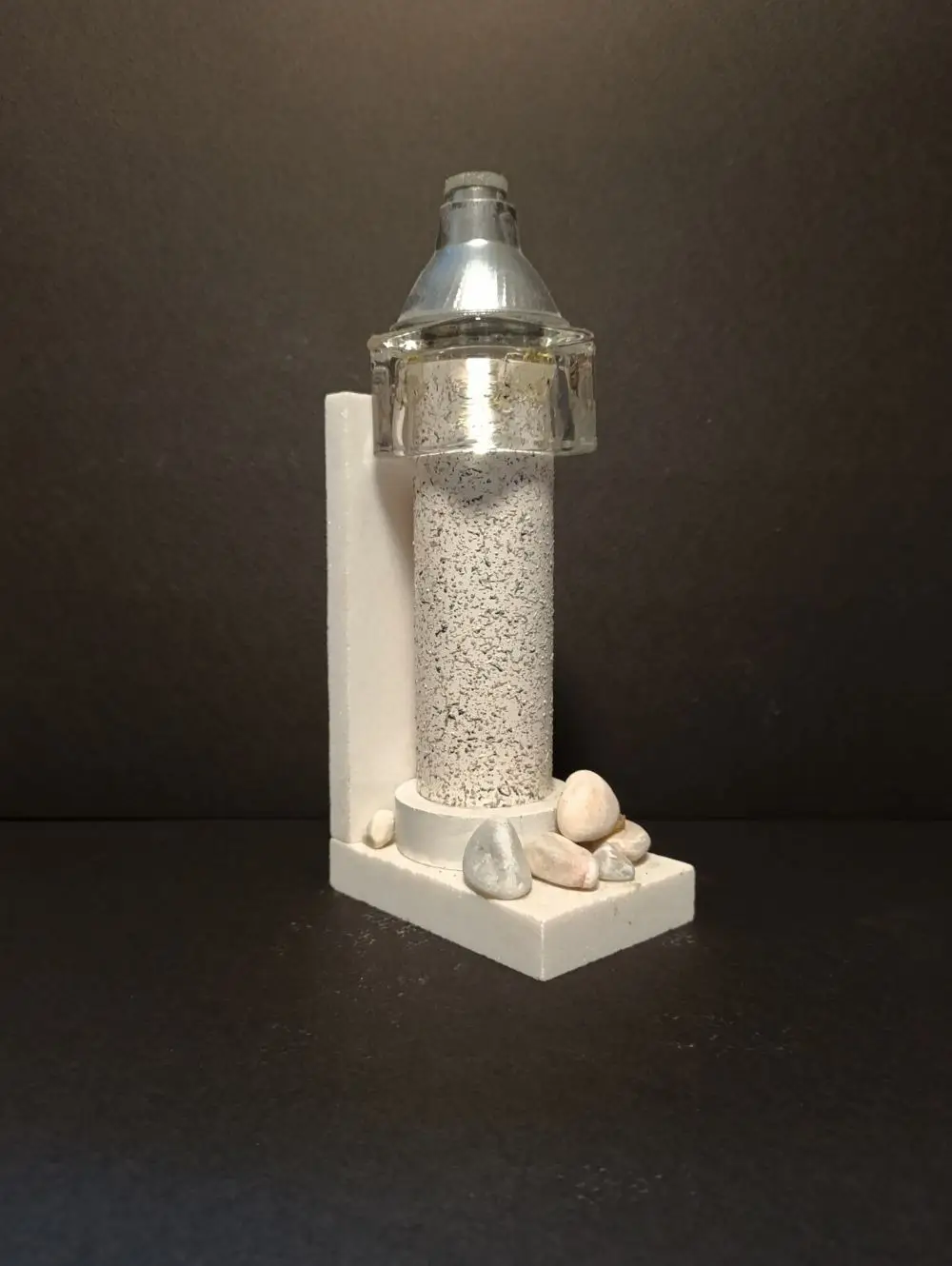
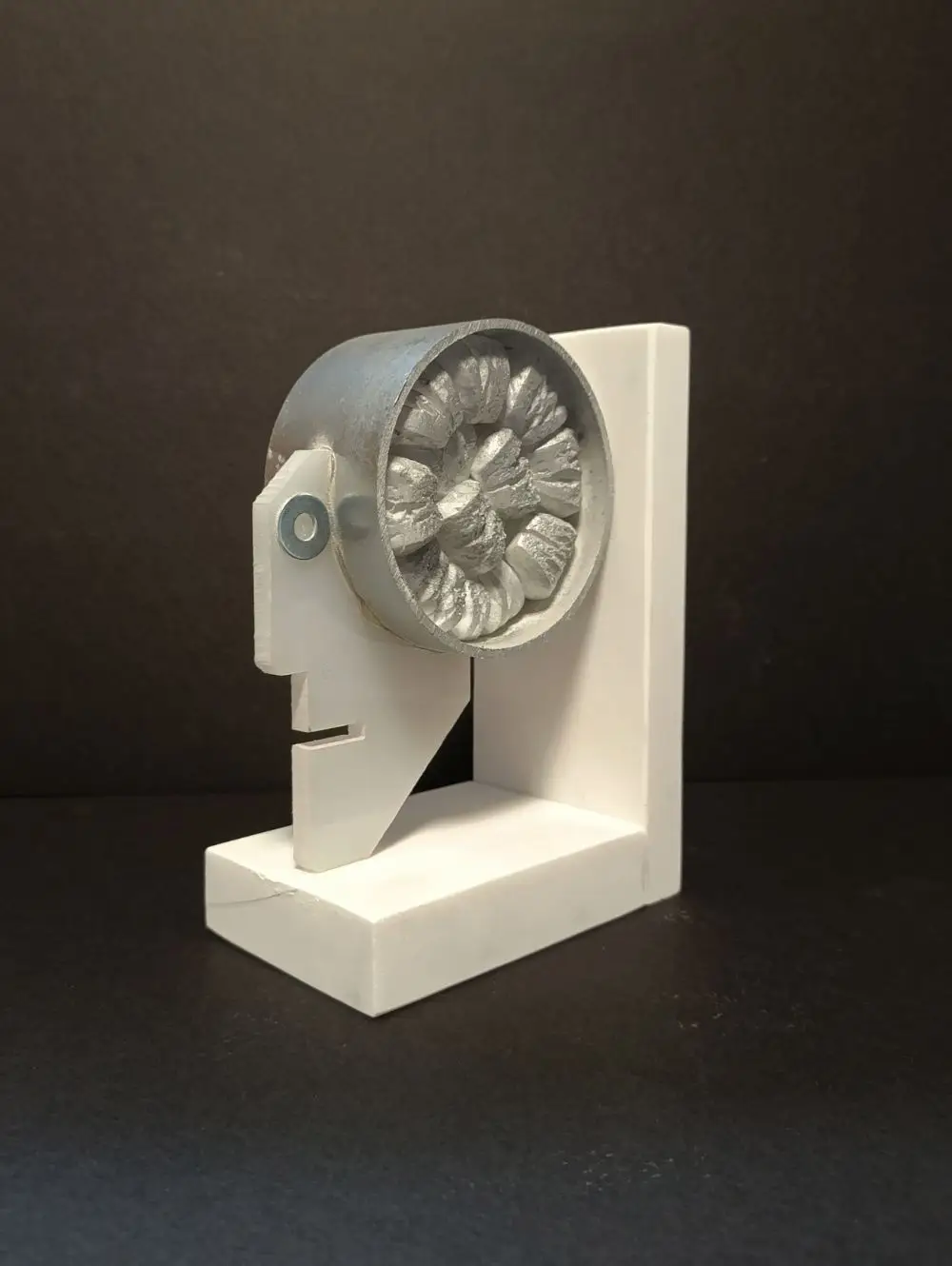
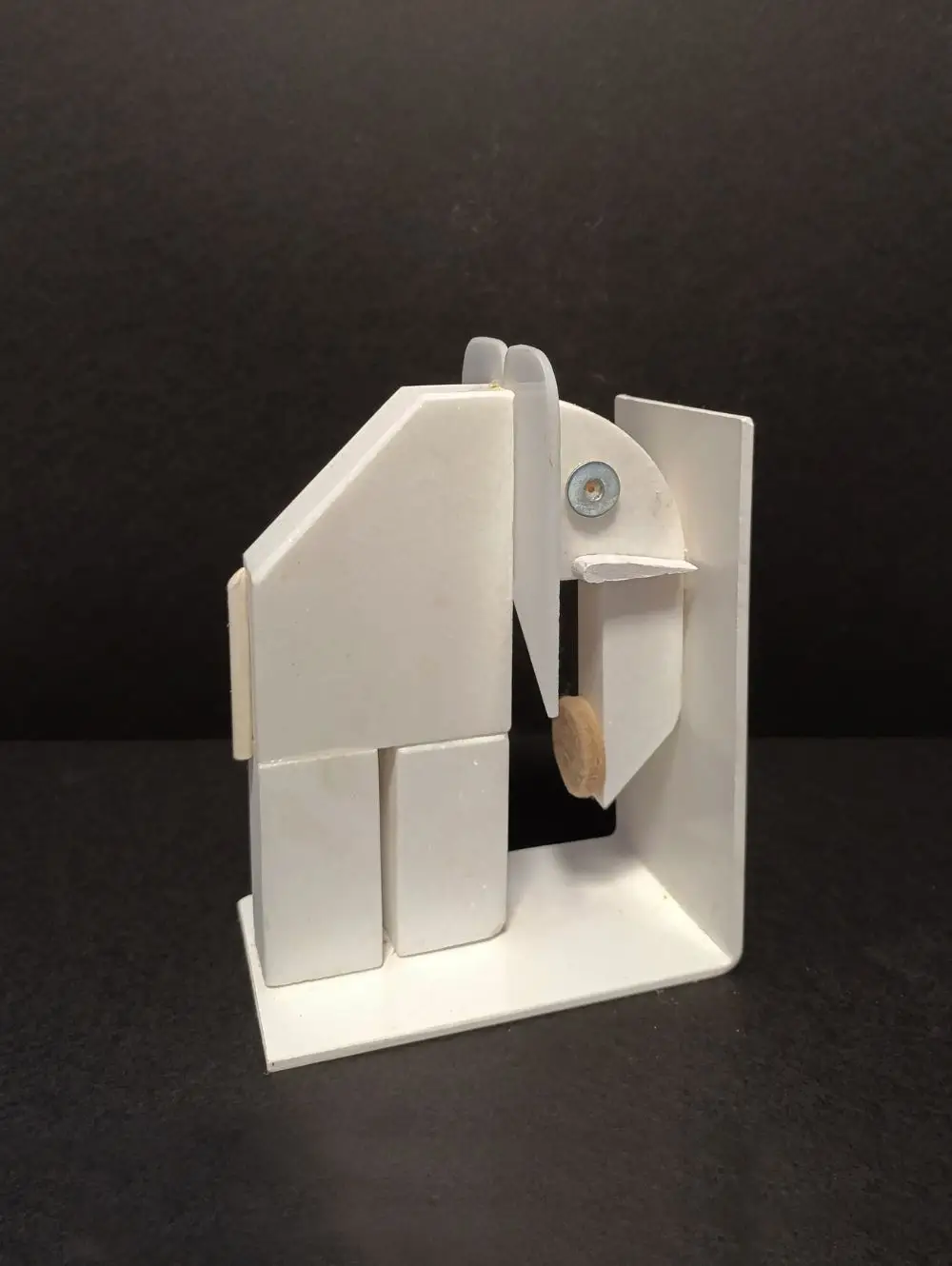
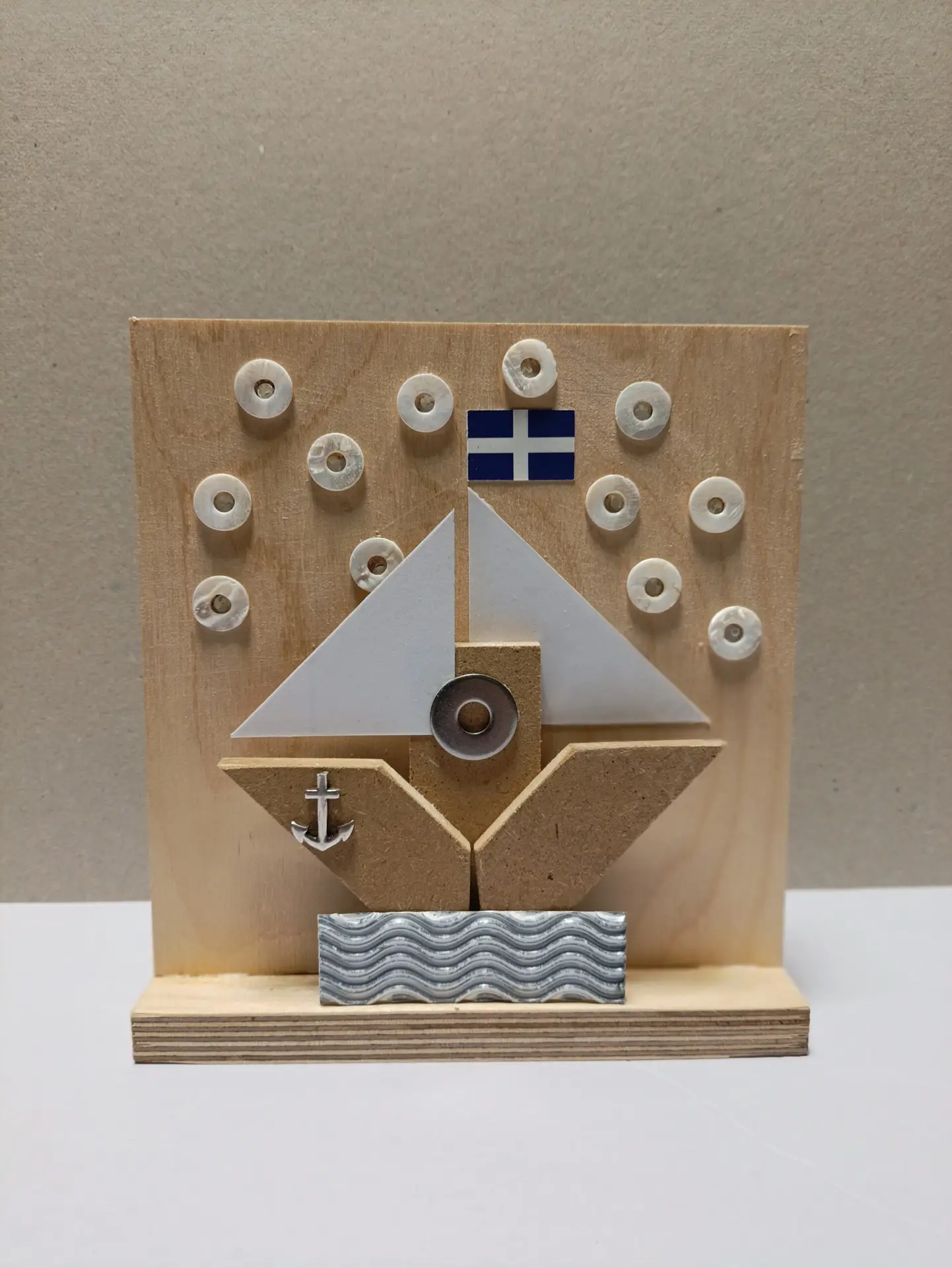
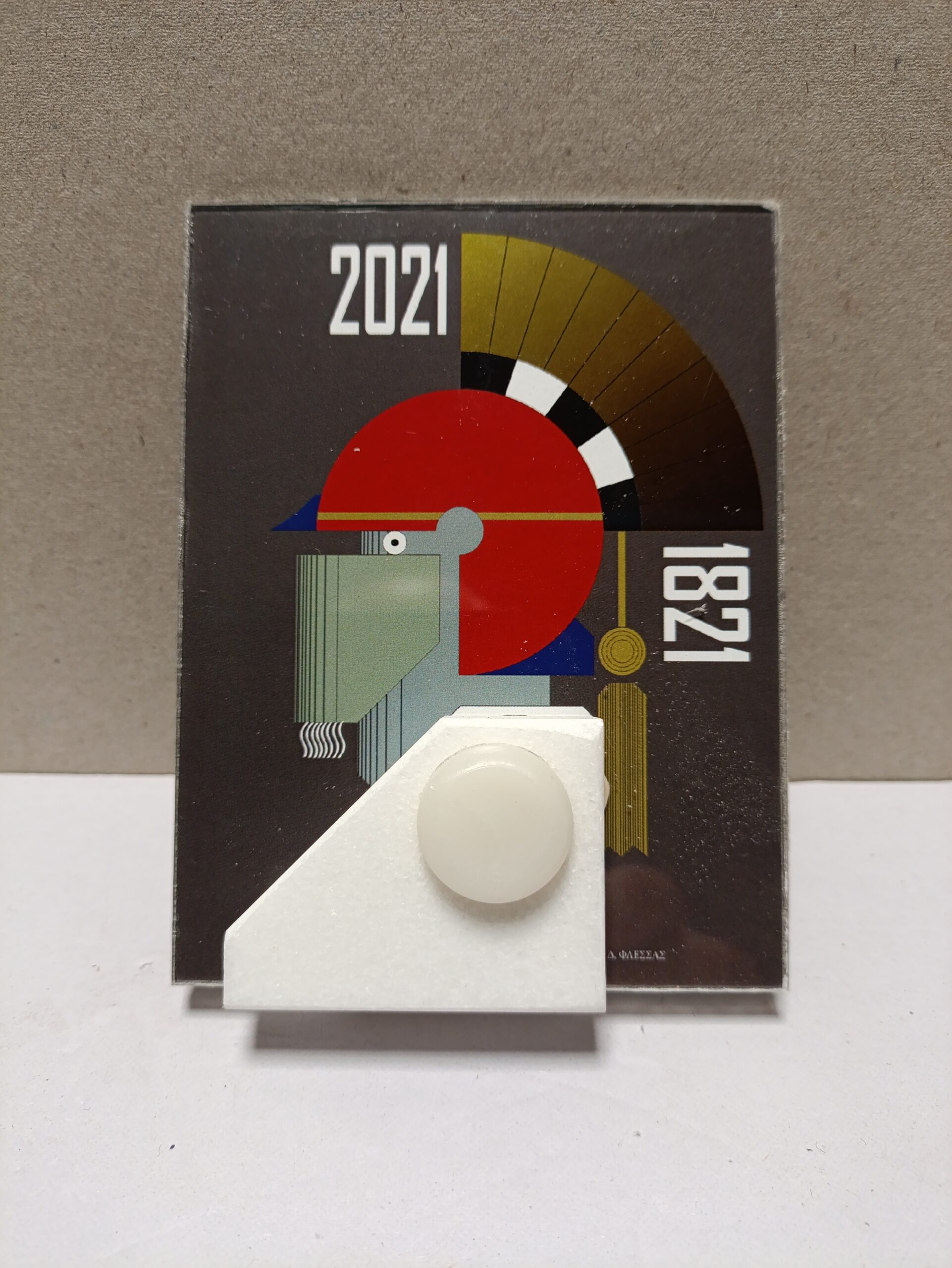
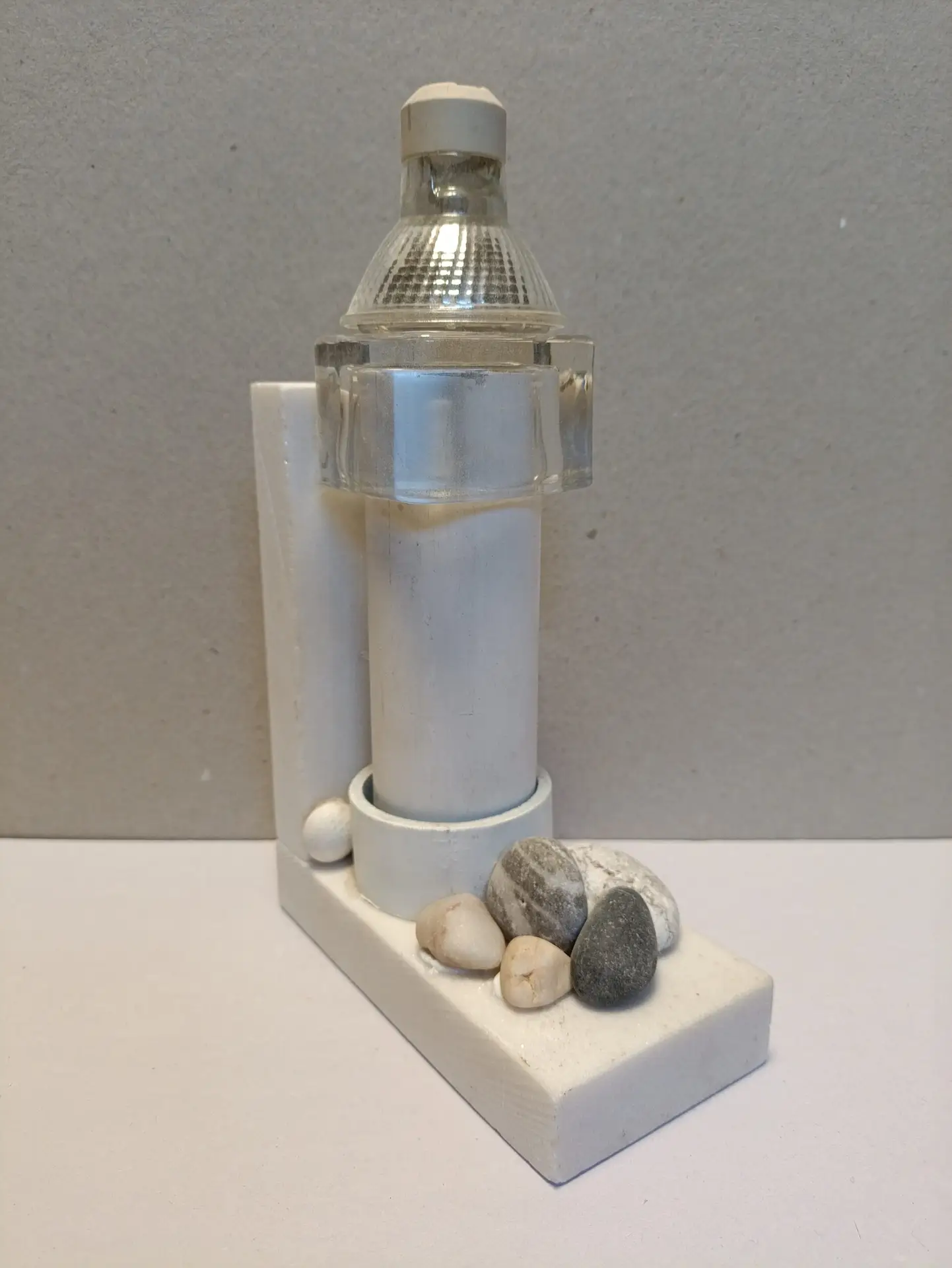
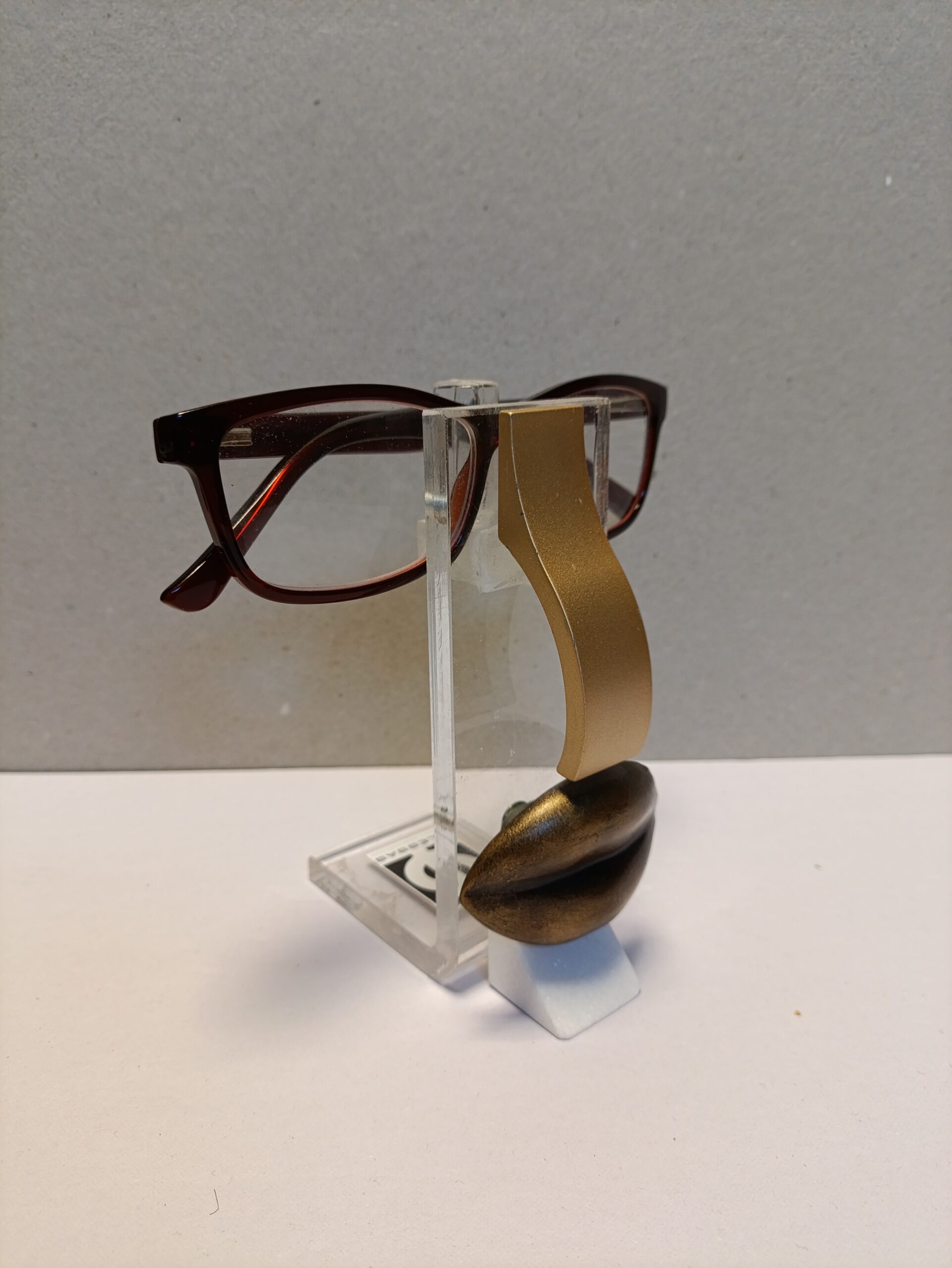
They are basically utilitarian and can have a character, seasonal, tourist, anniversary, functional, symbolic, gift, etc. always in mass production.
They are primarily utilitarian and can have a seasonal, touristic, commemorative, functional, symbolic, or gift-oriented character & always within the context of mass production.
Rendering
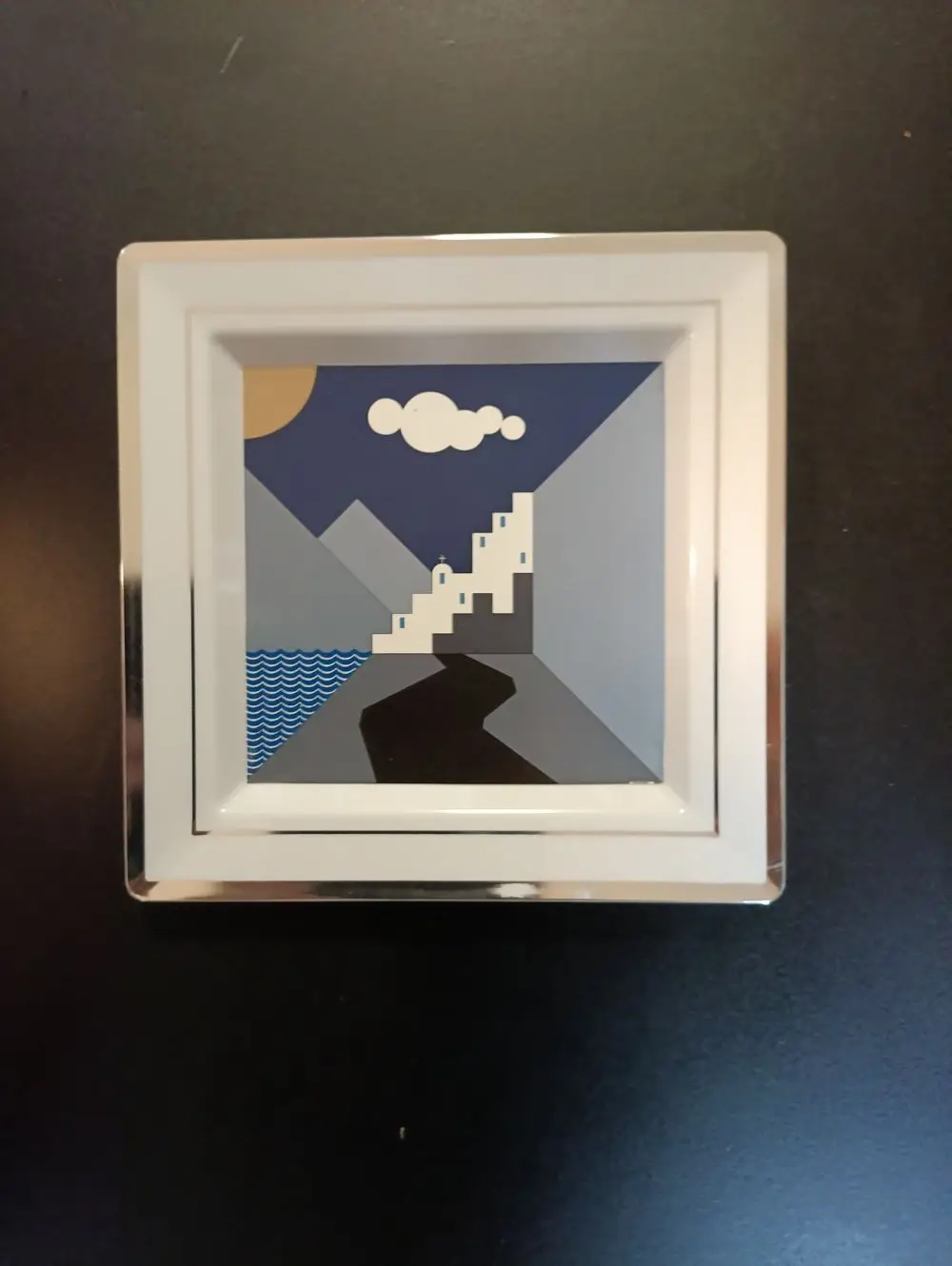
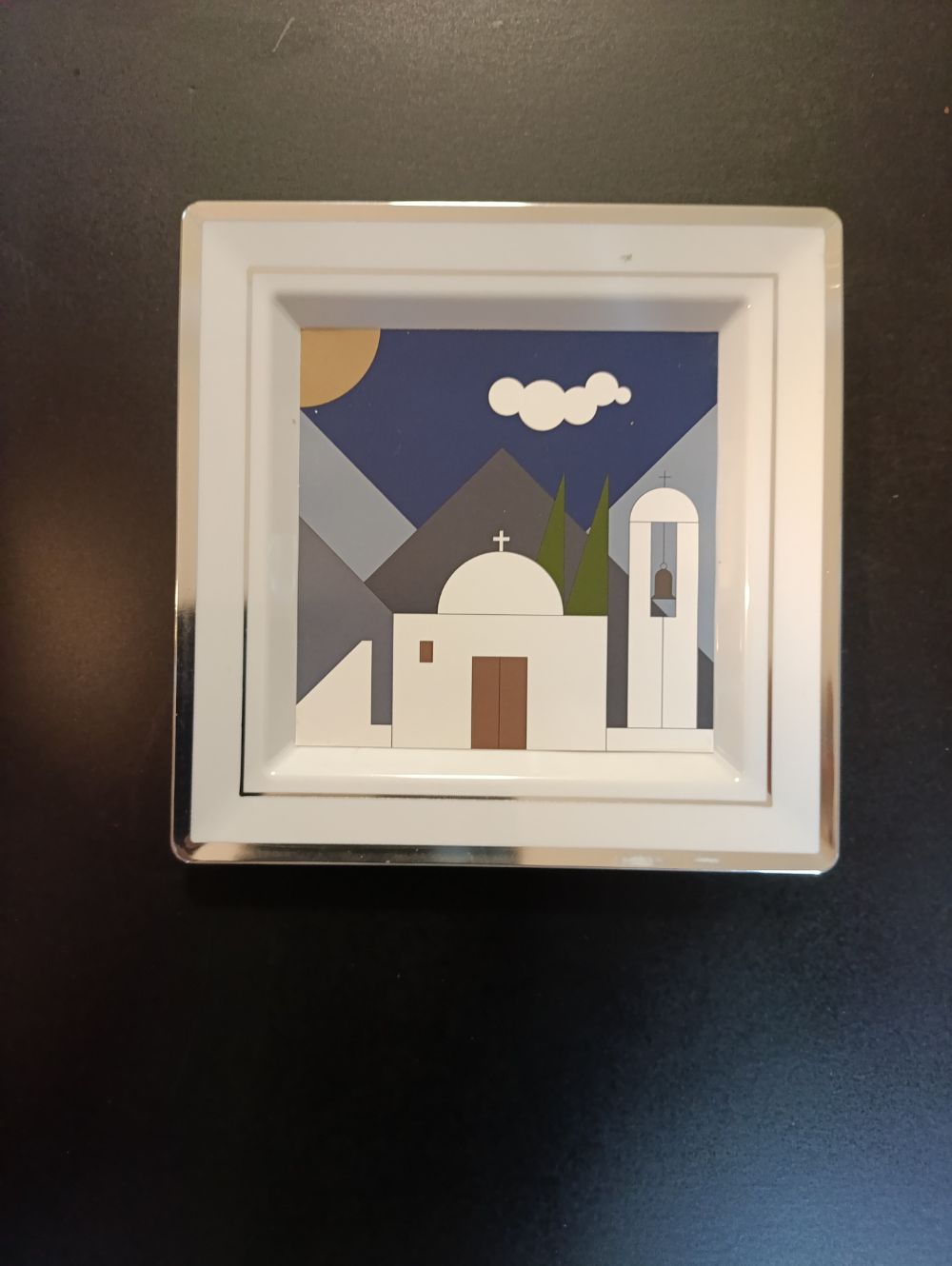
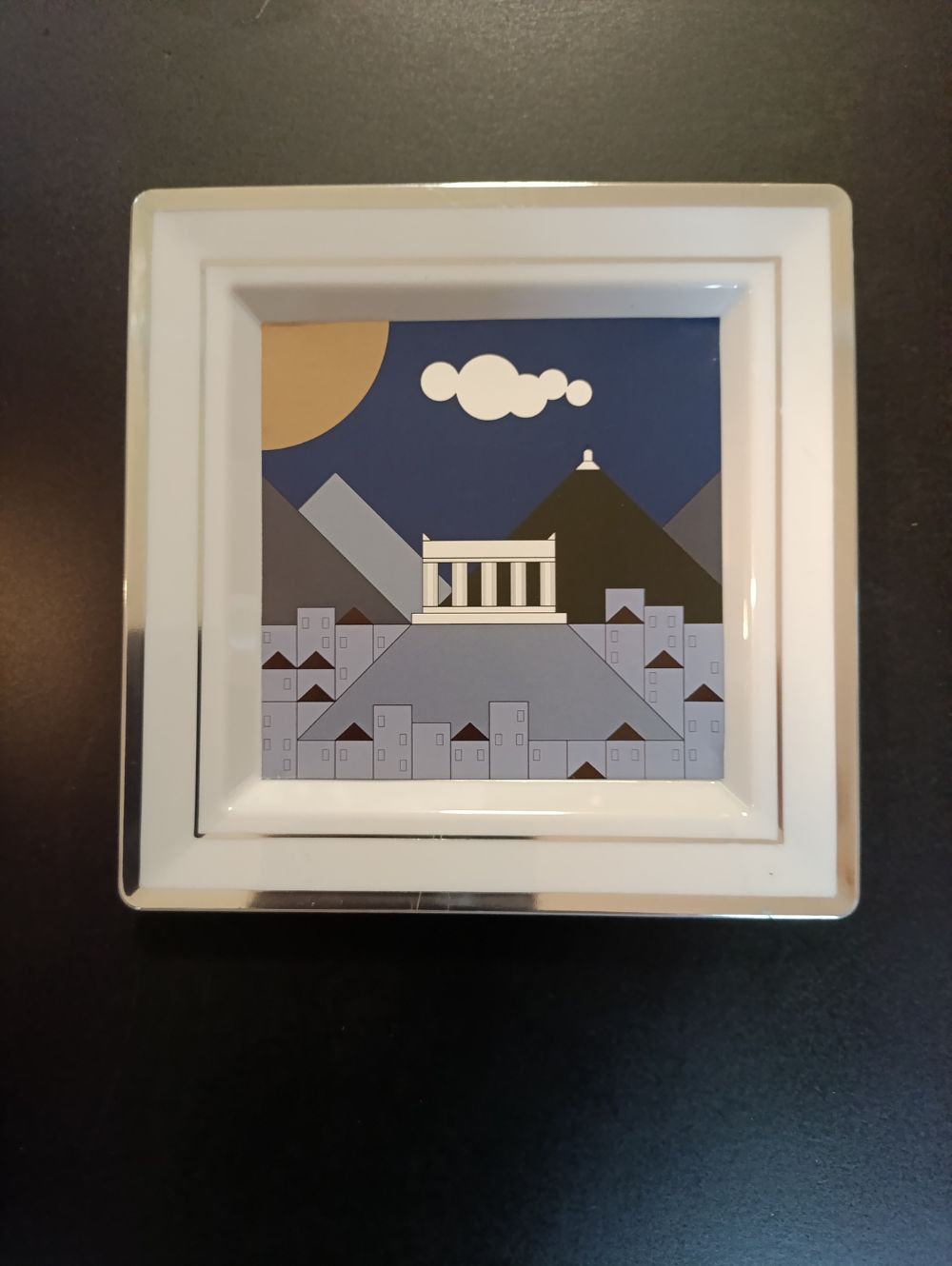
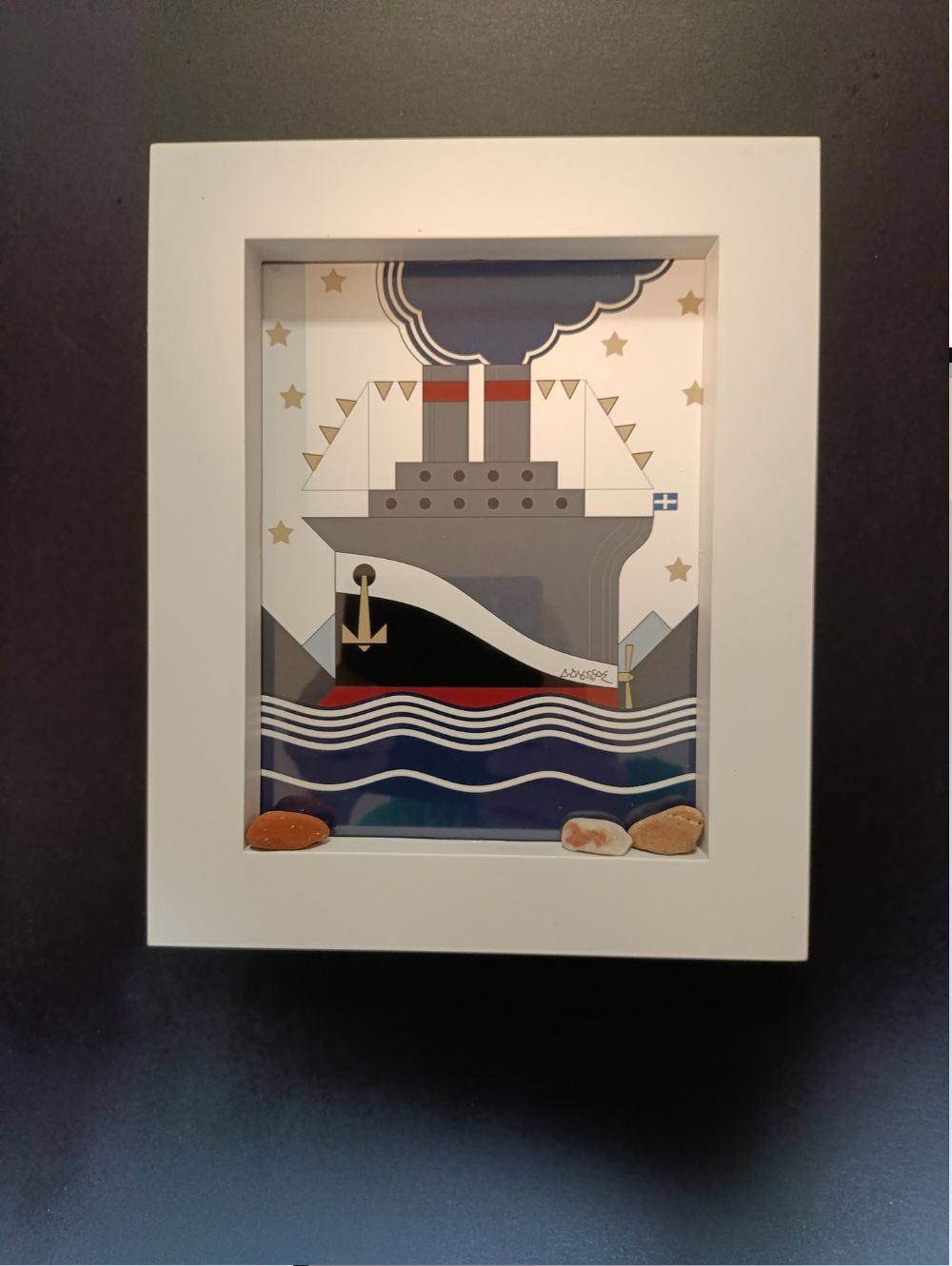
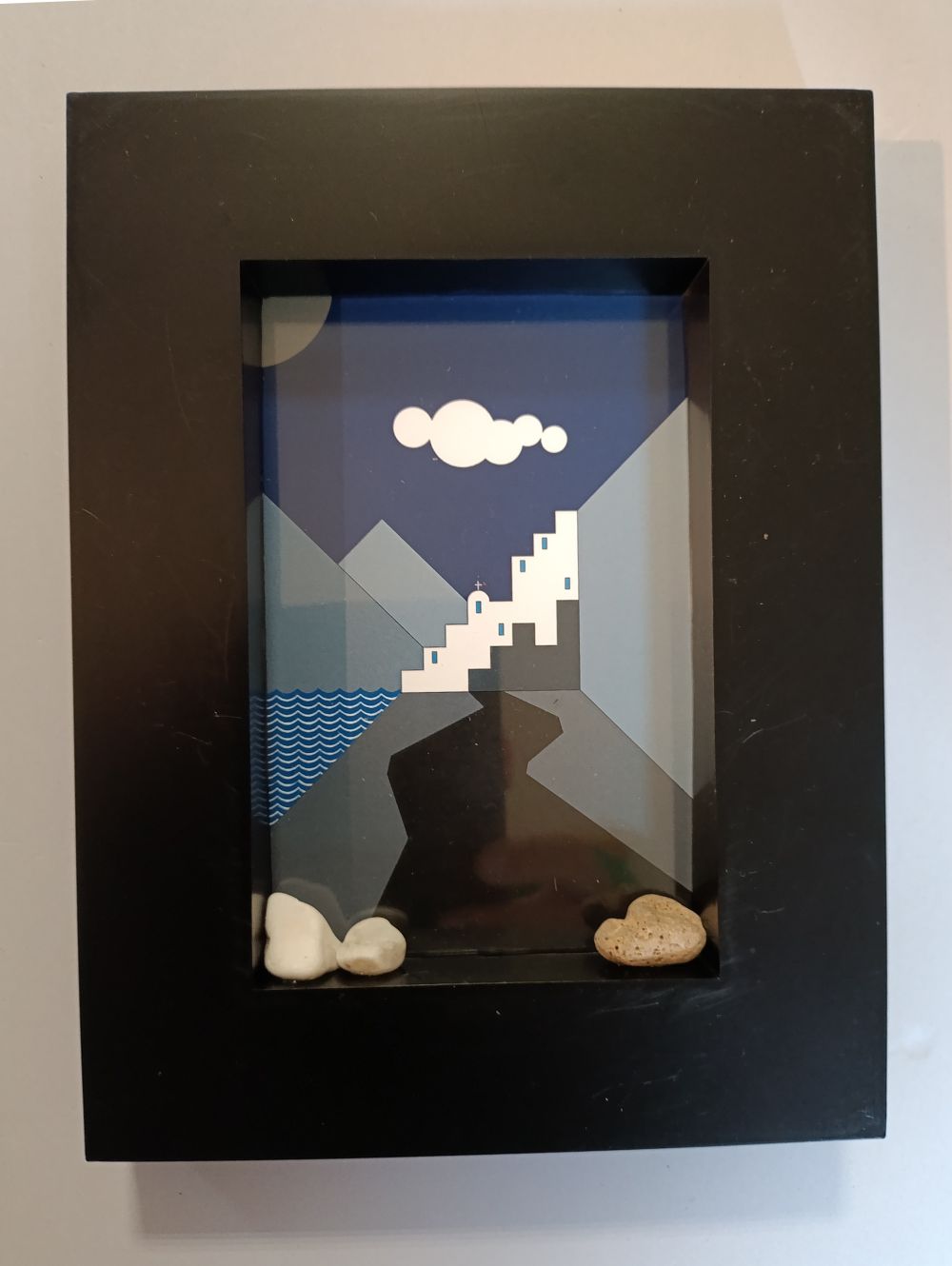
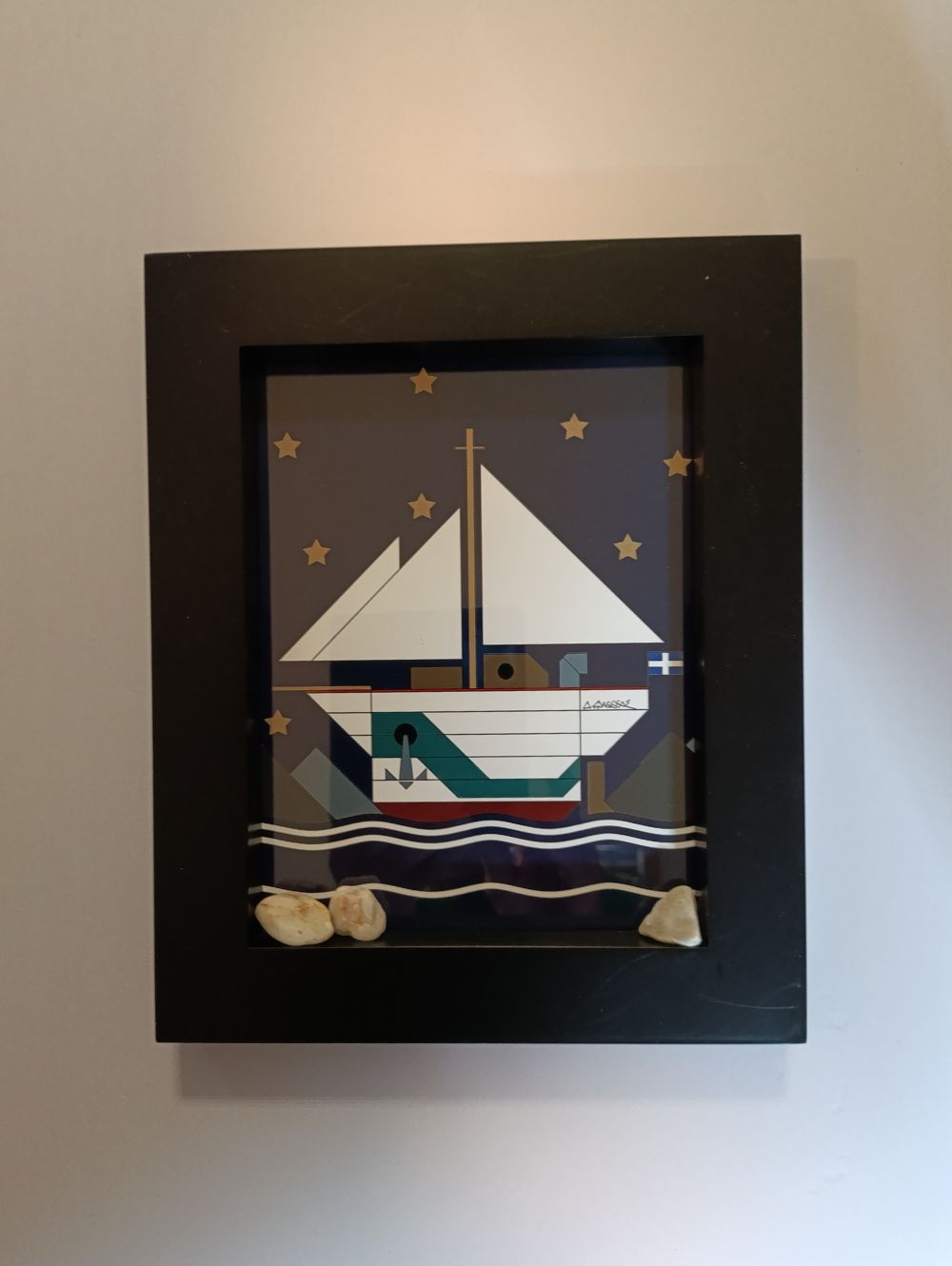
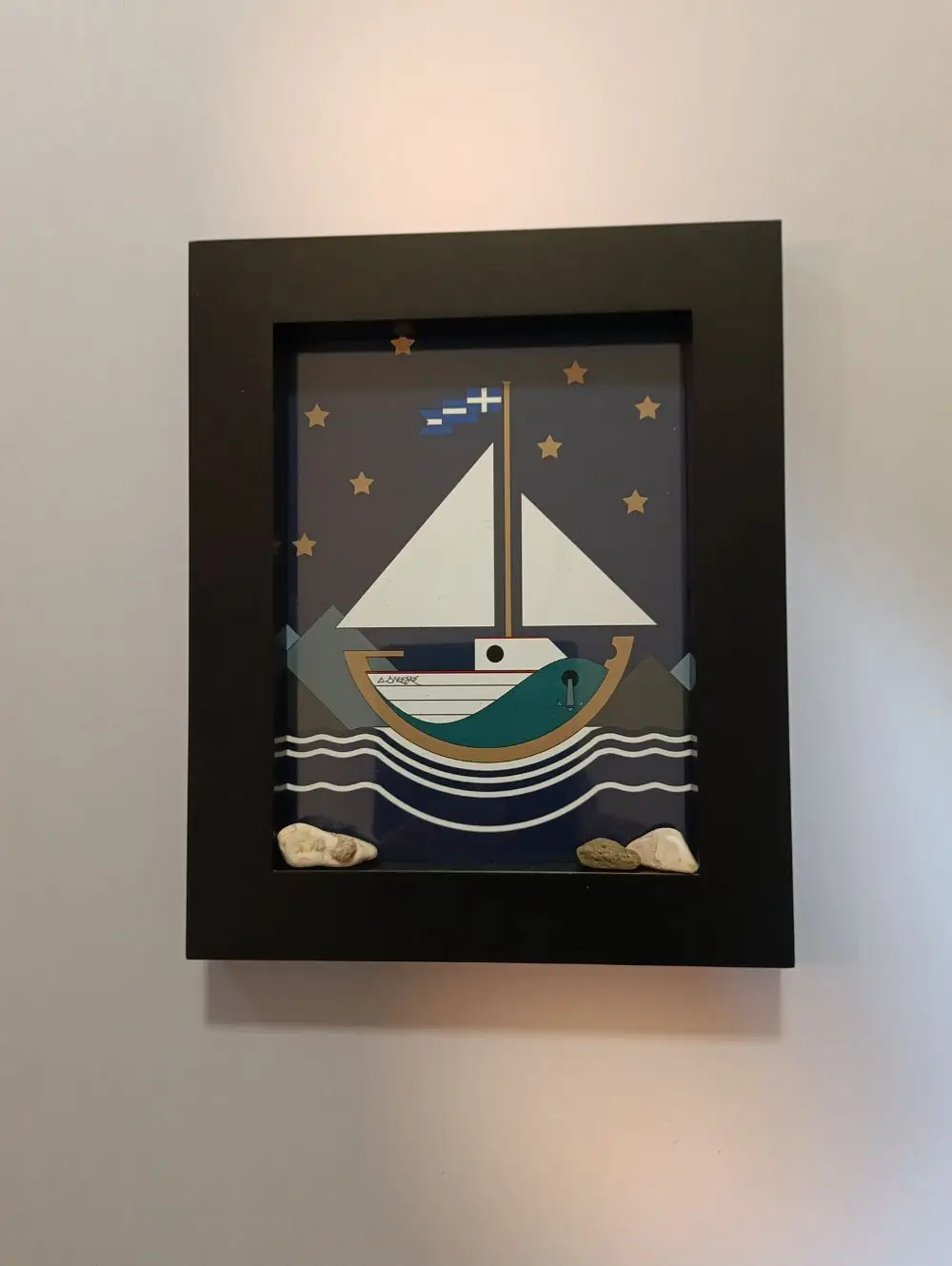
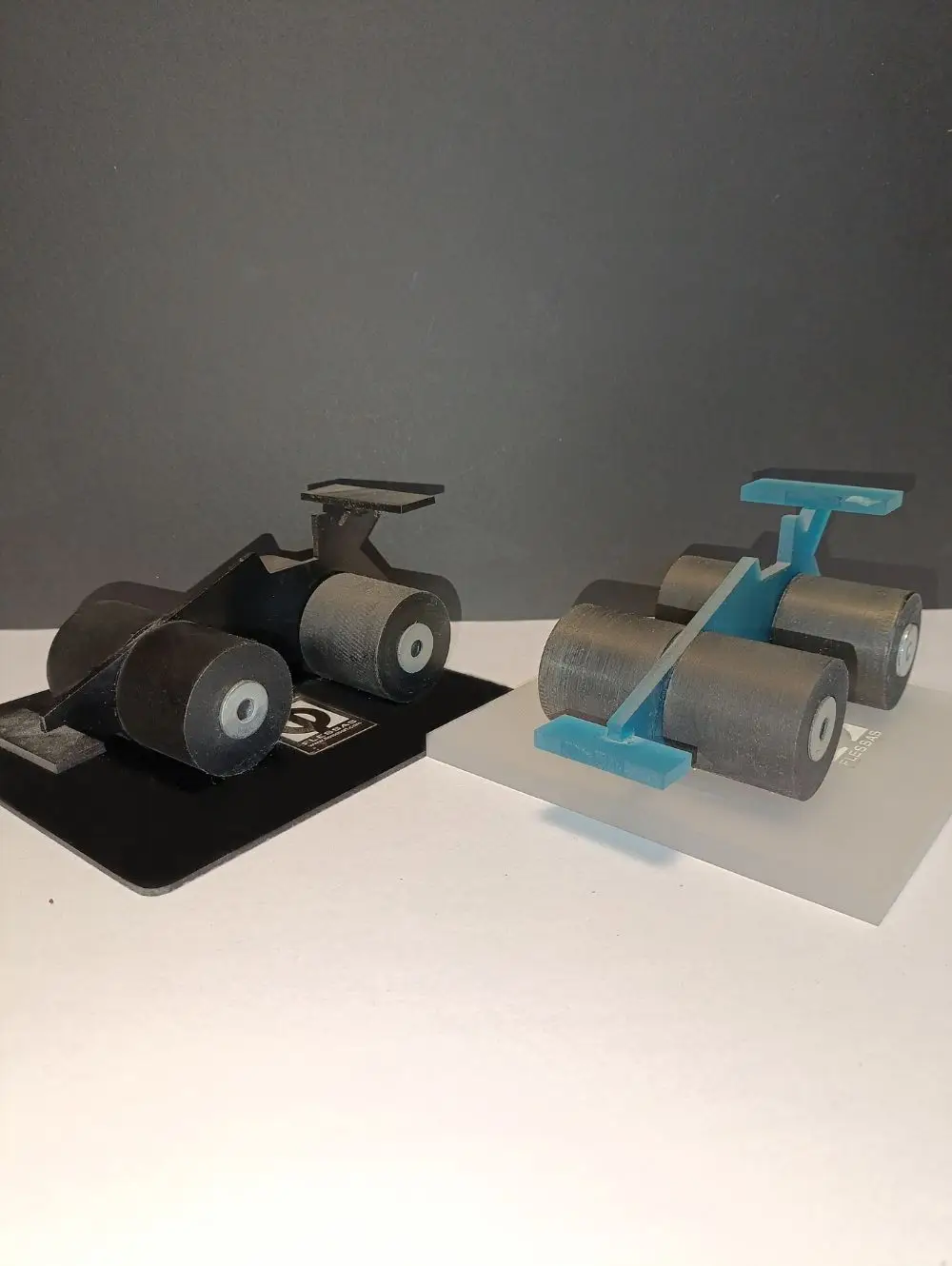
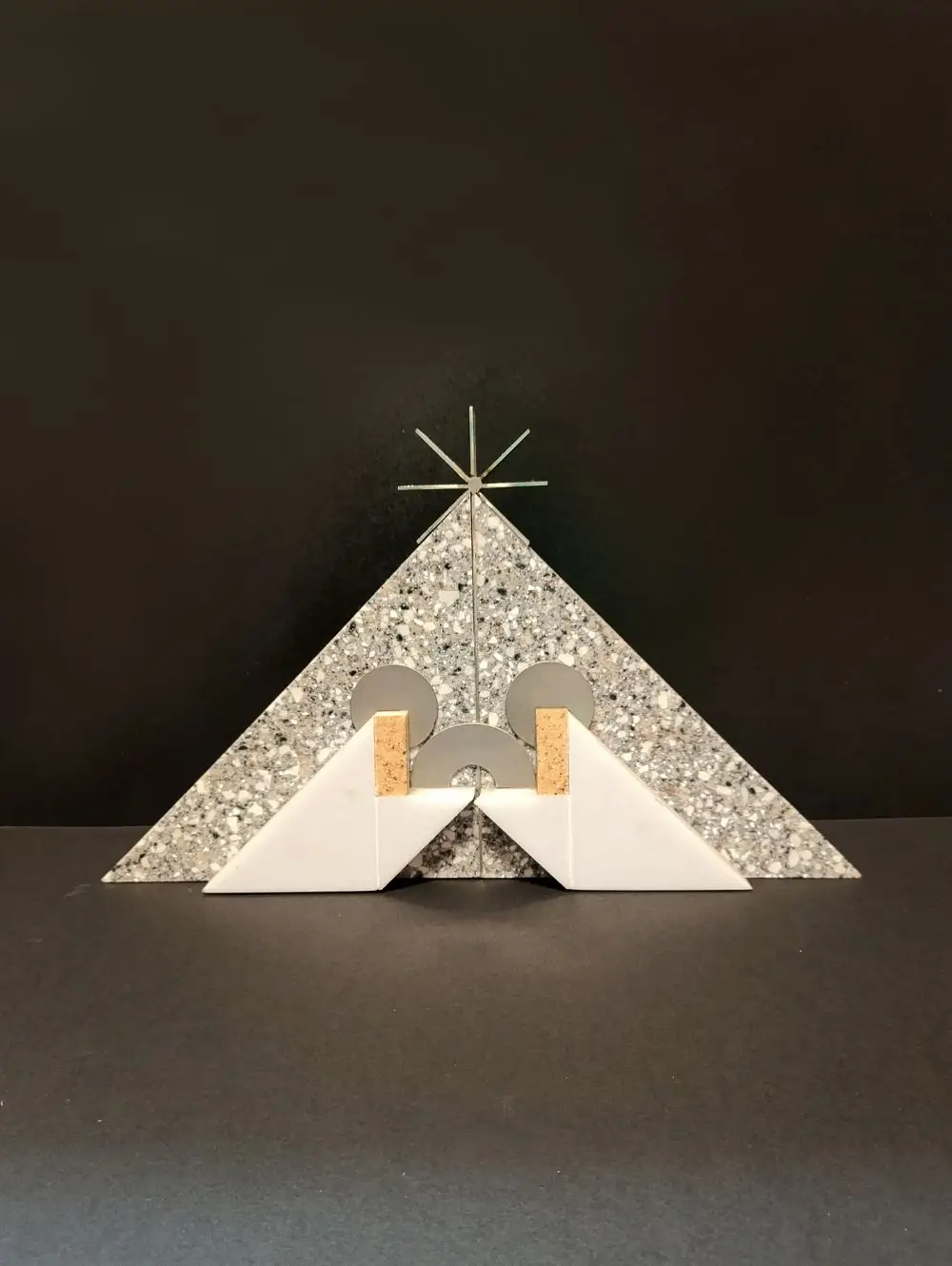
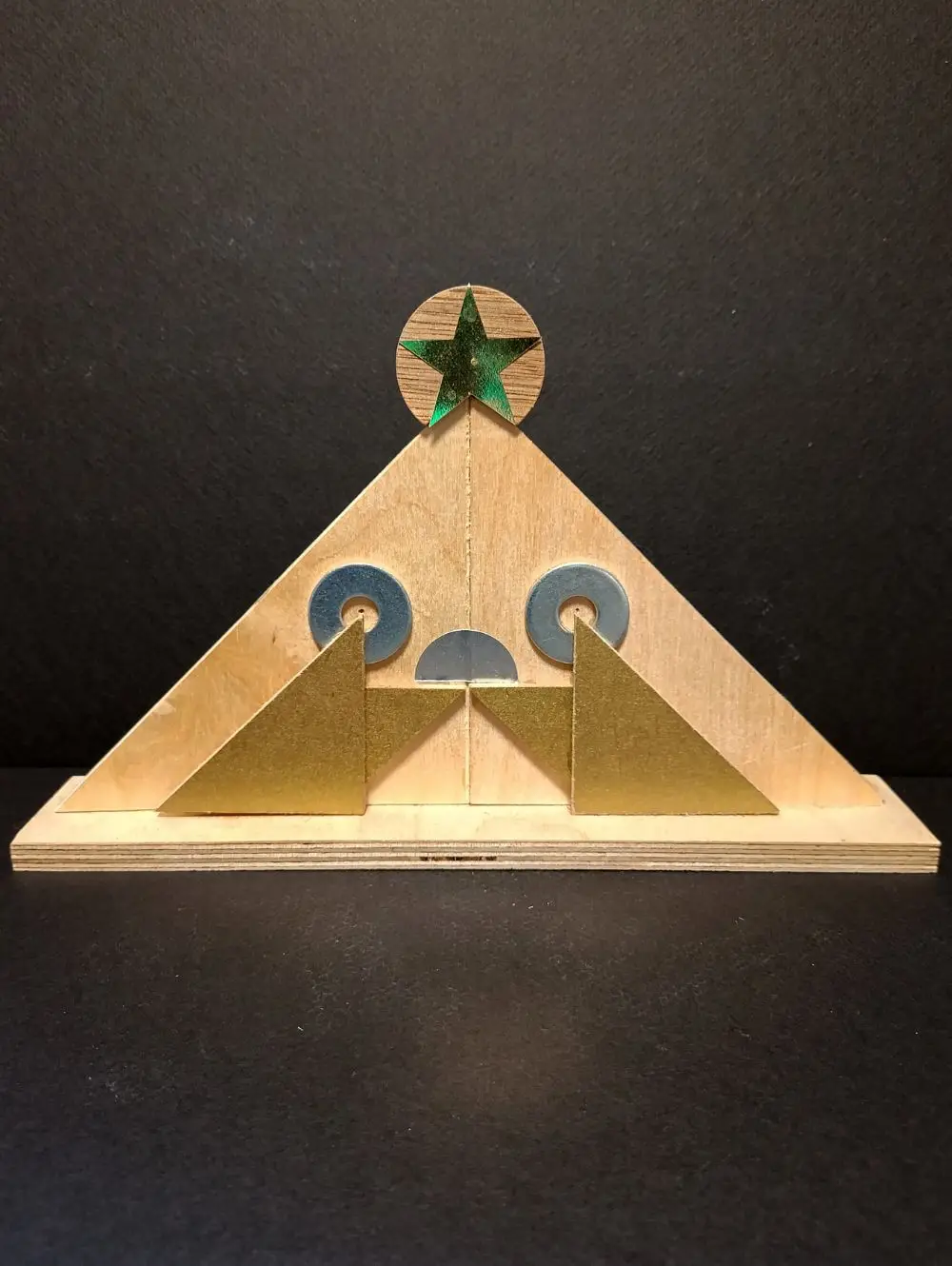
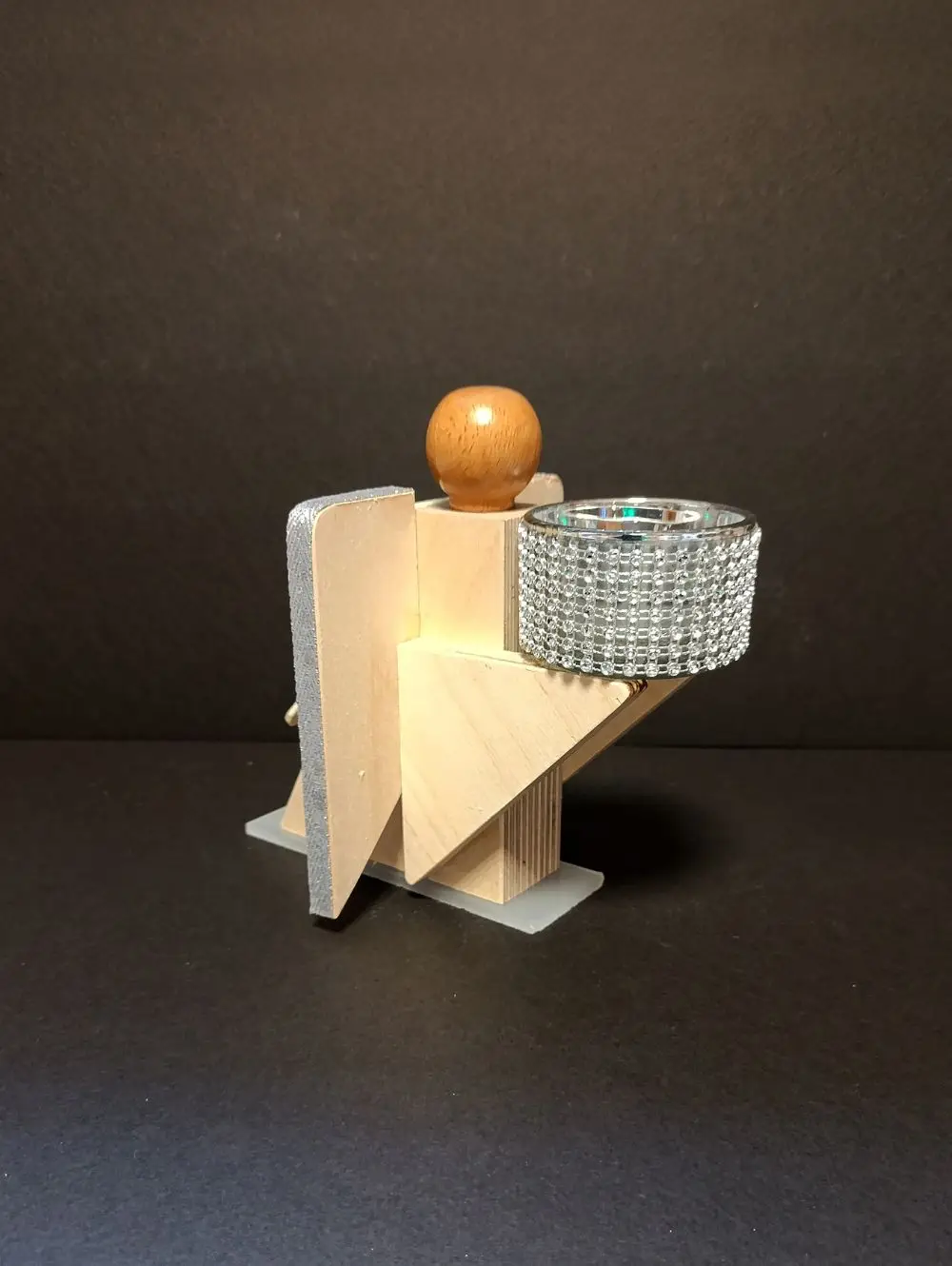
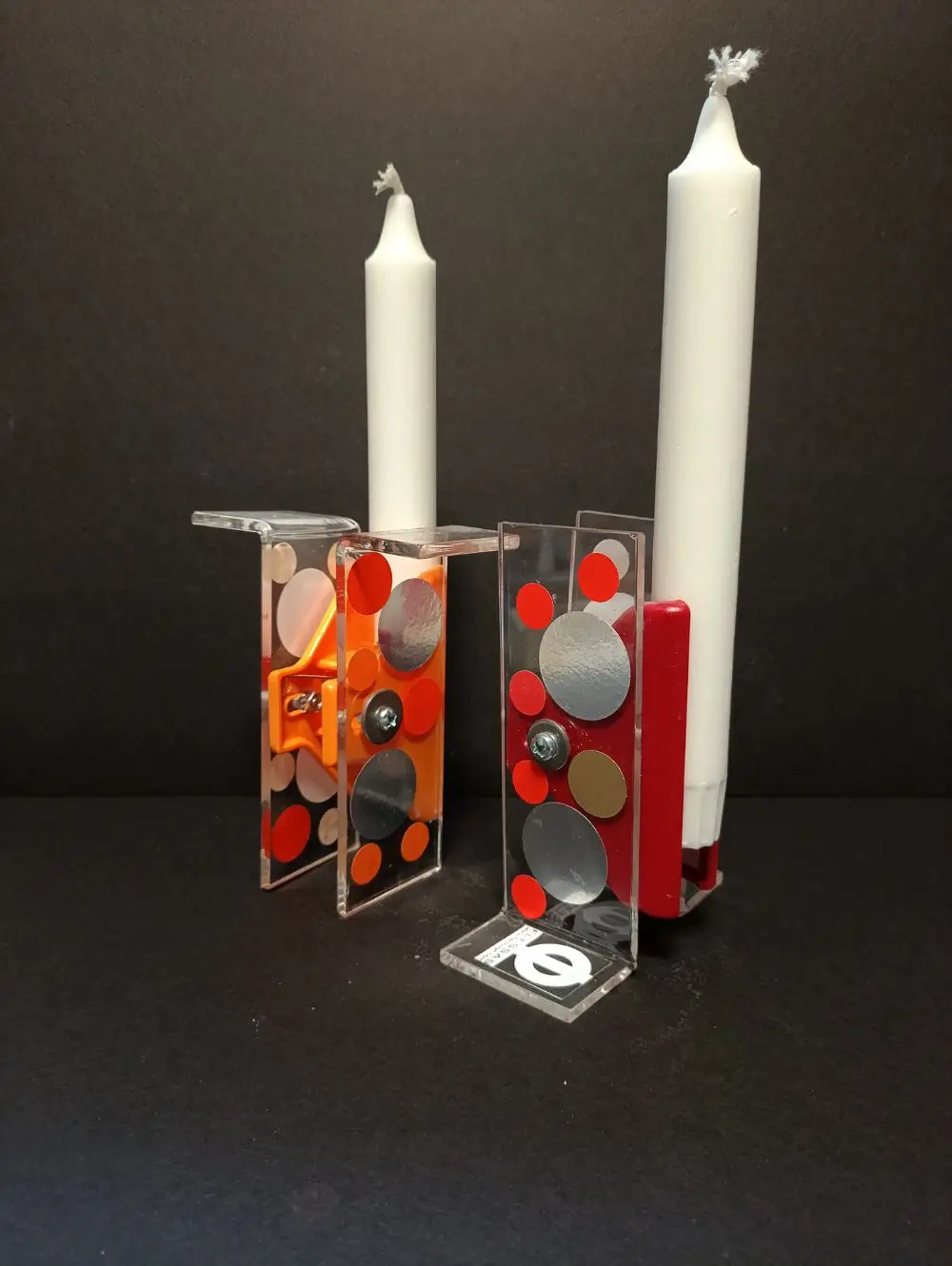
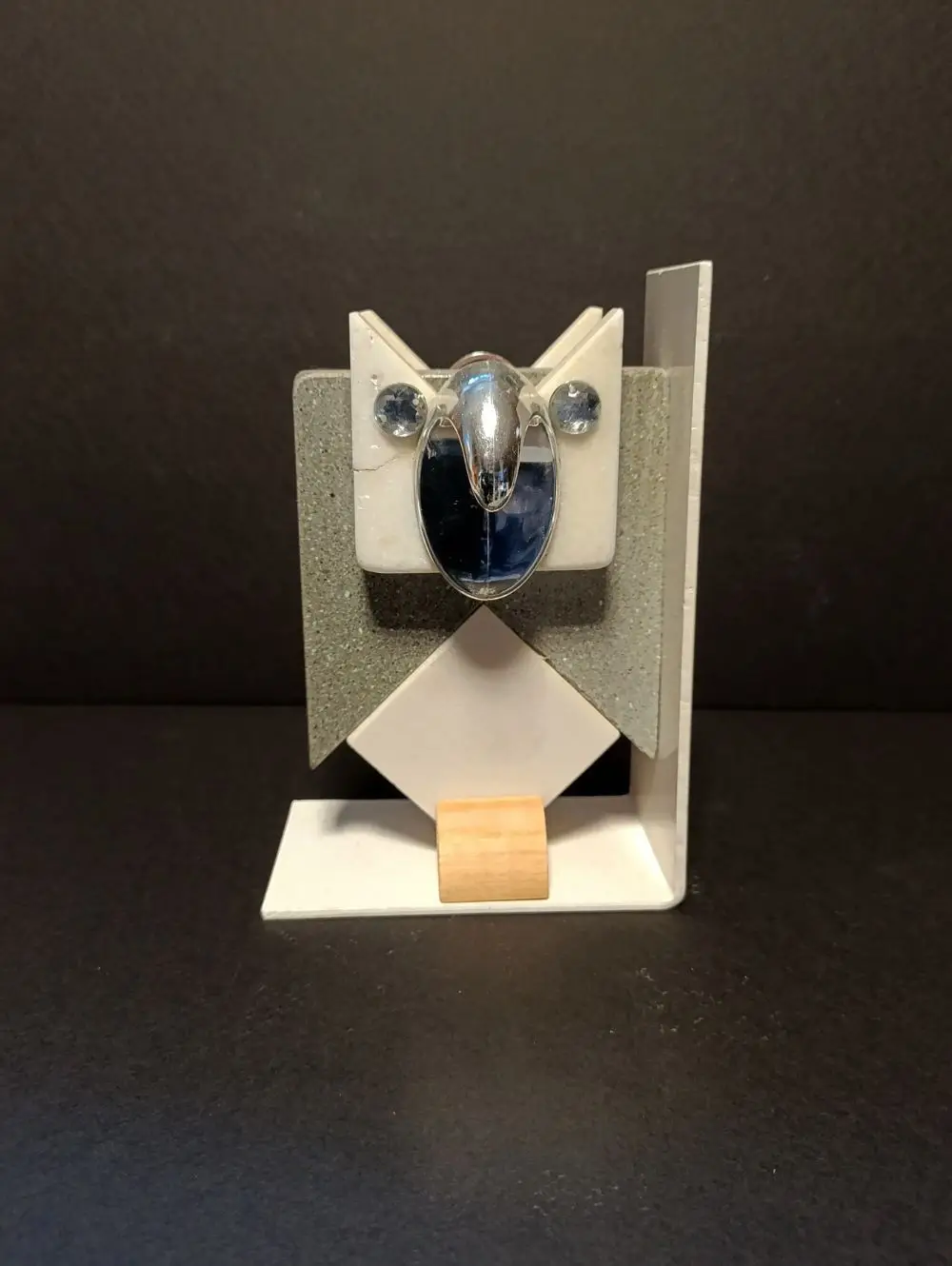
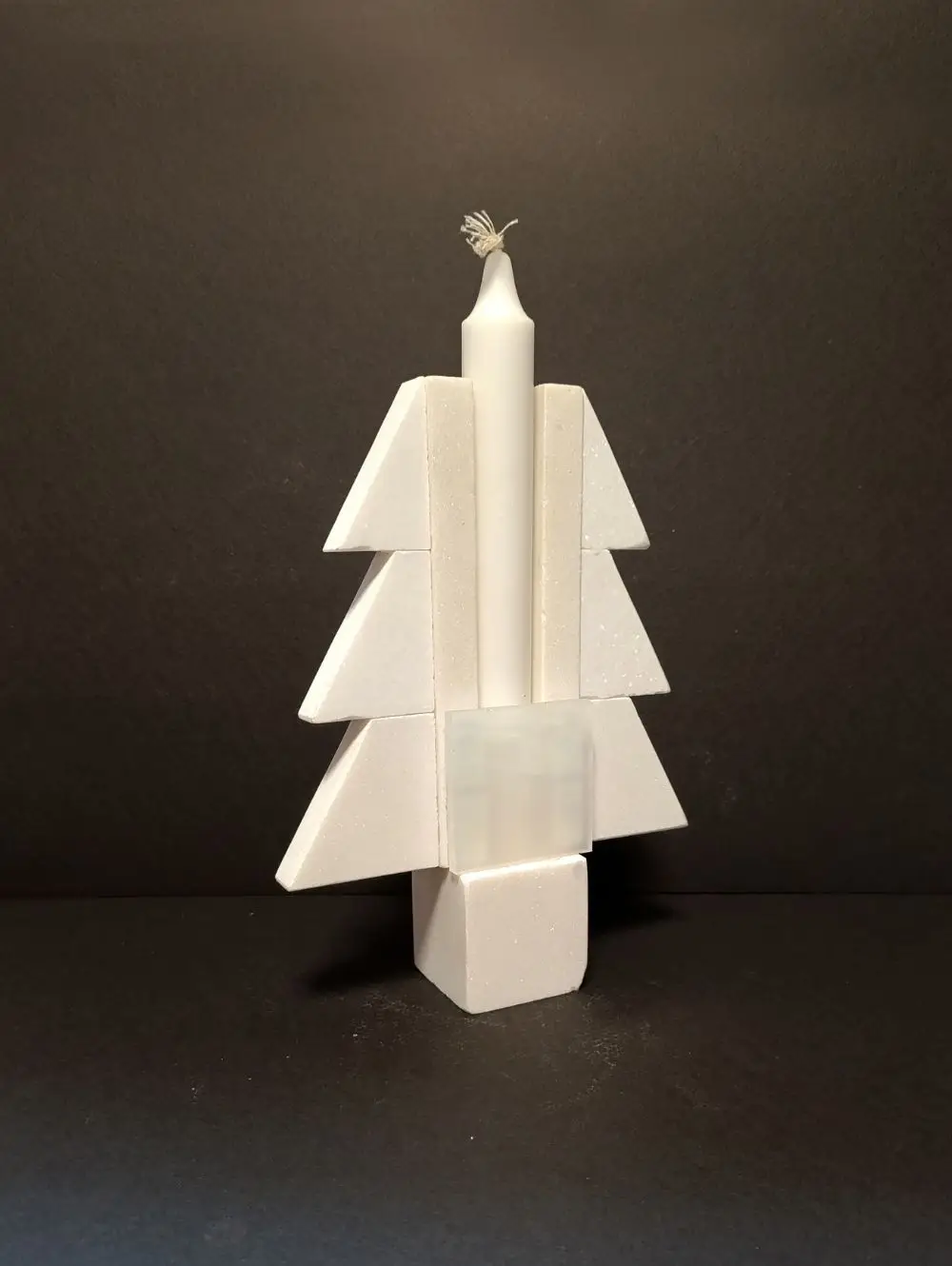
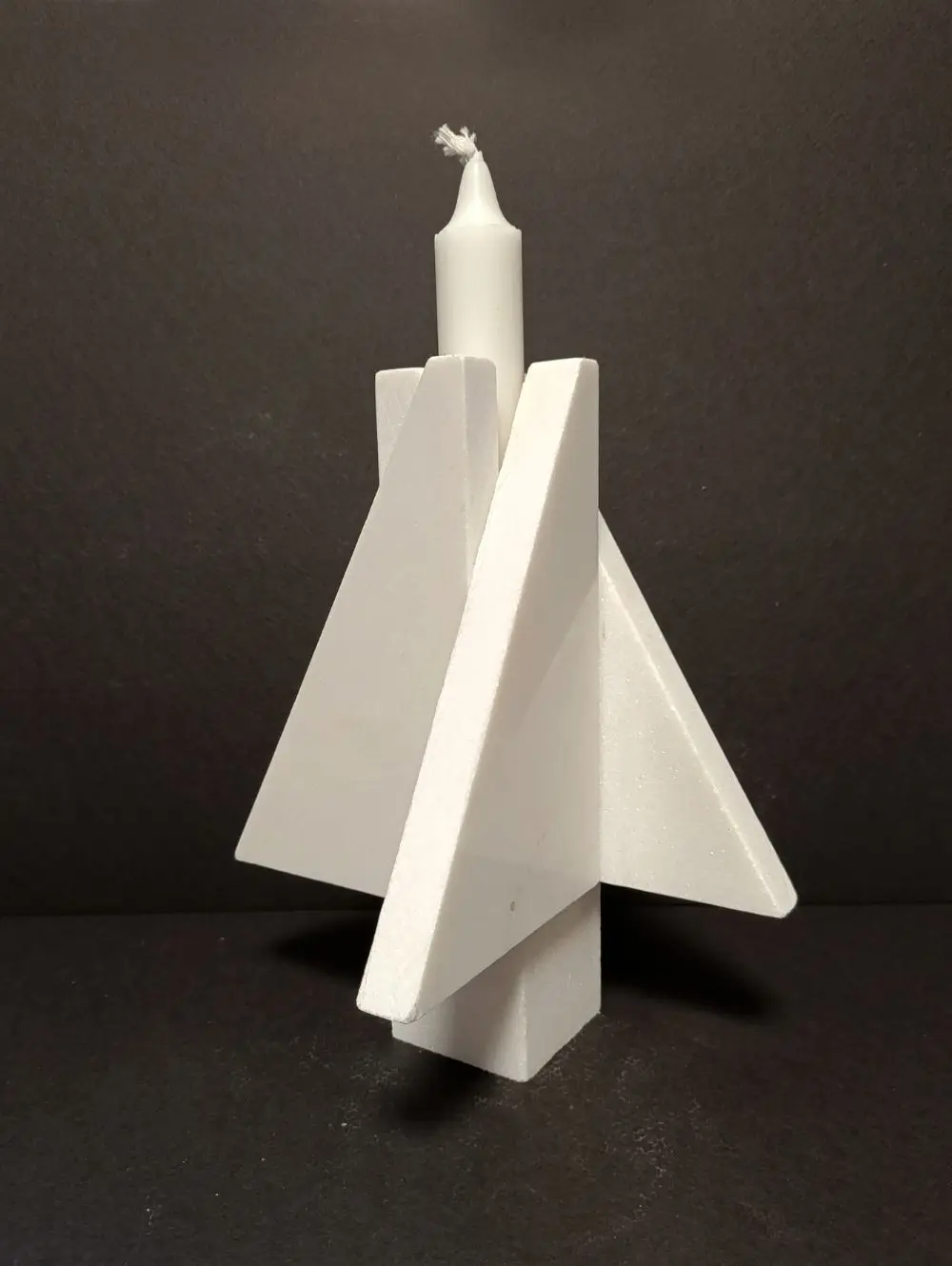
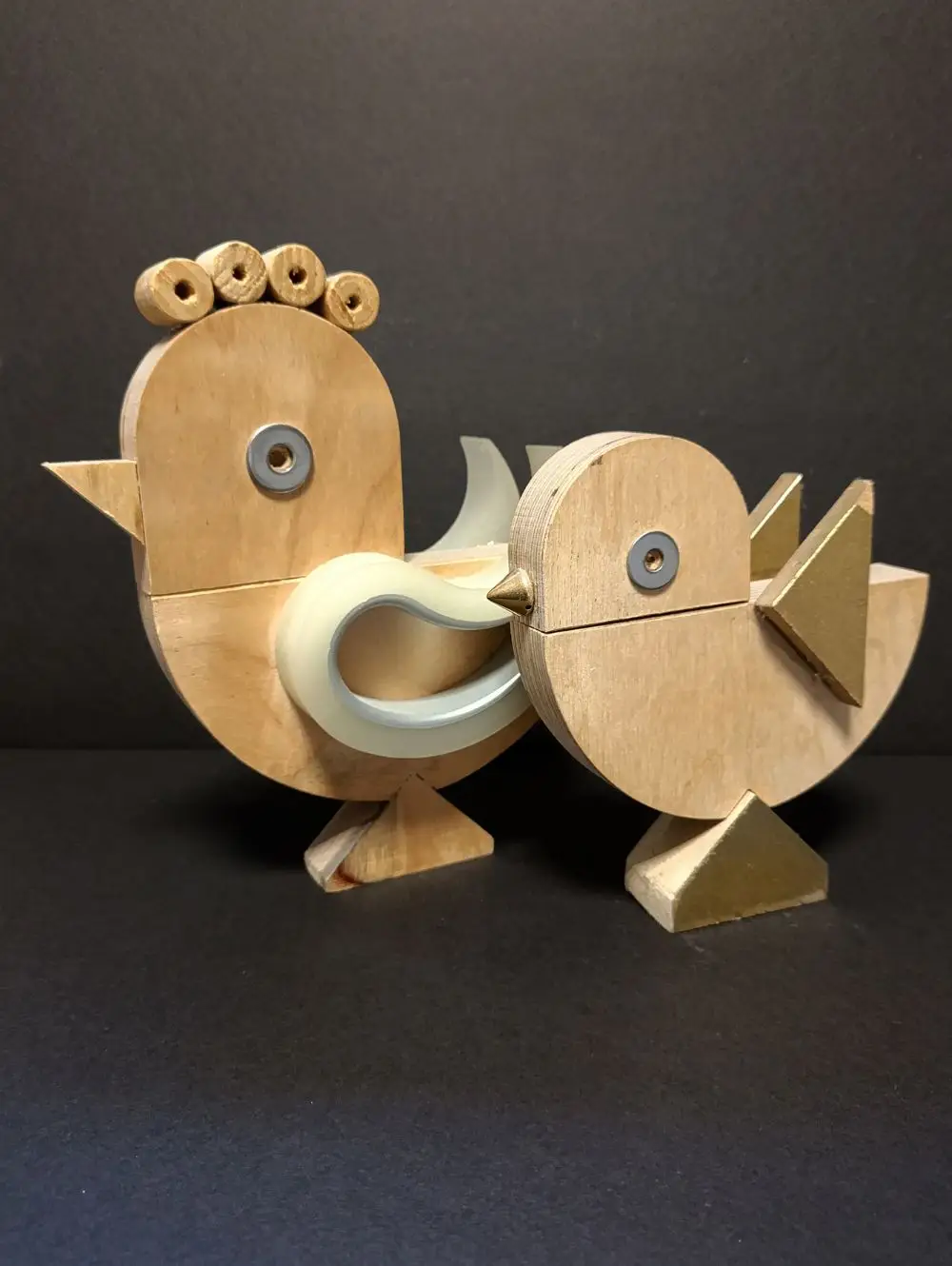
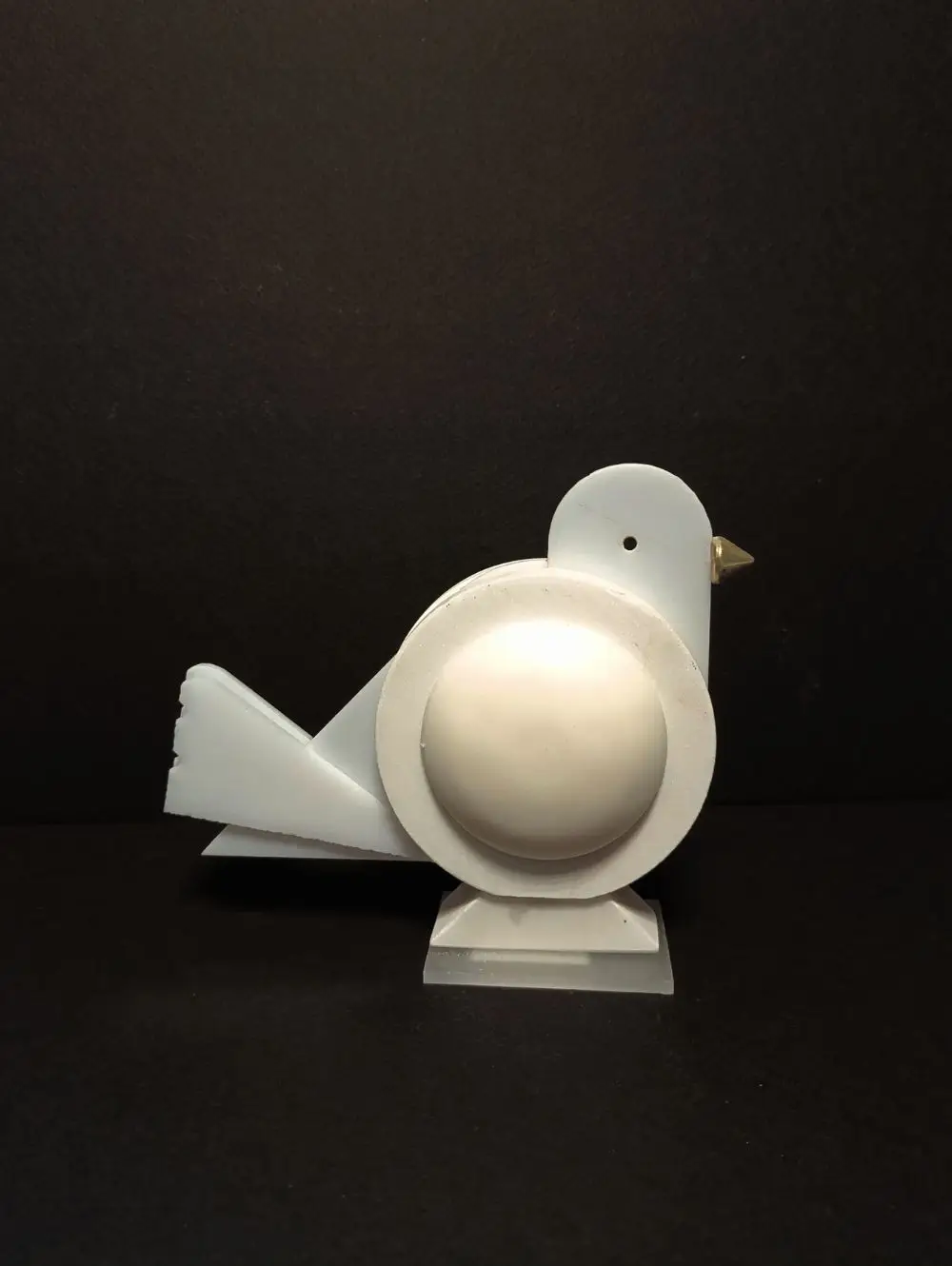
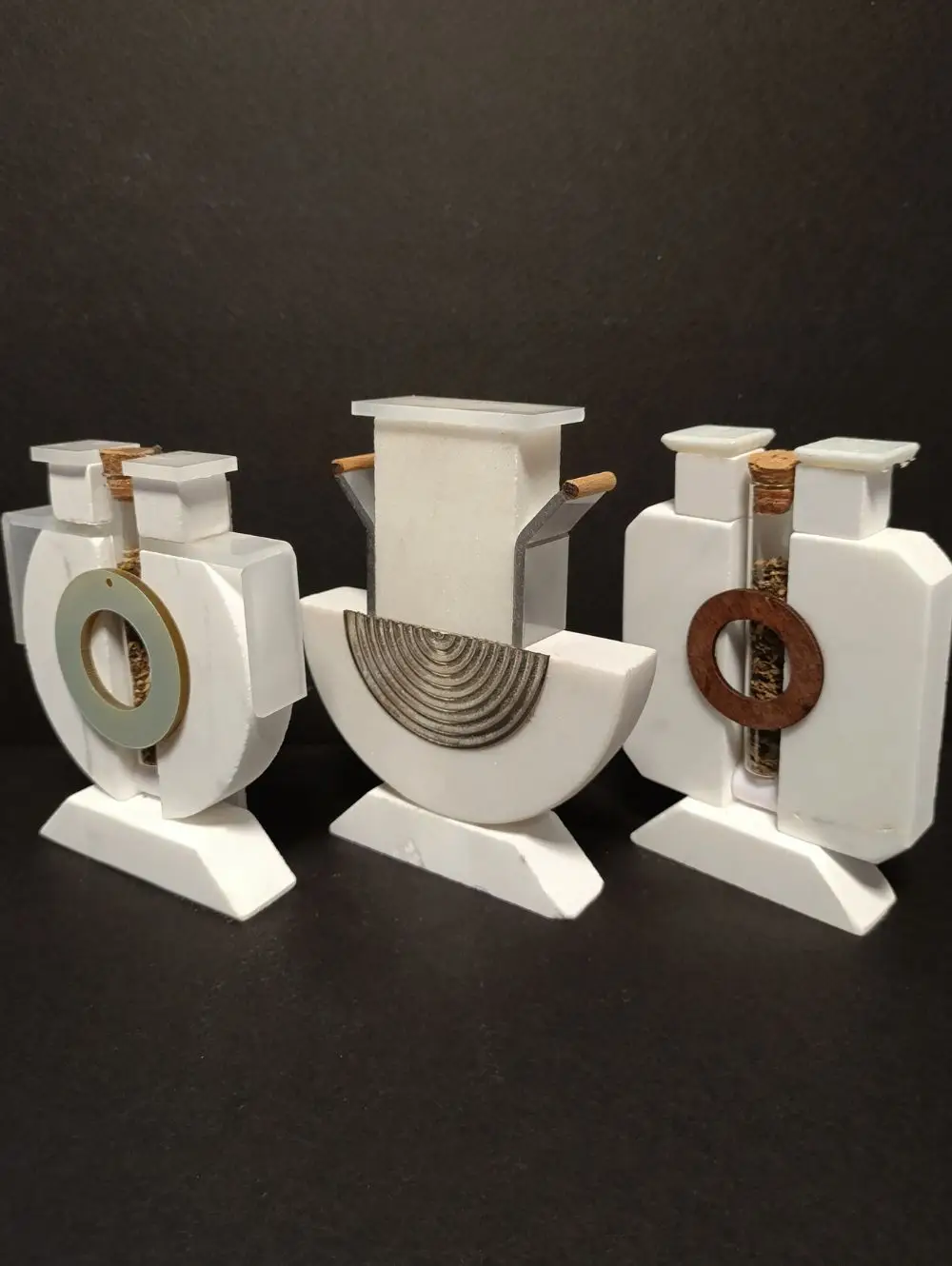
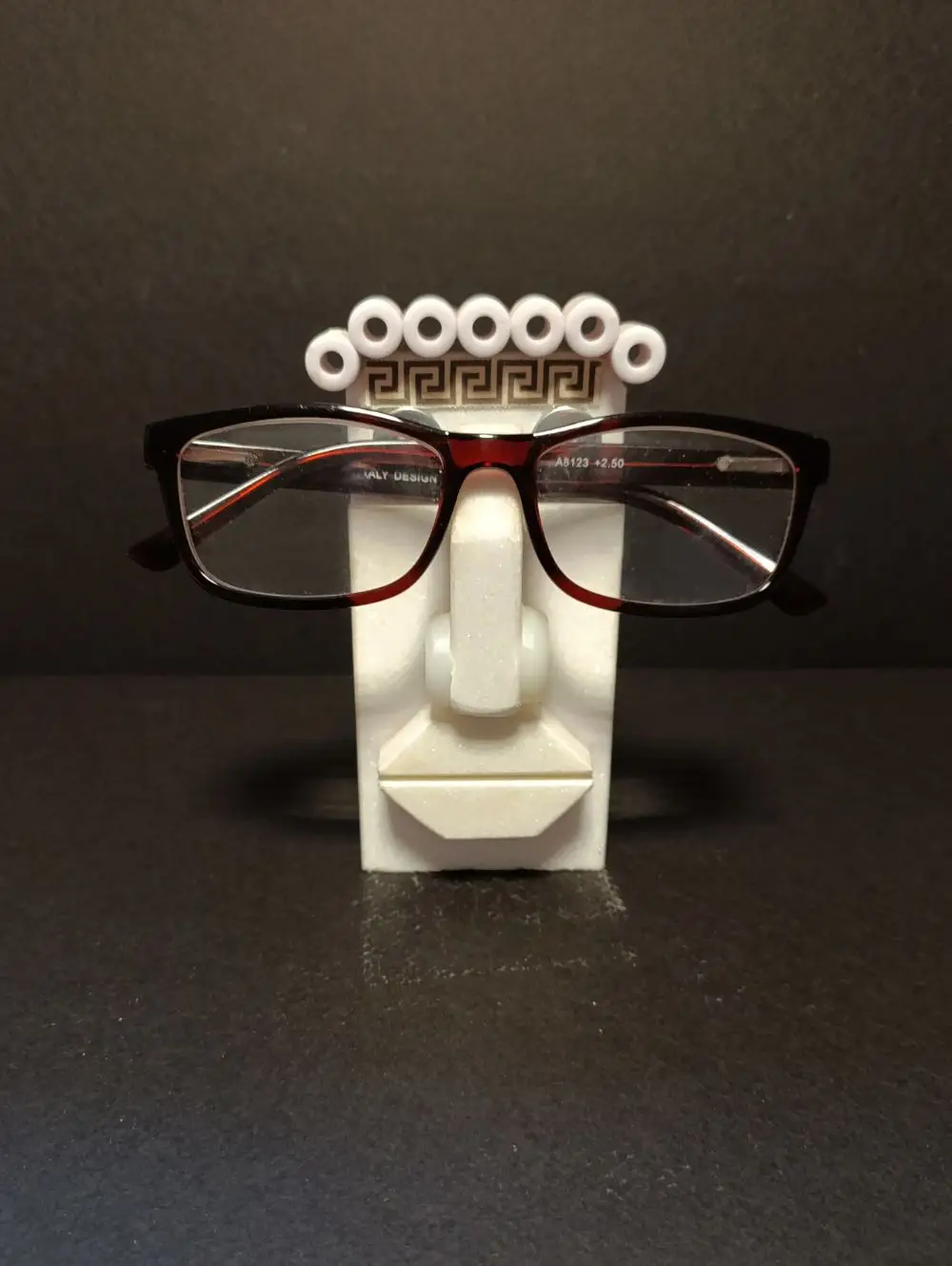
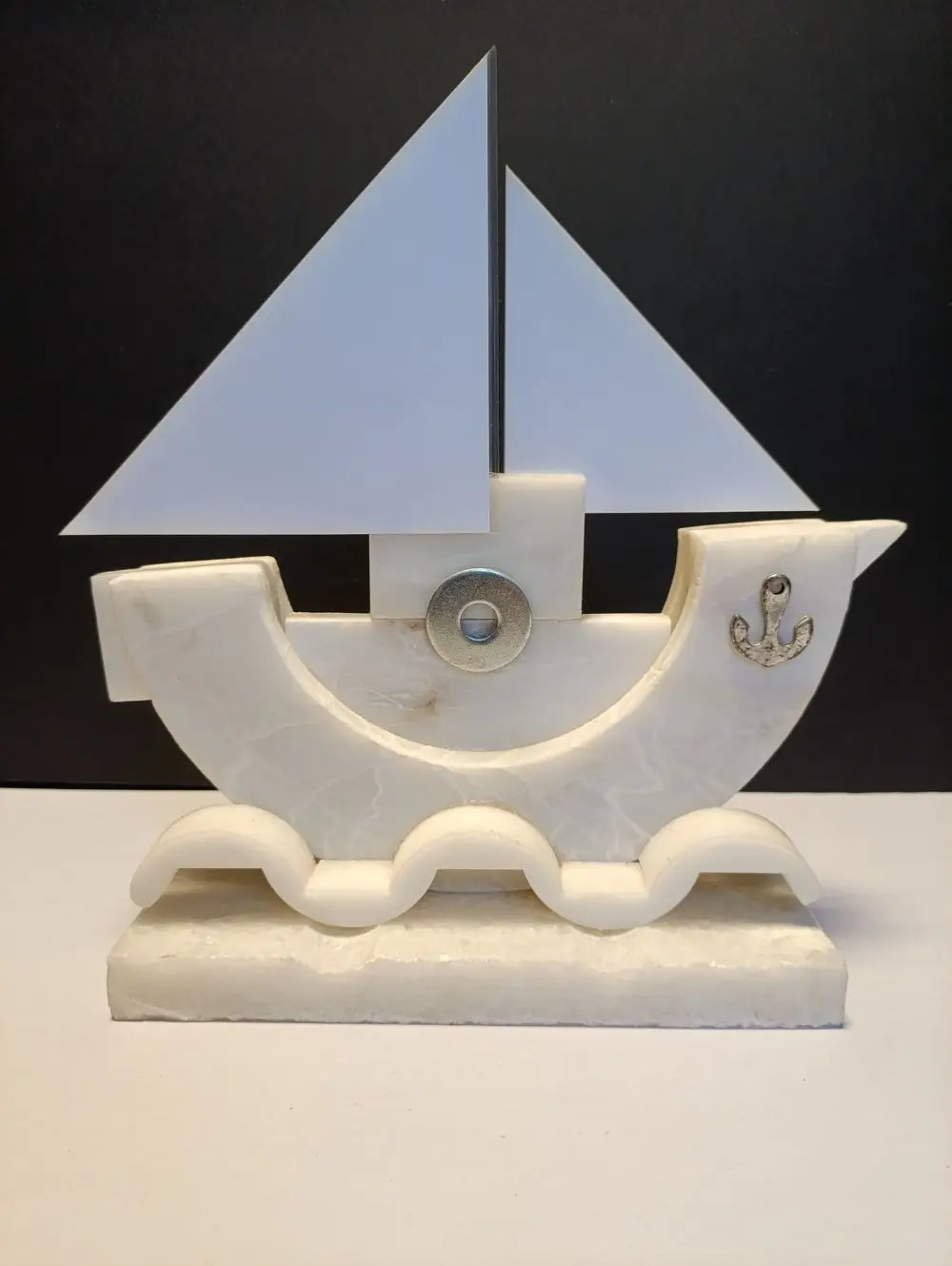
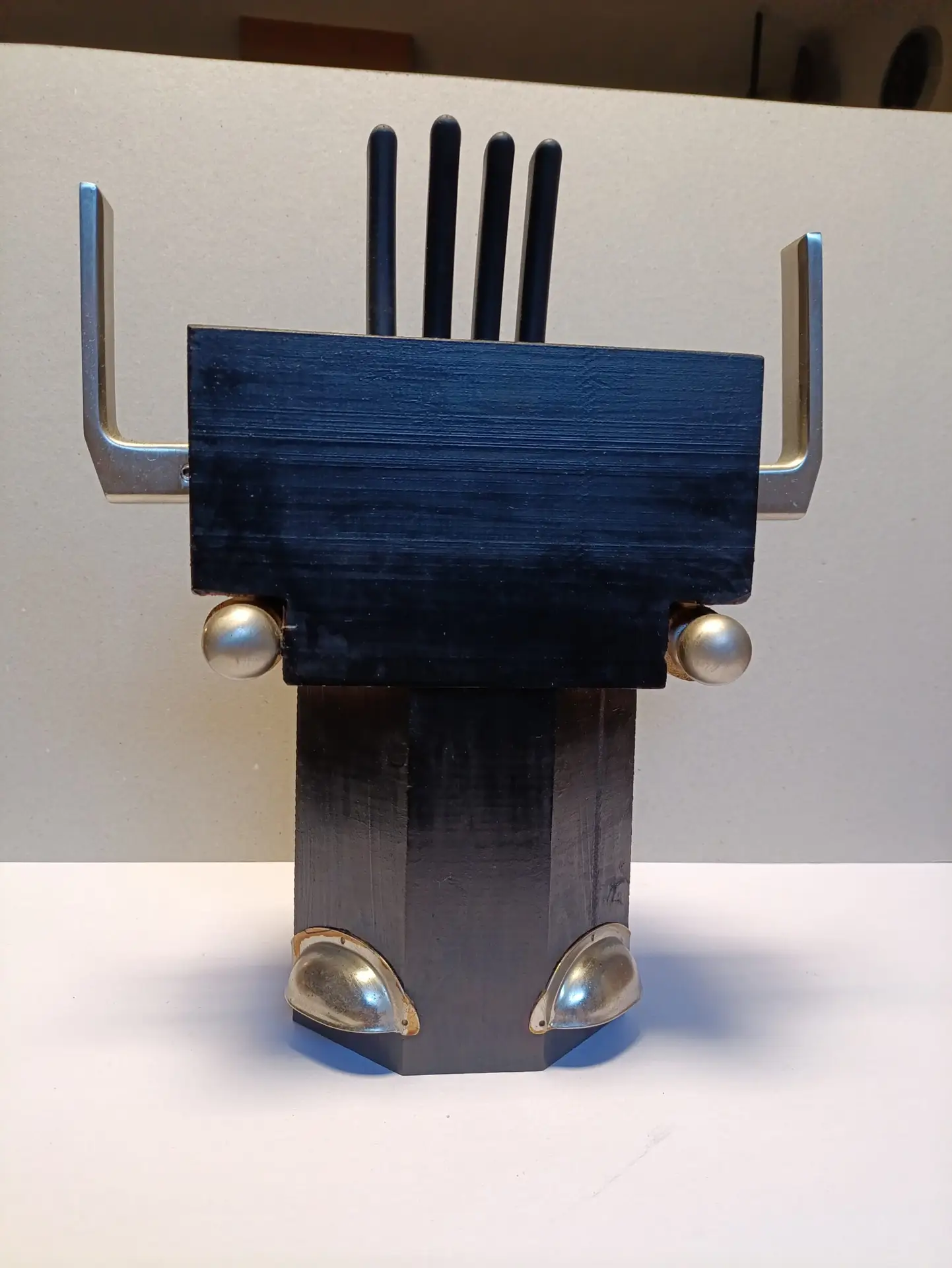
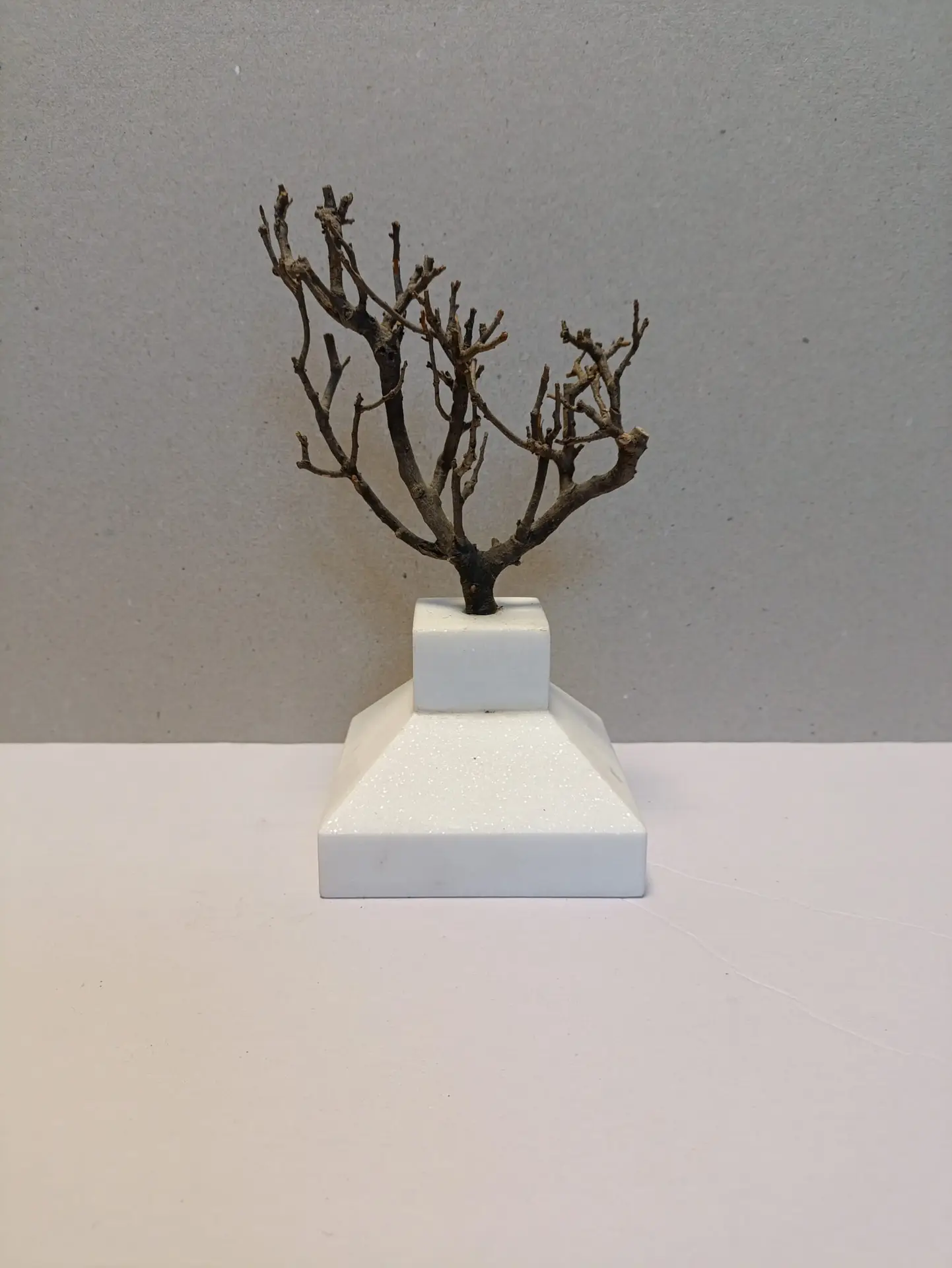
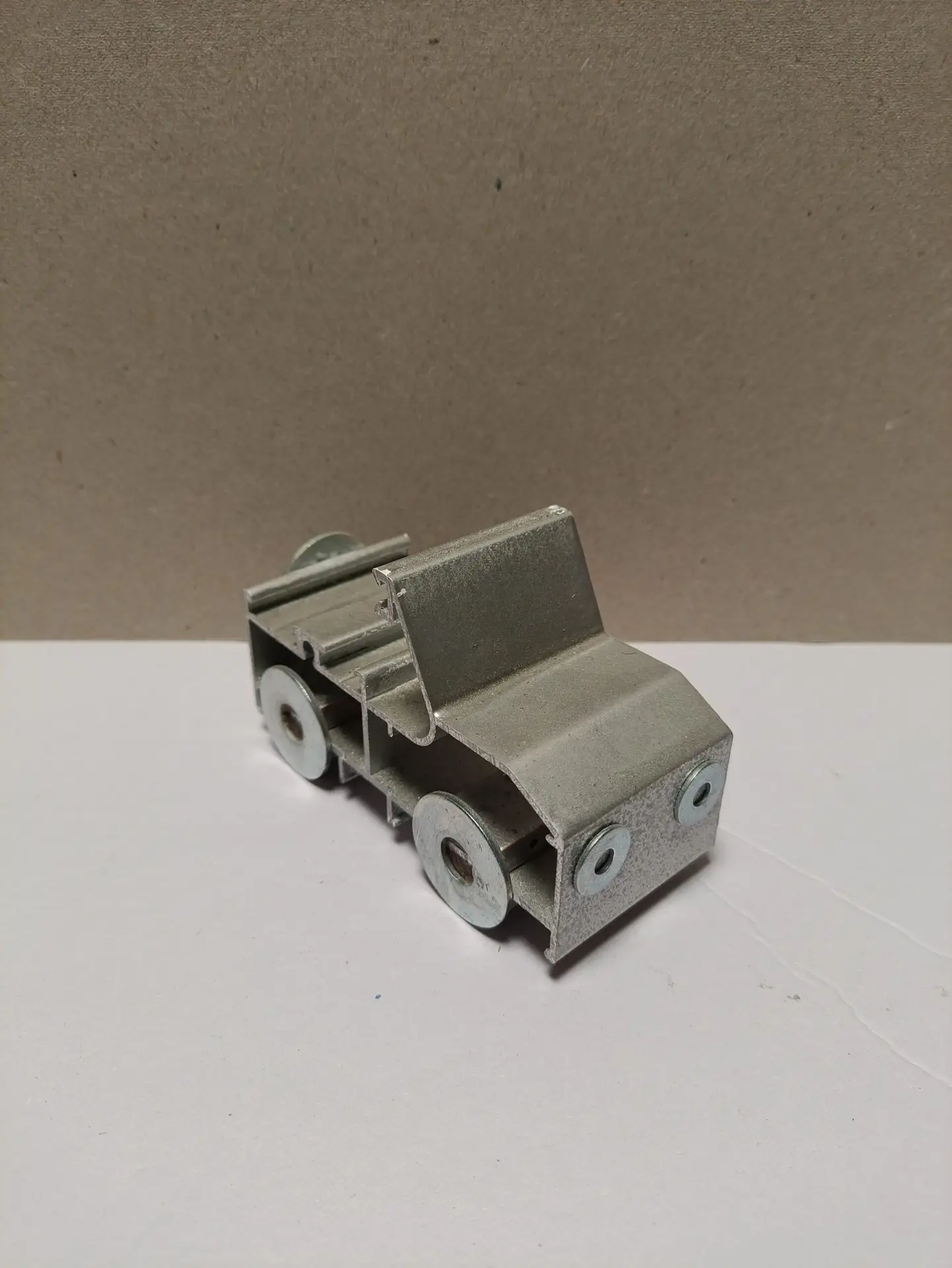
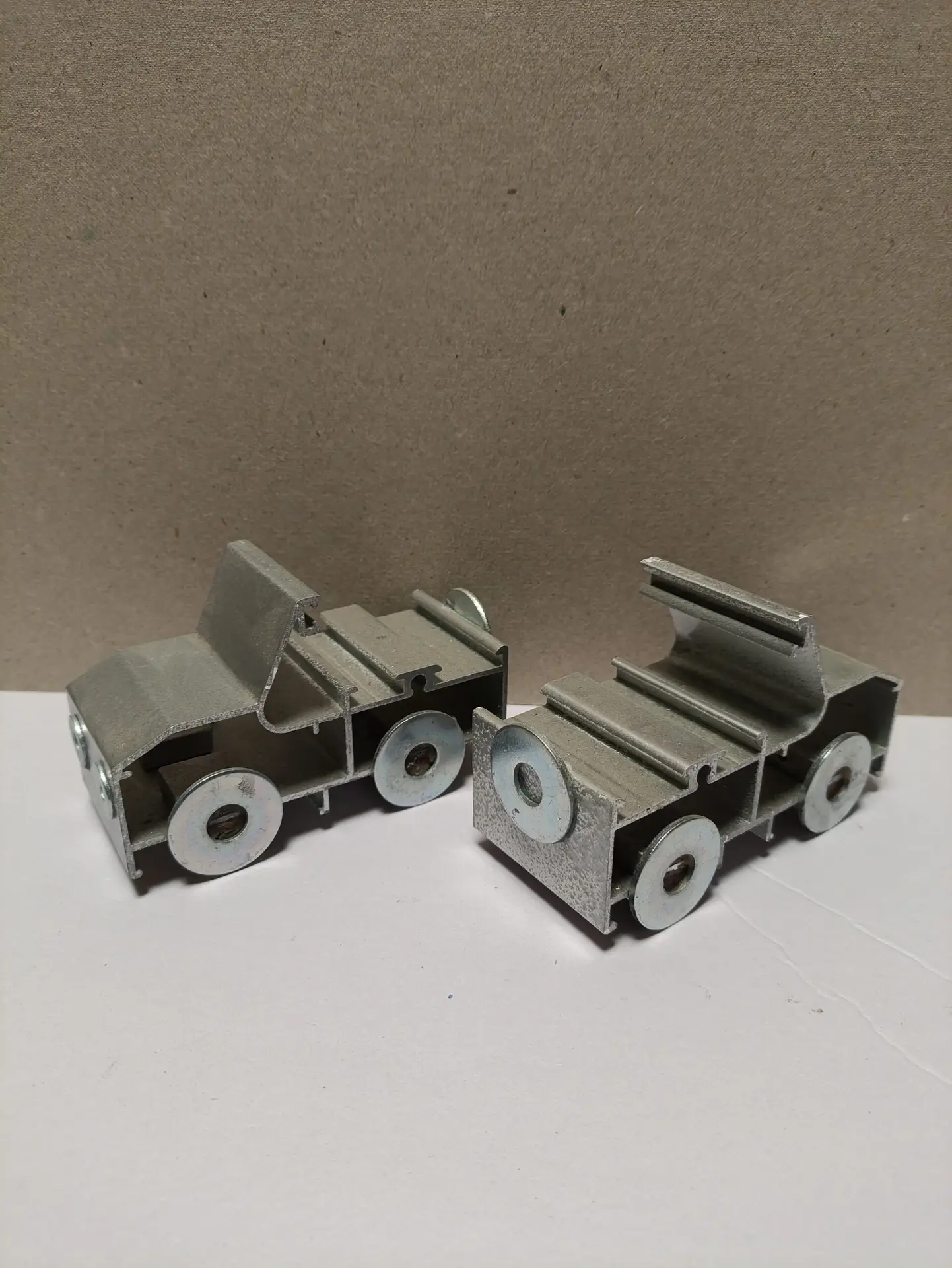
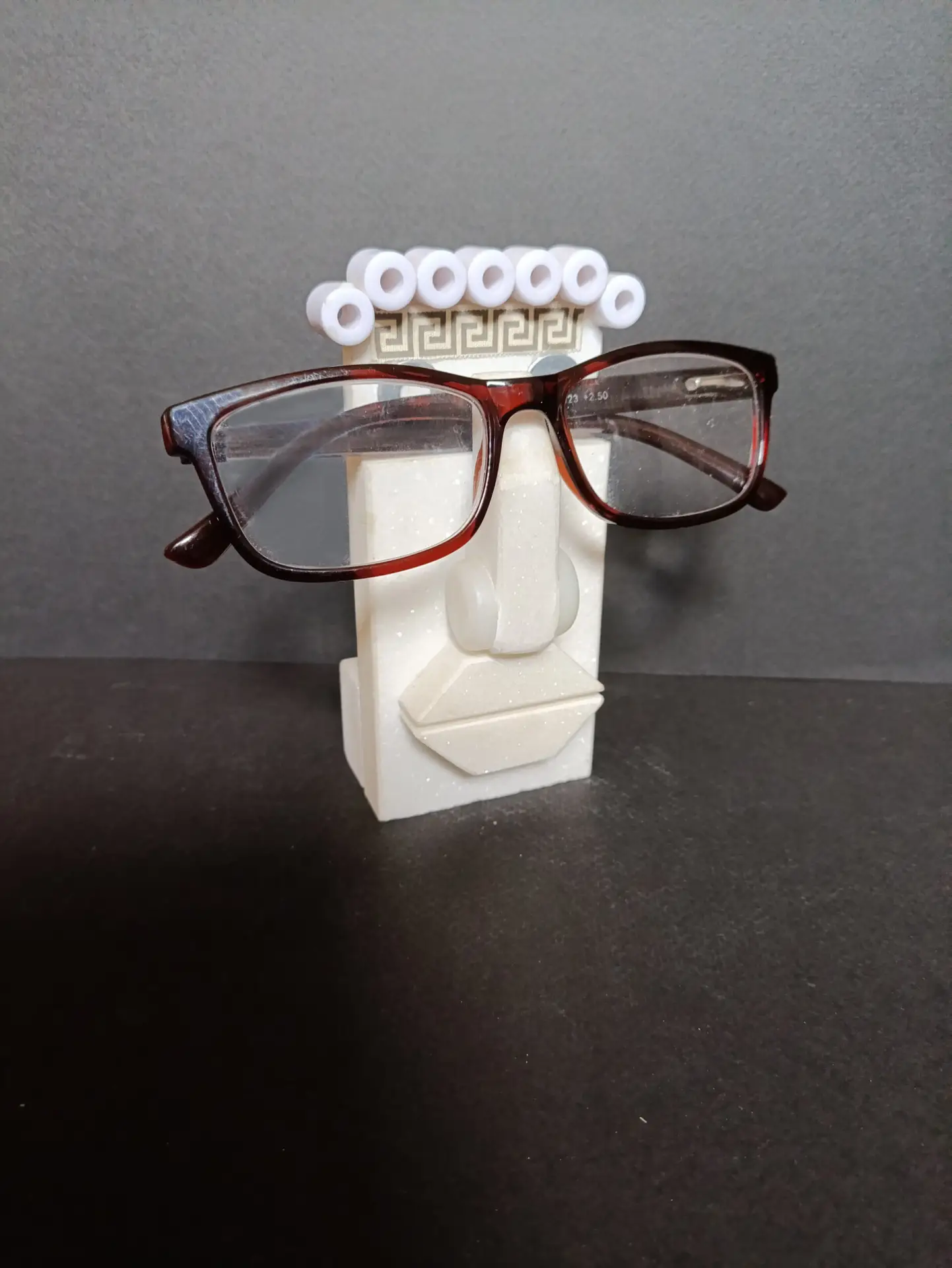
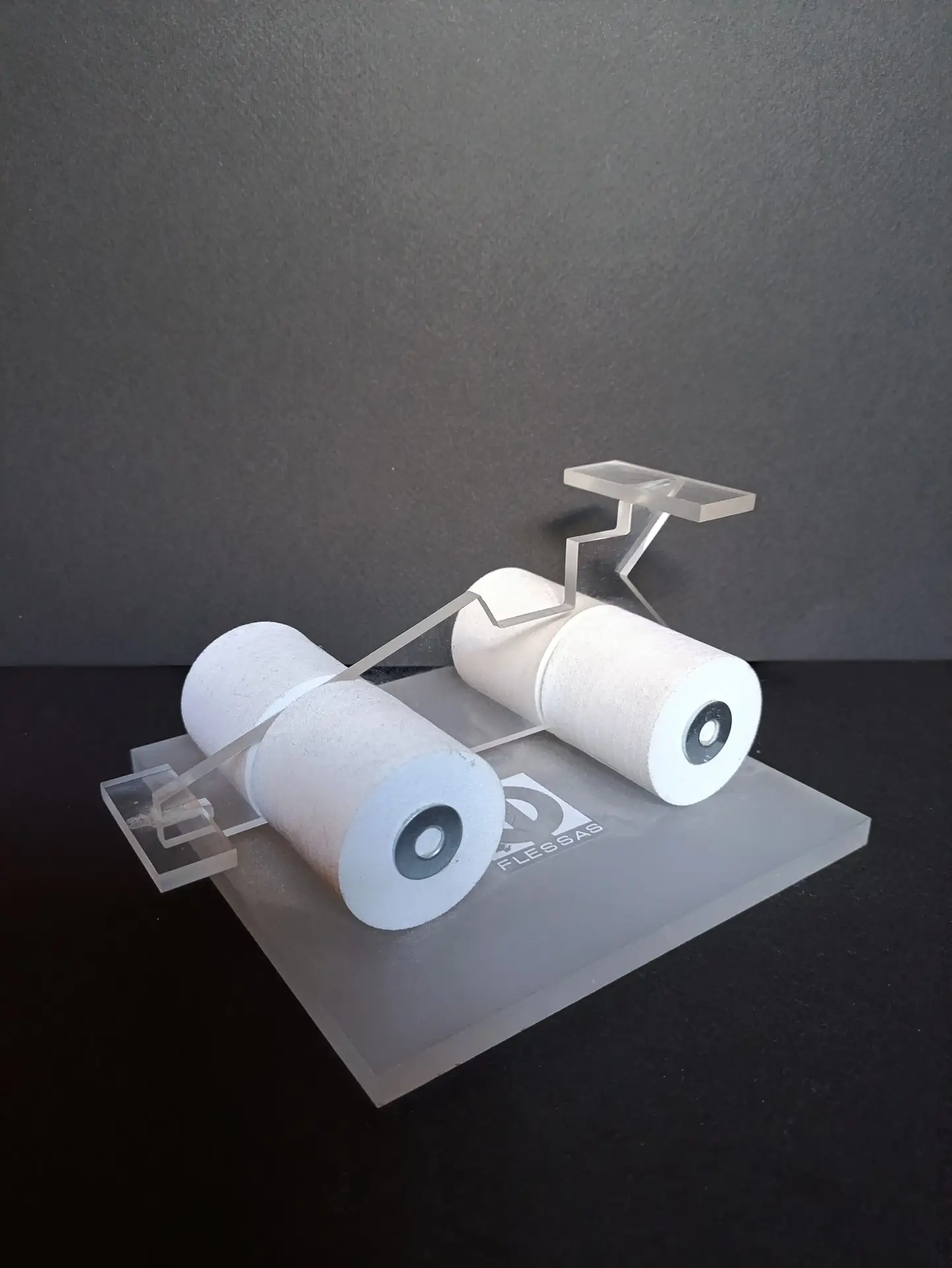
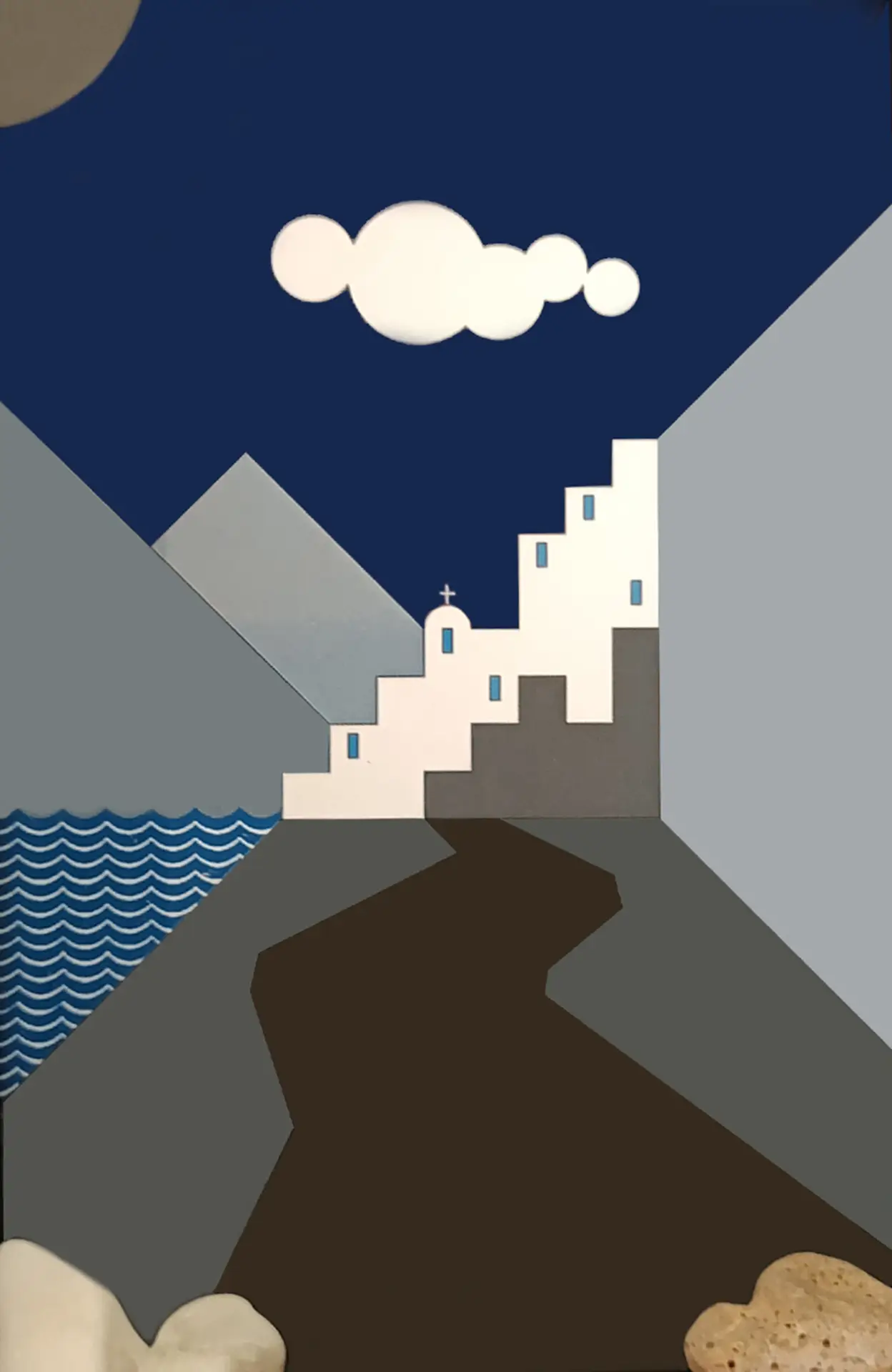
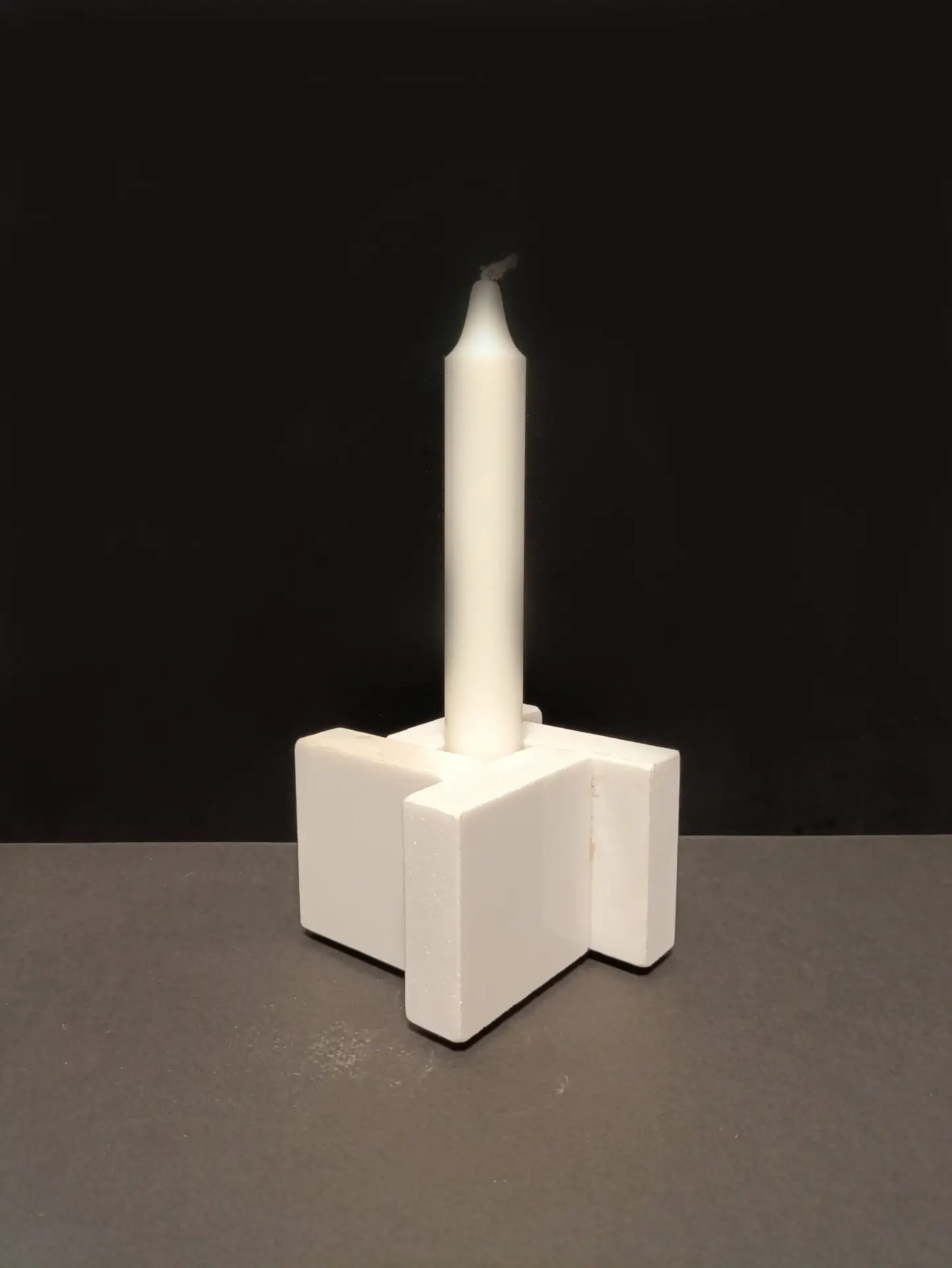
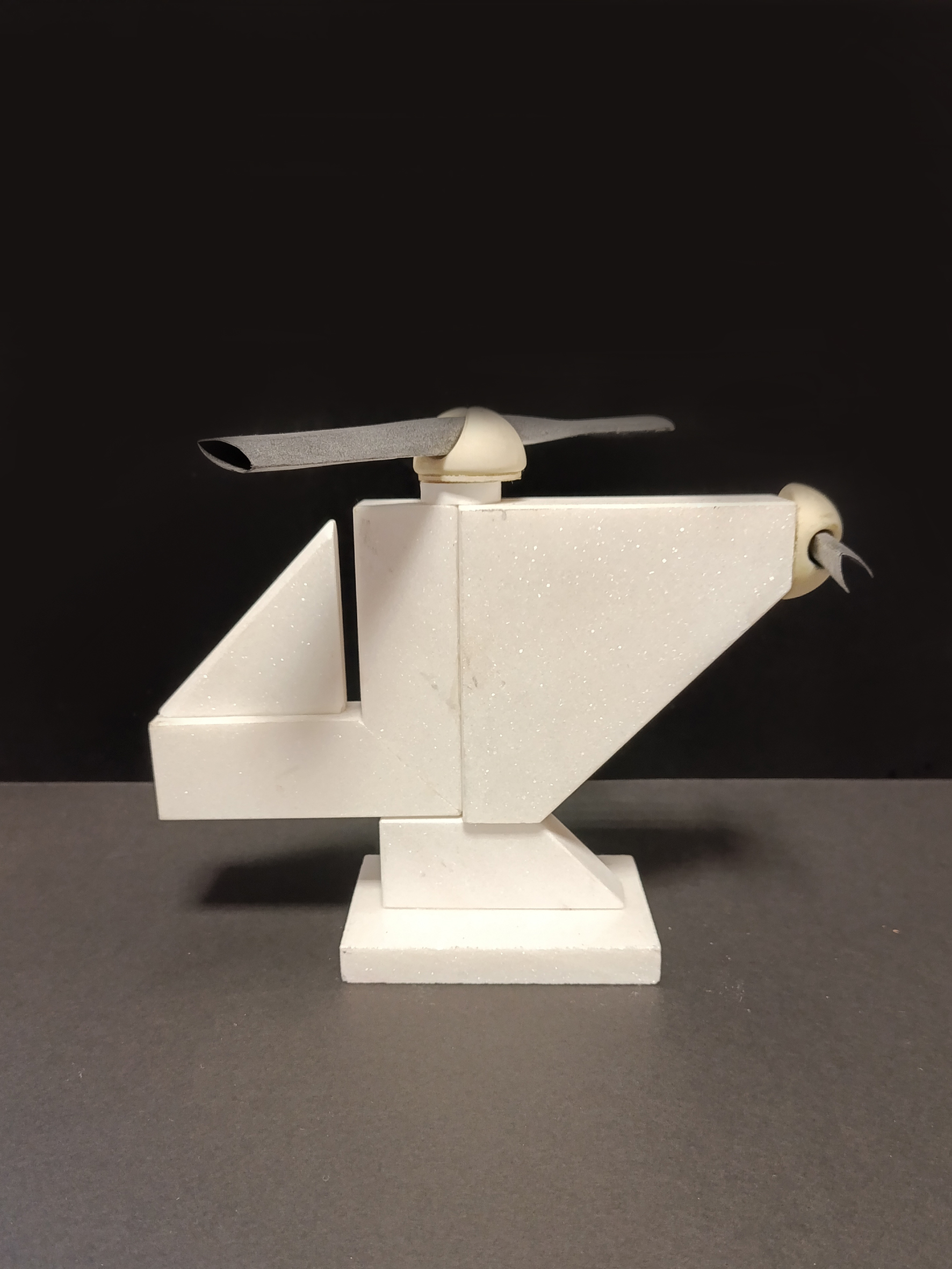
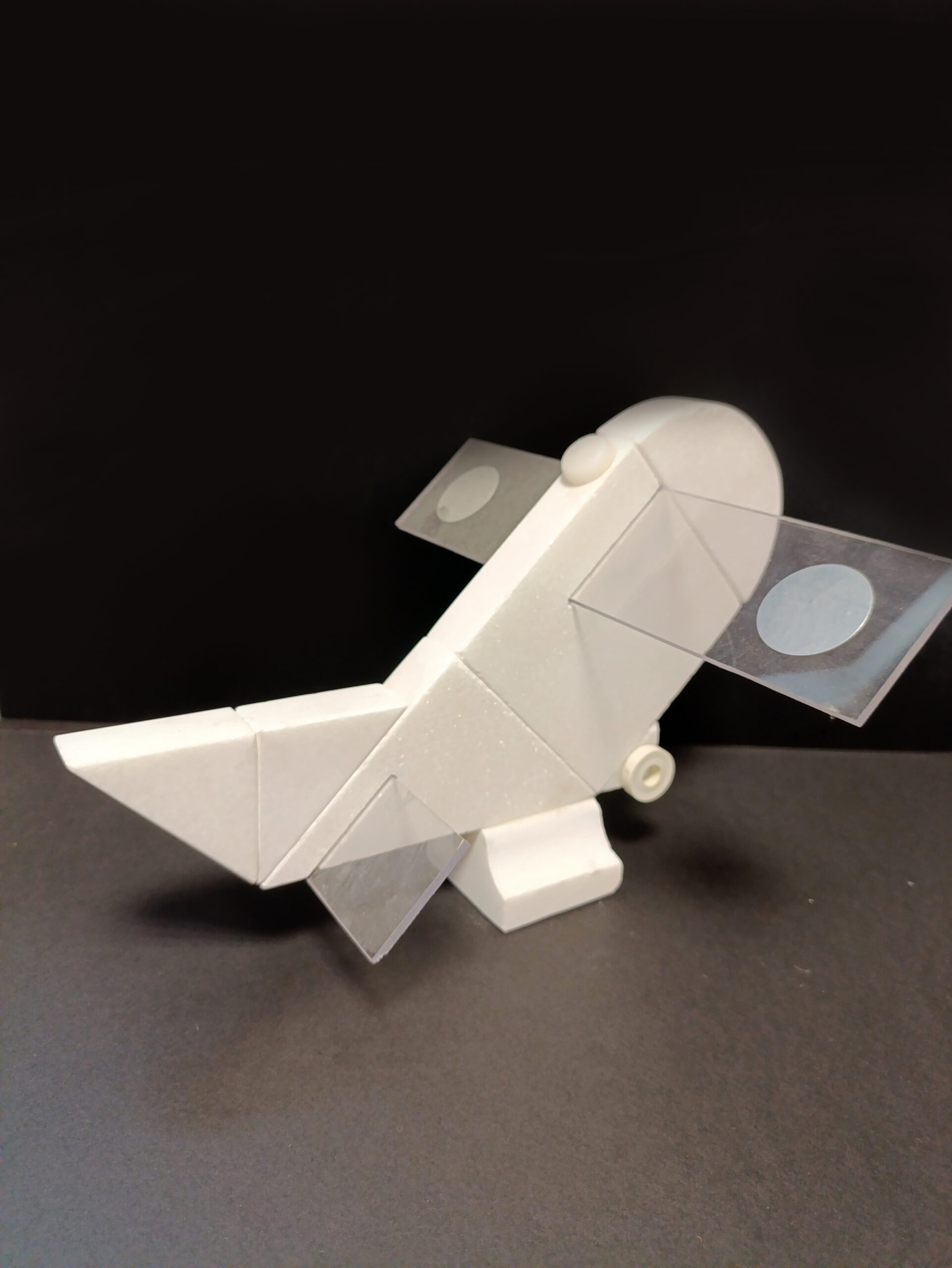
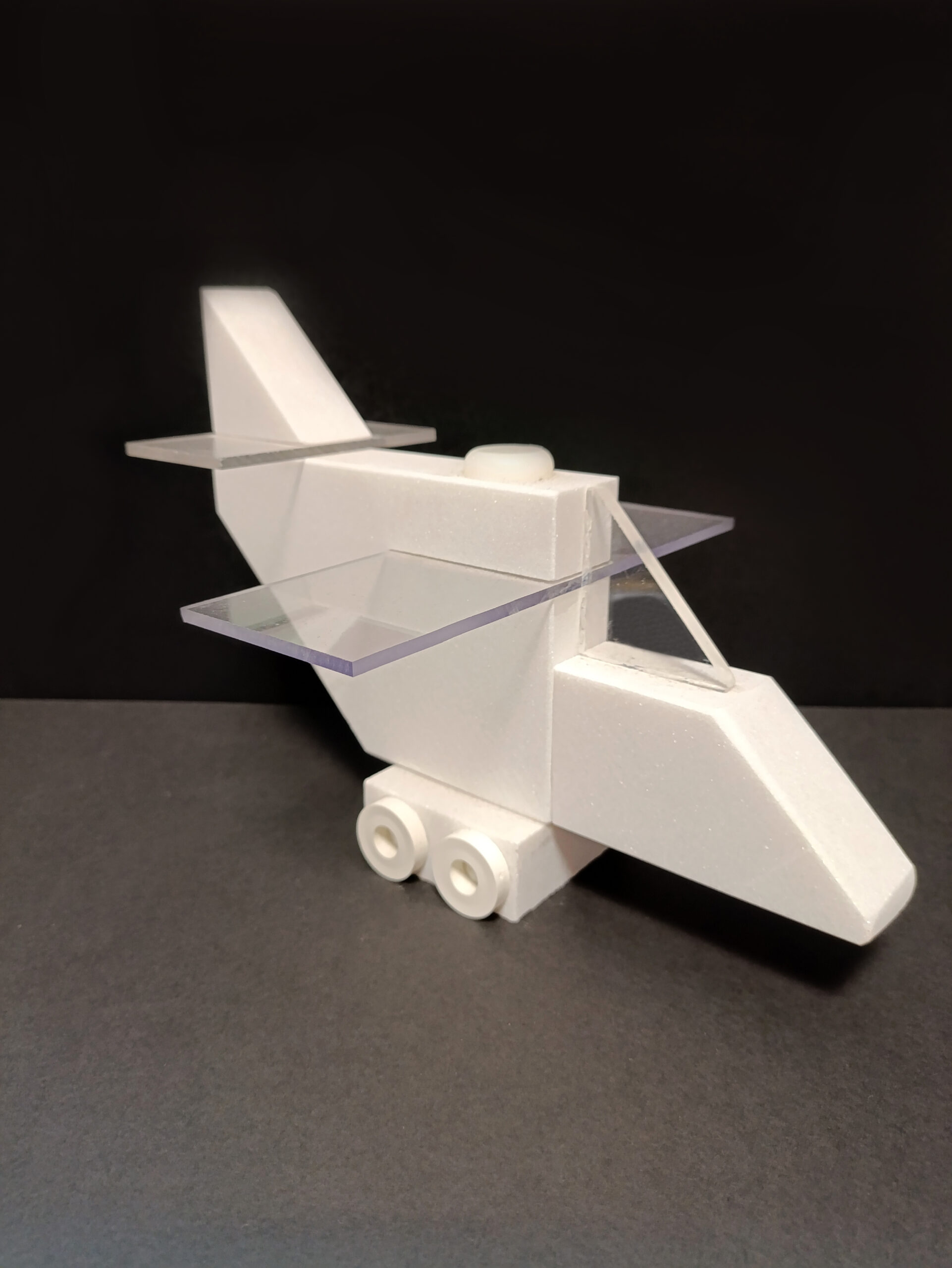
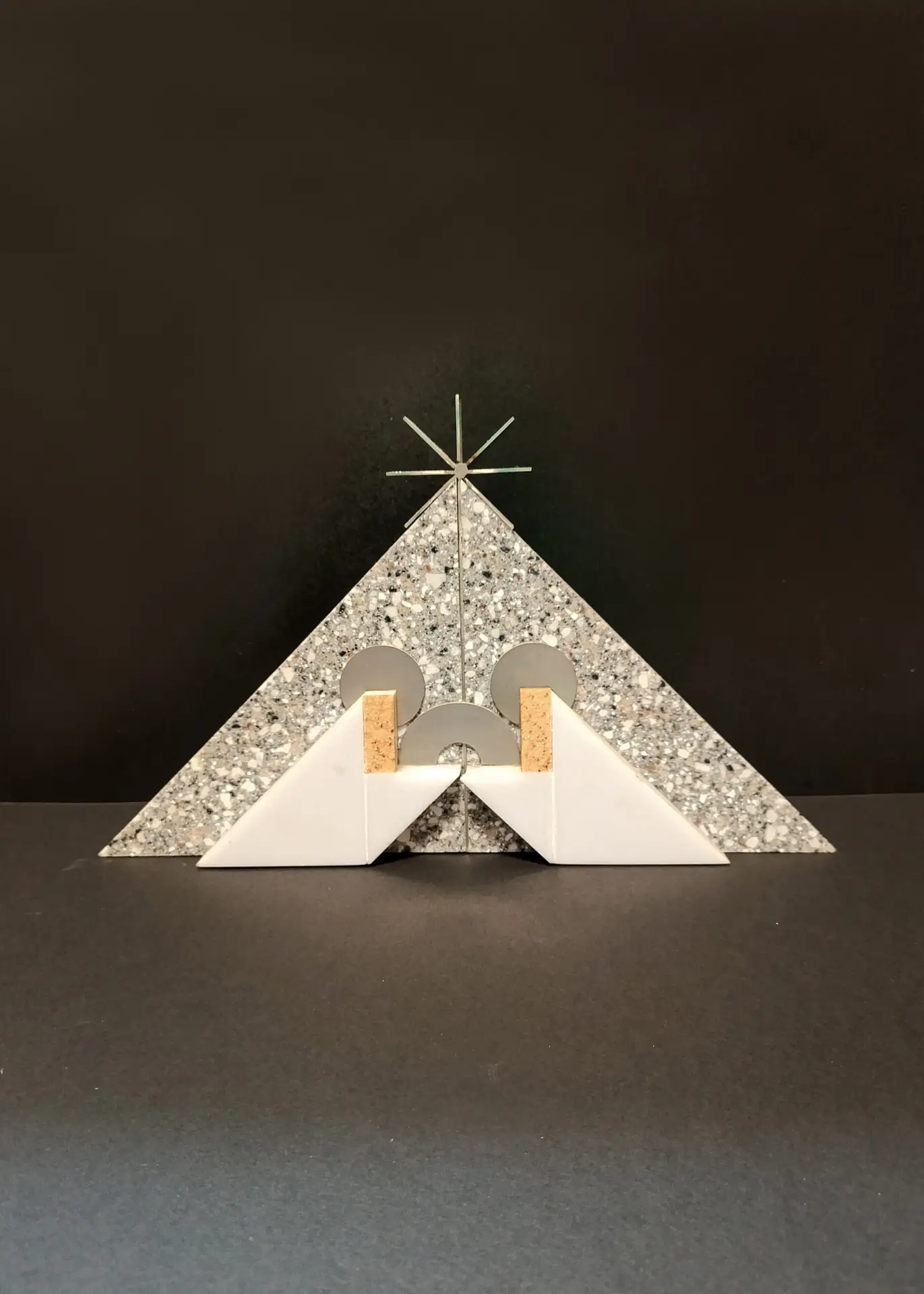
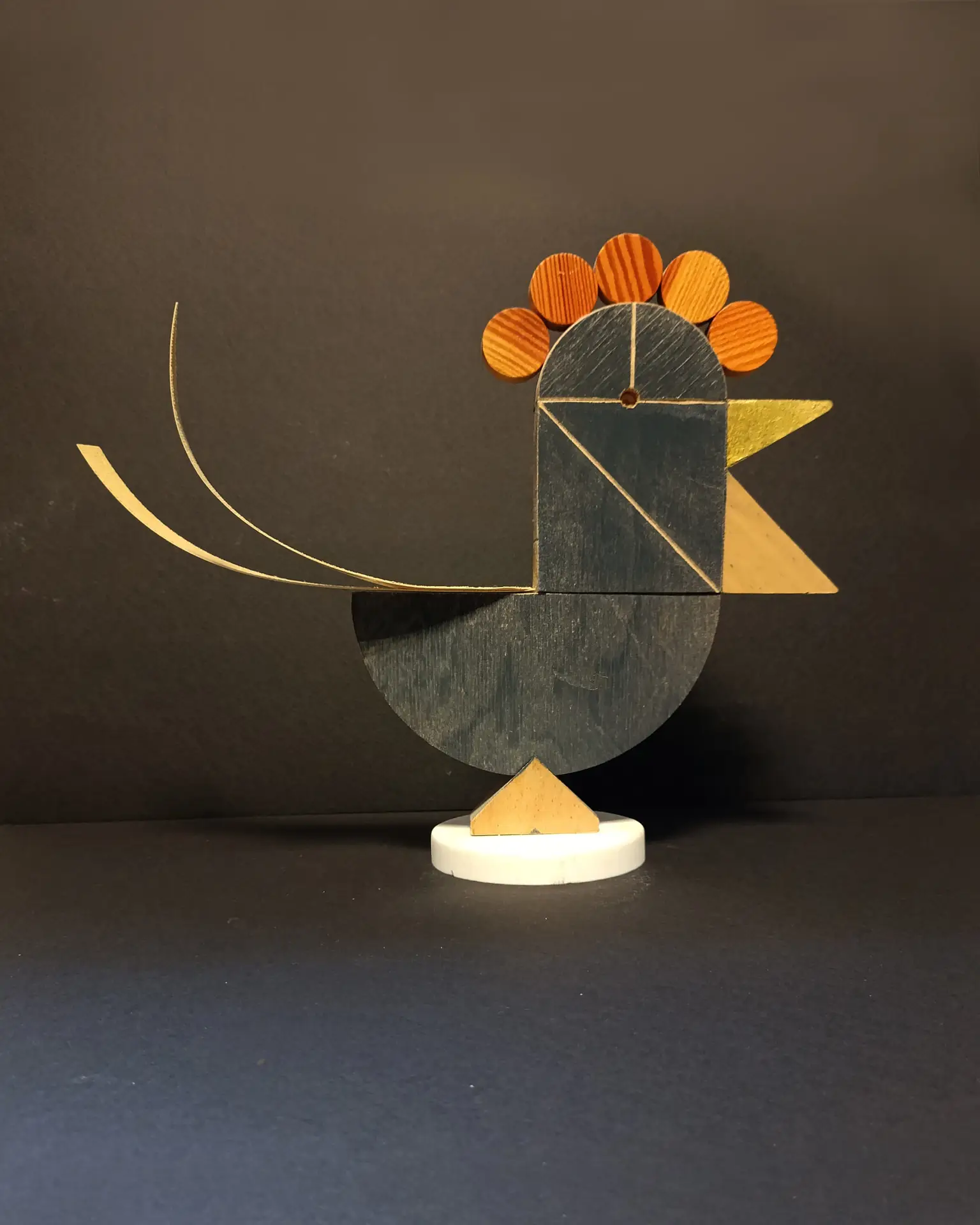
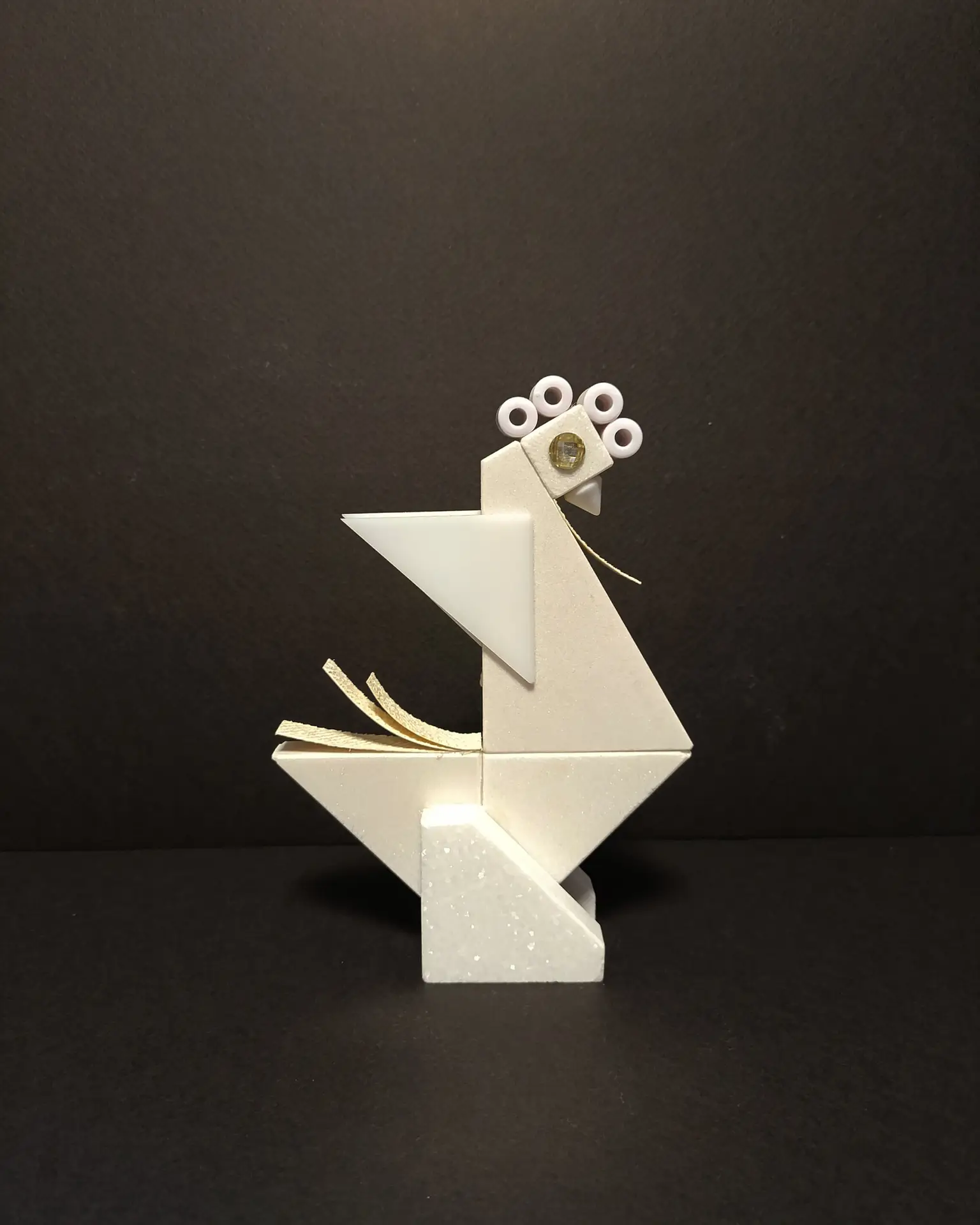
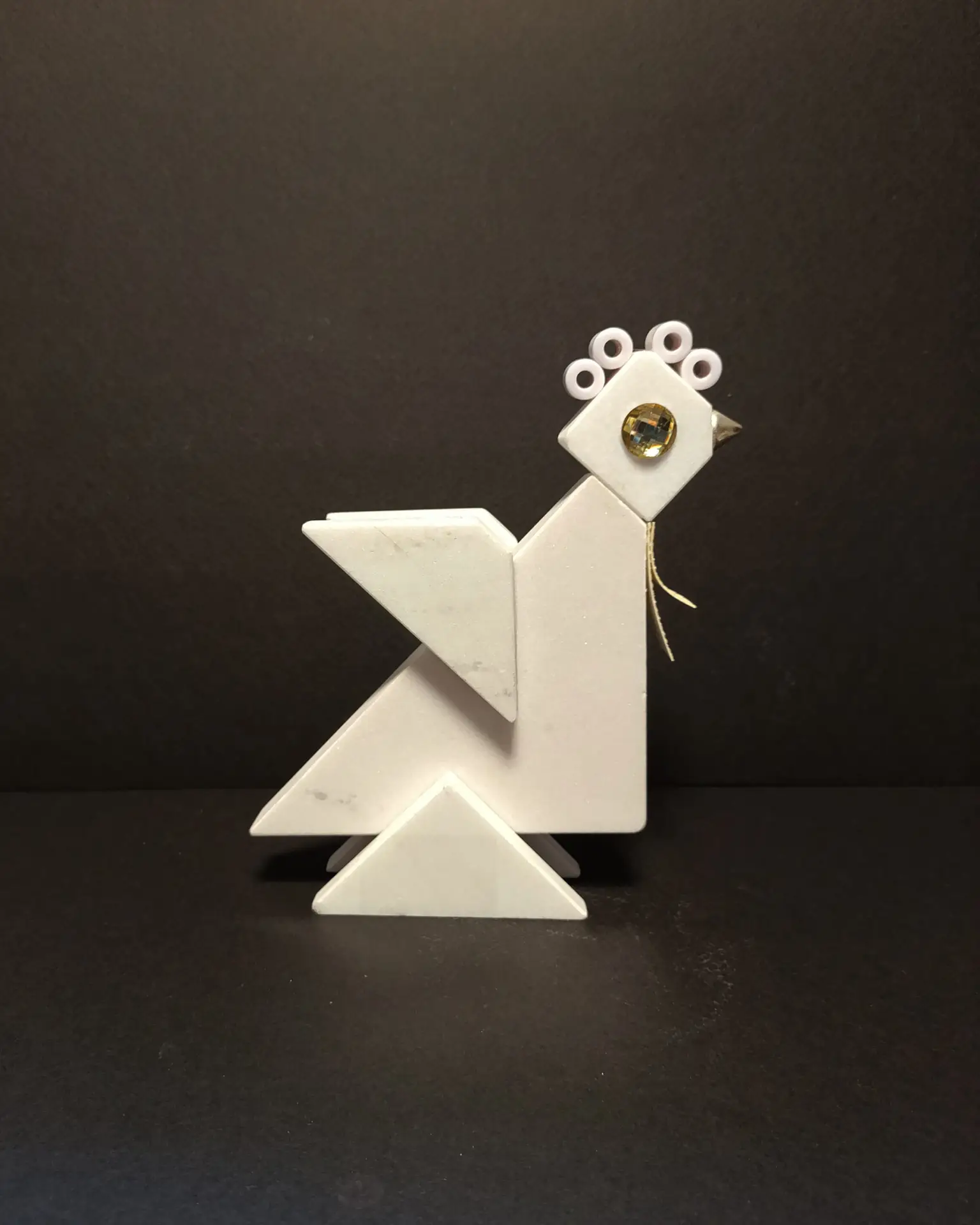
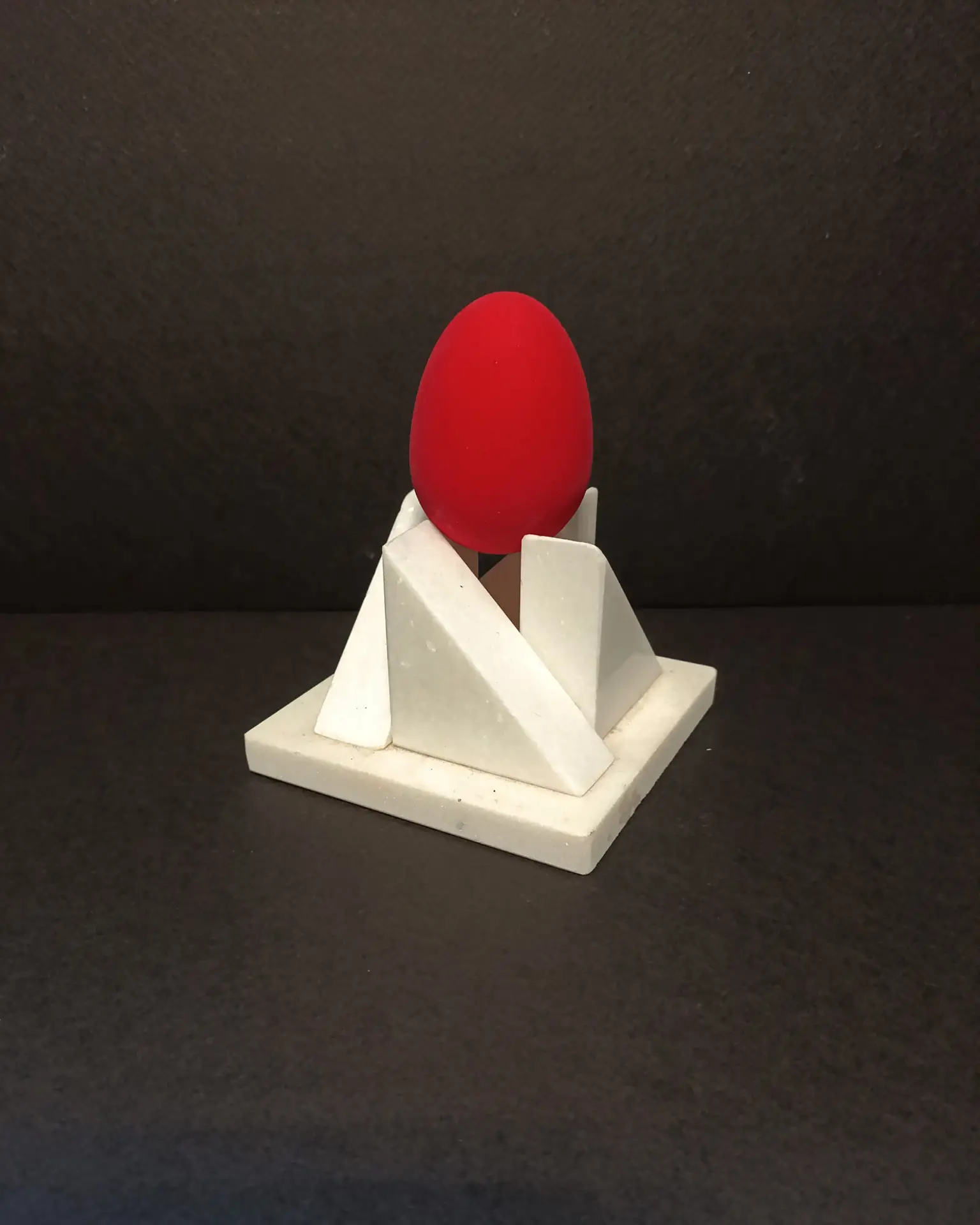
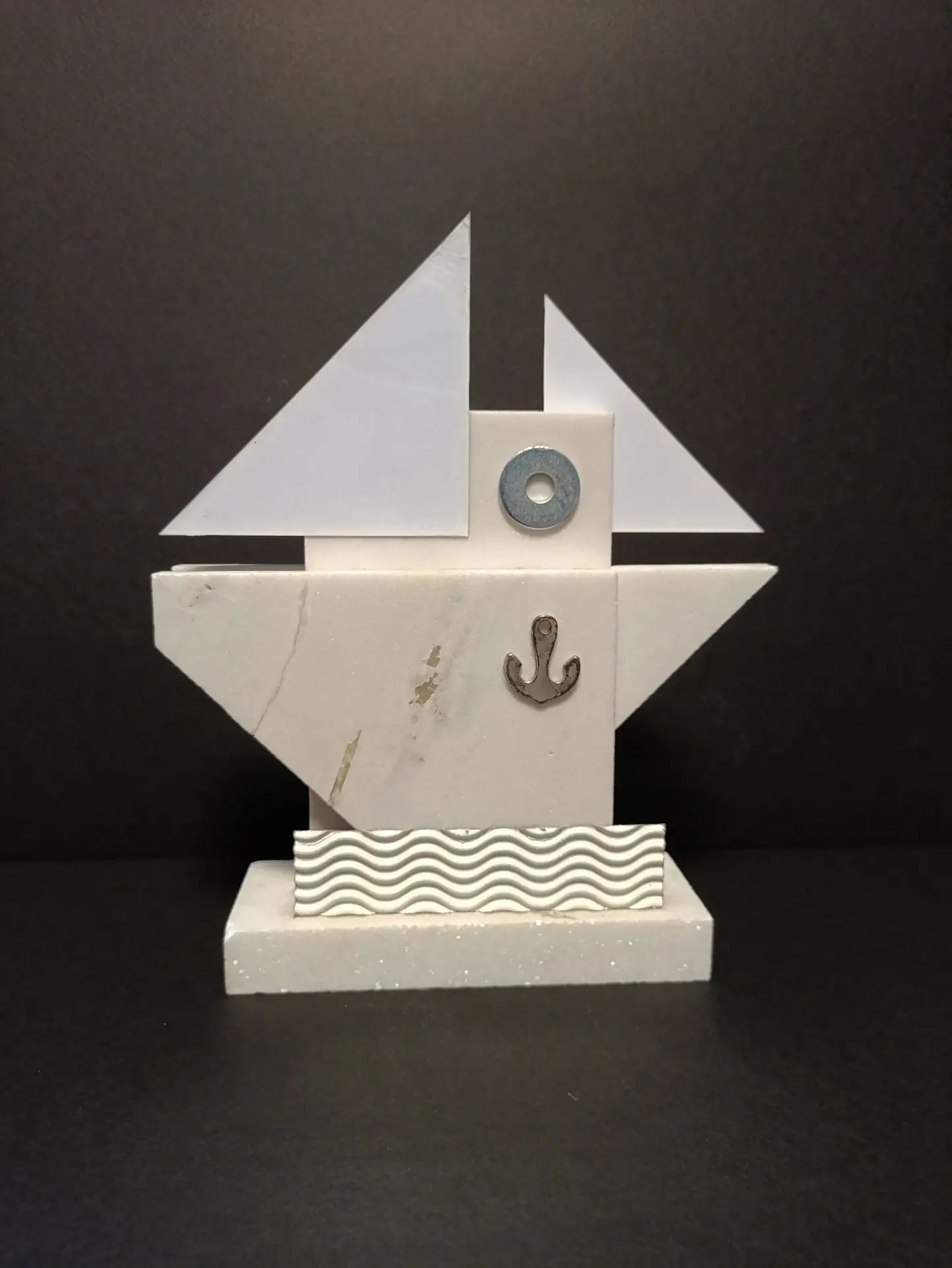
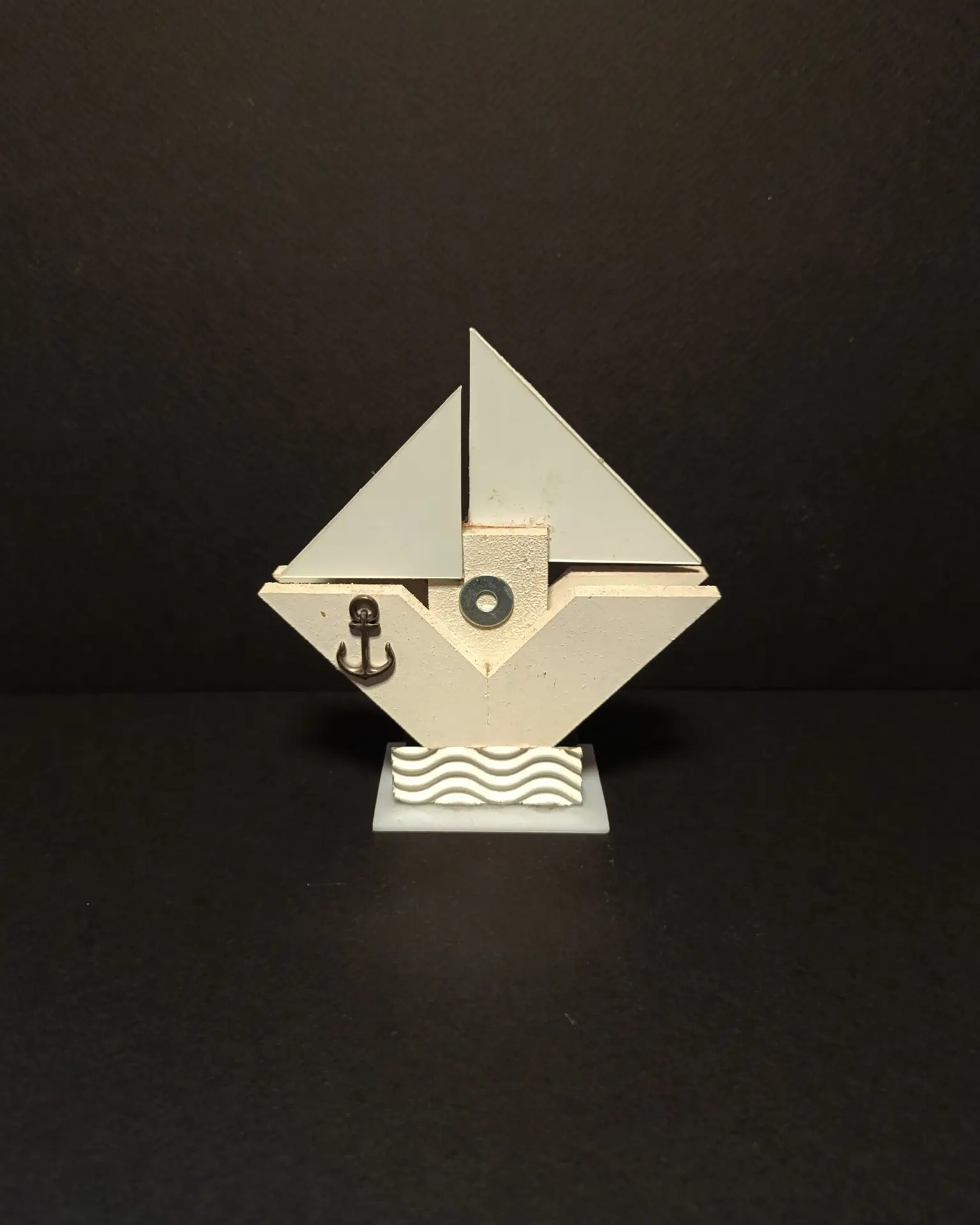
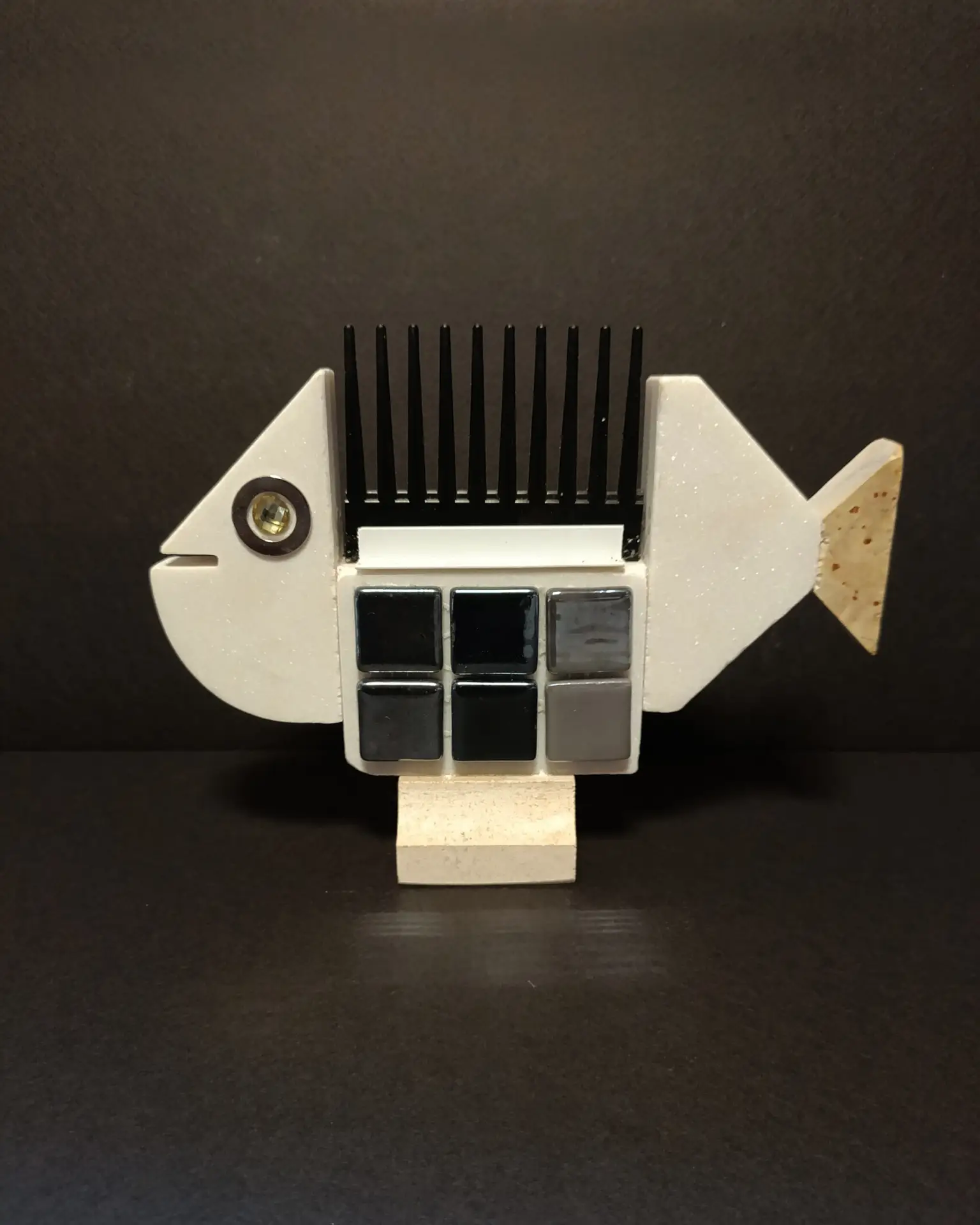
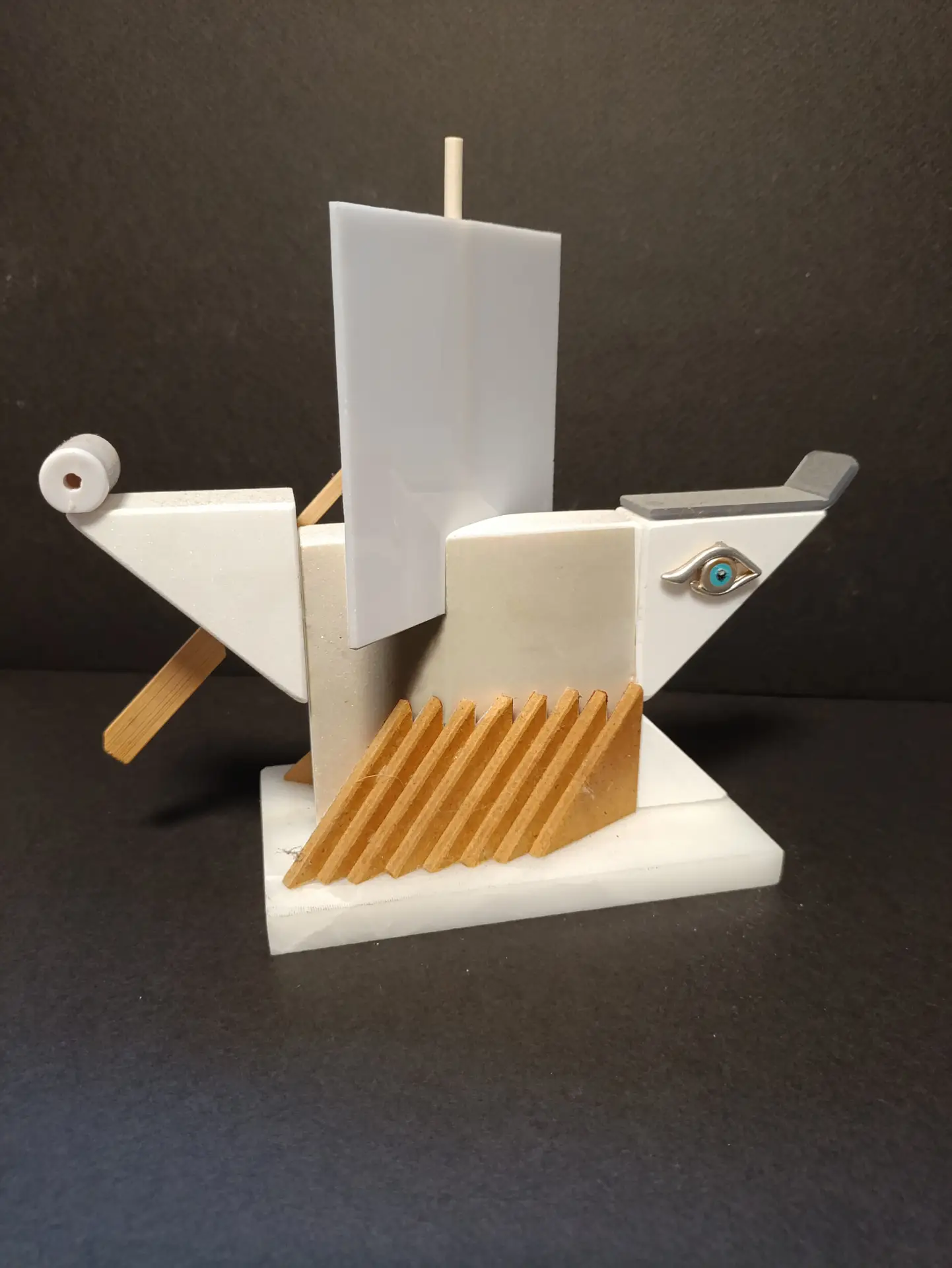
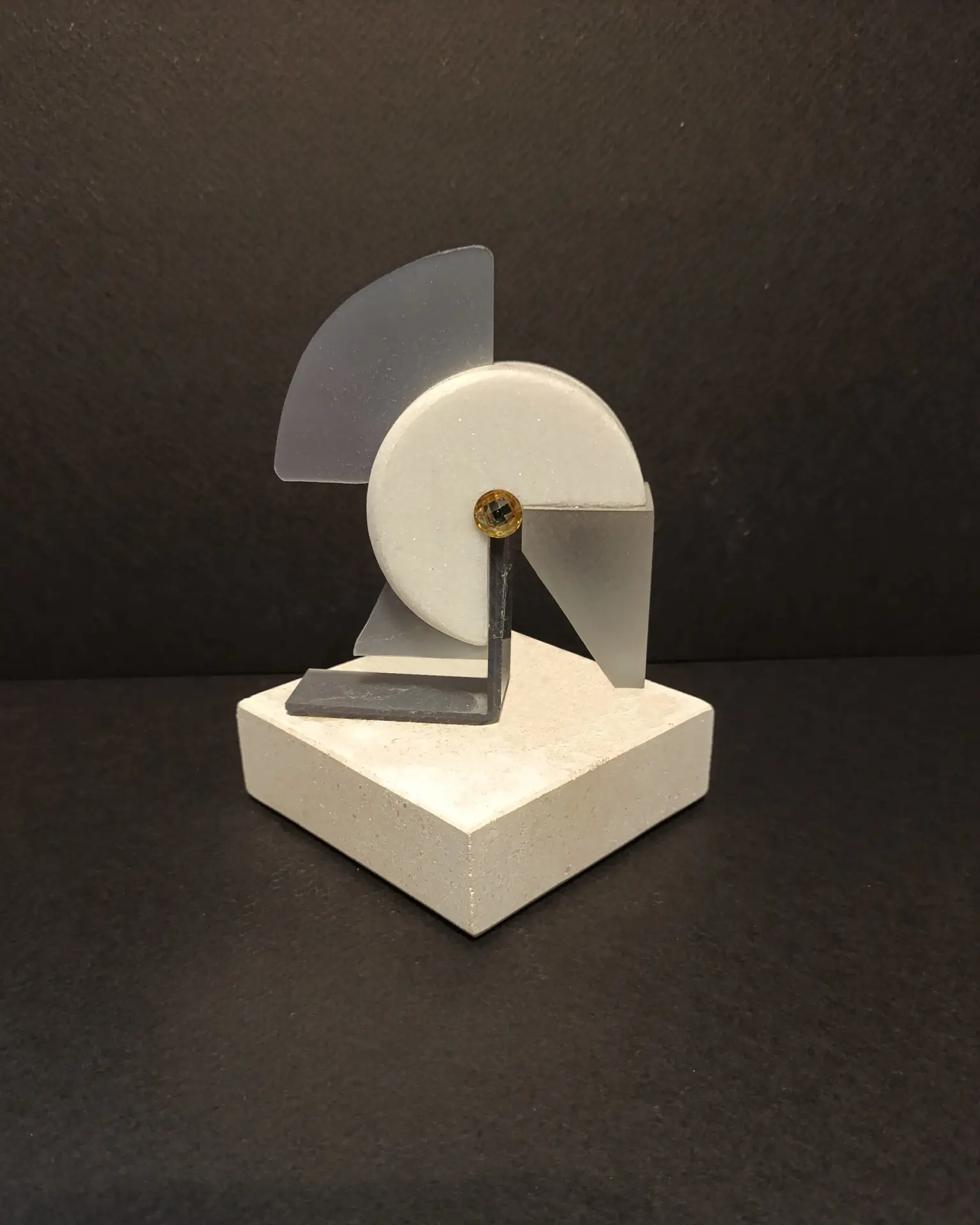
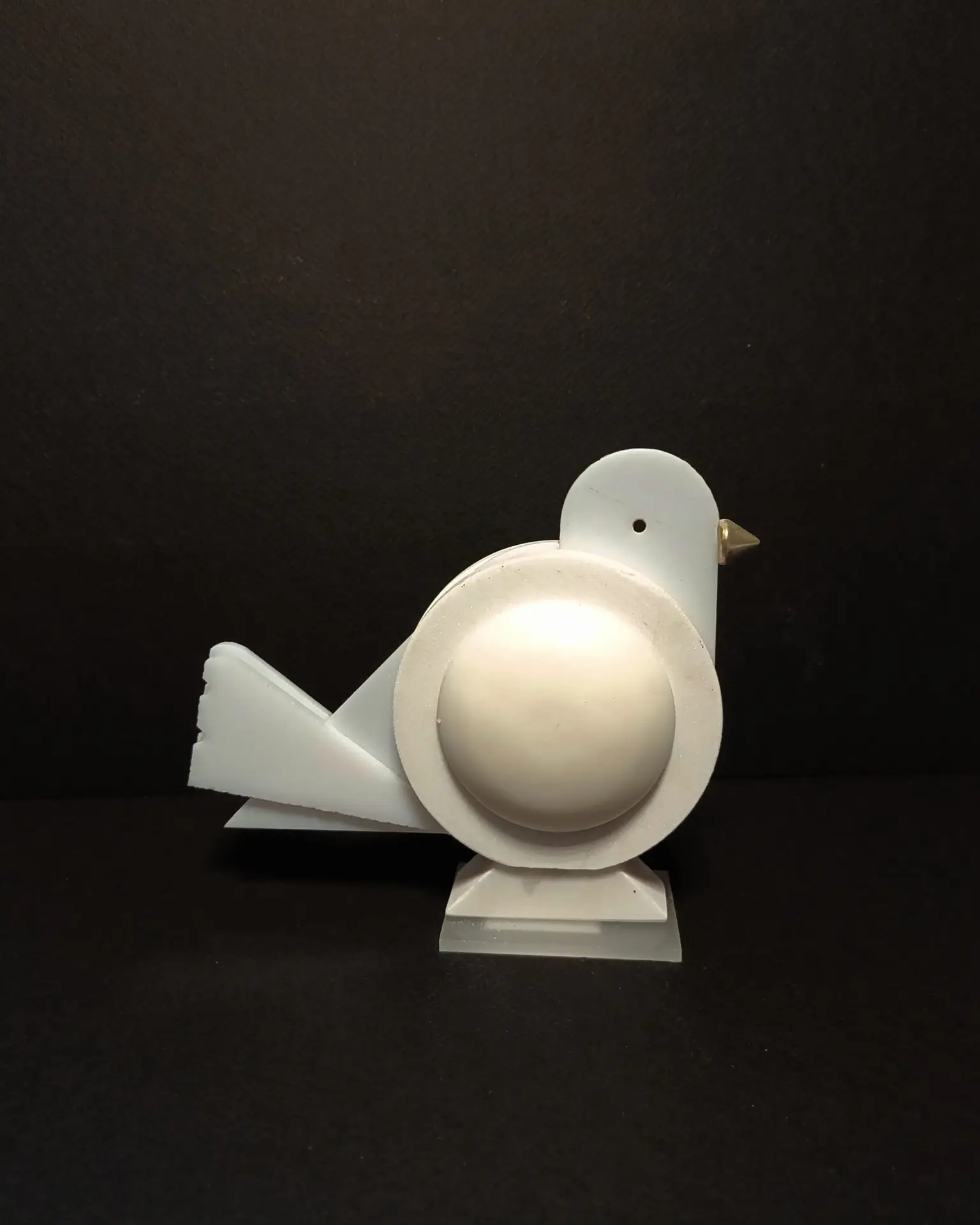
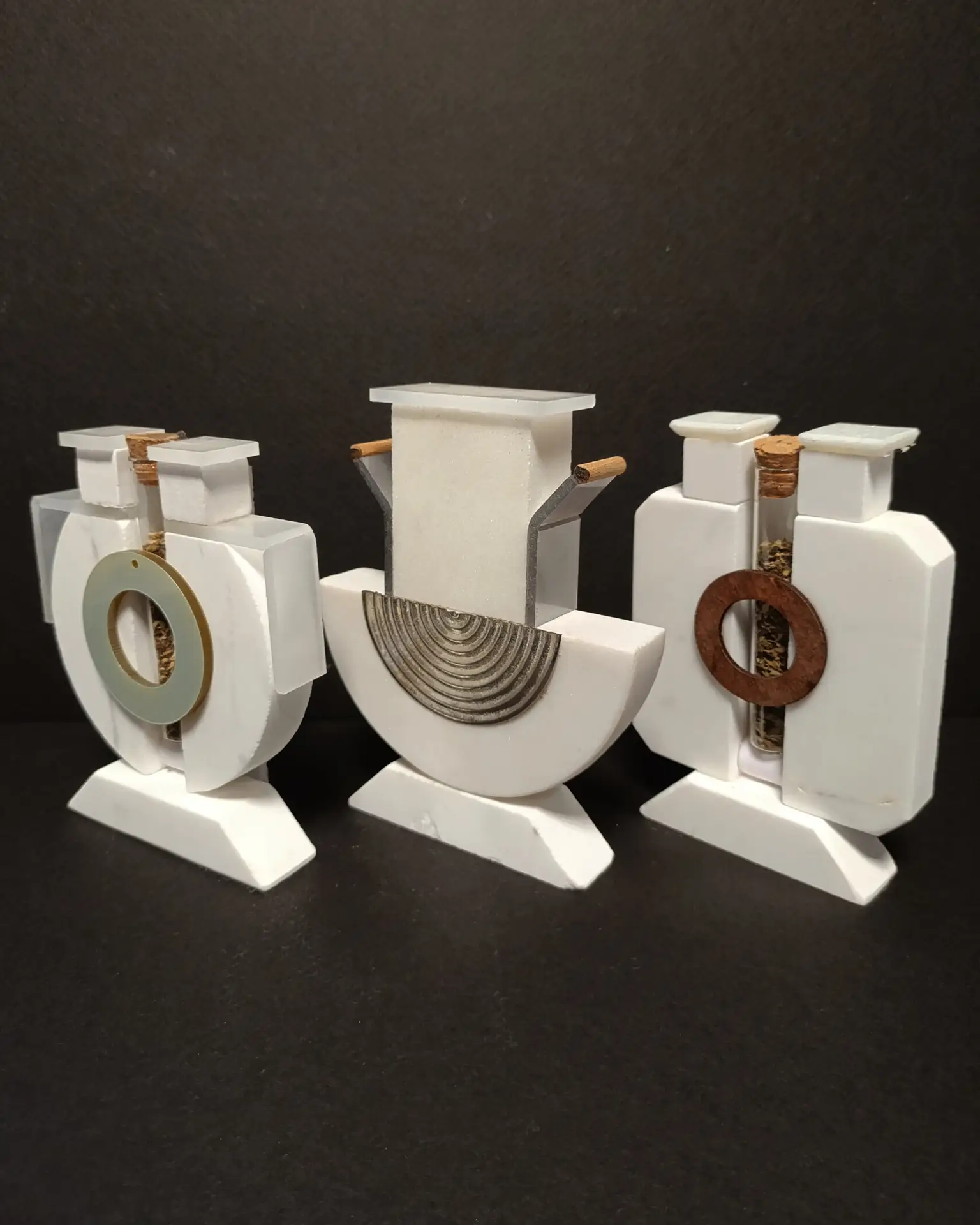
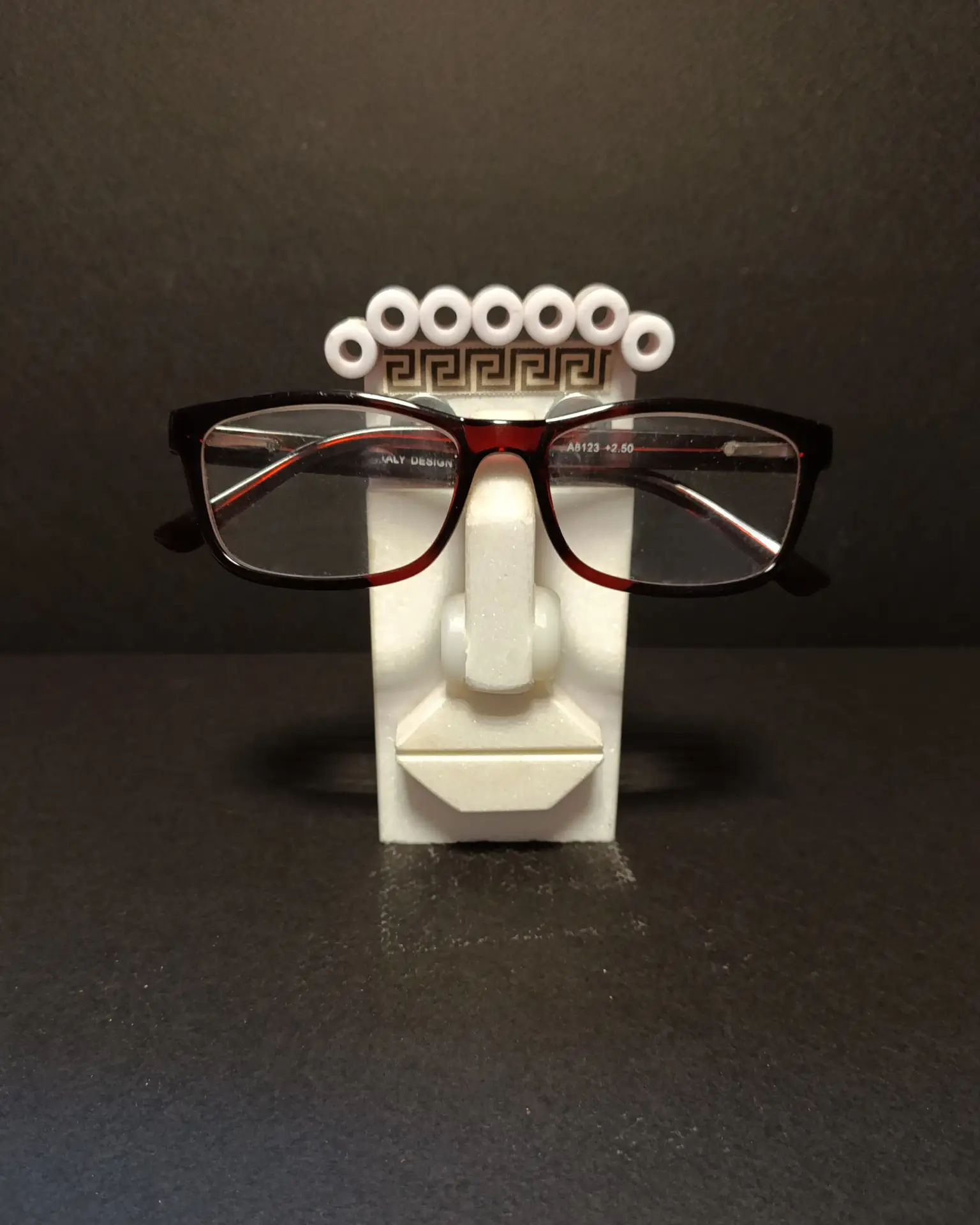
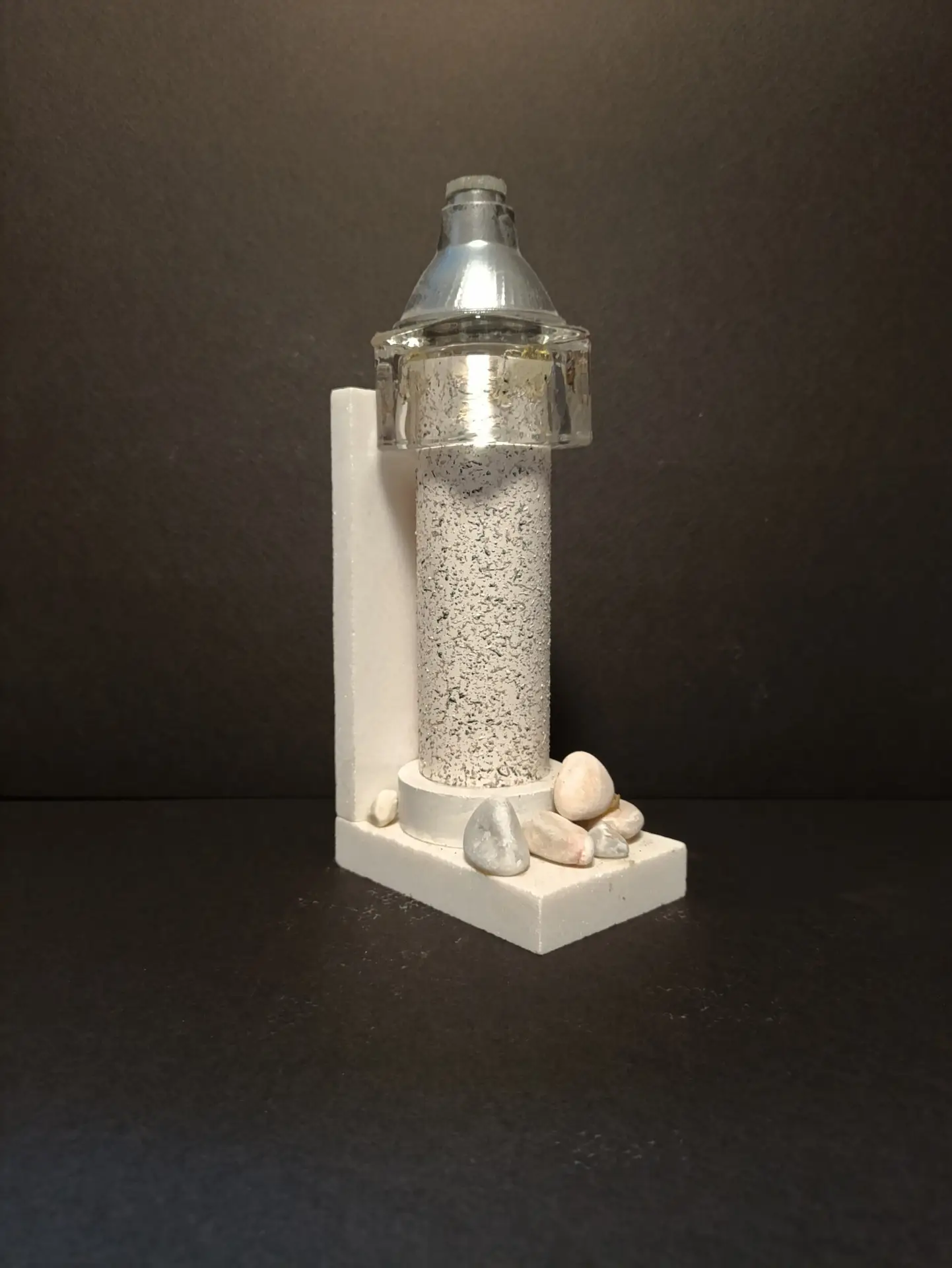
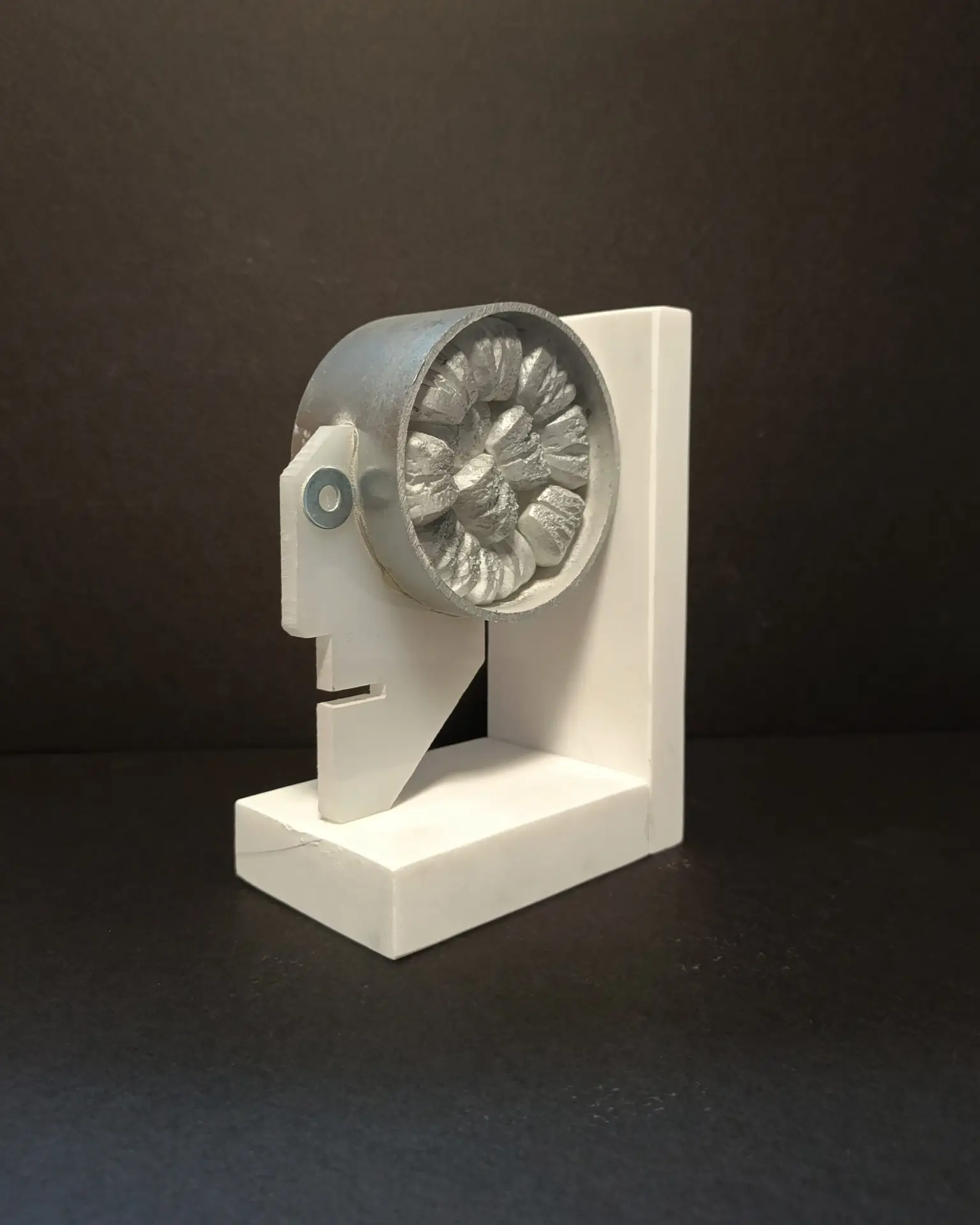
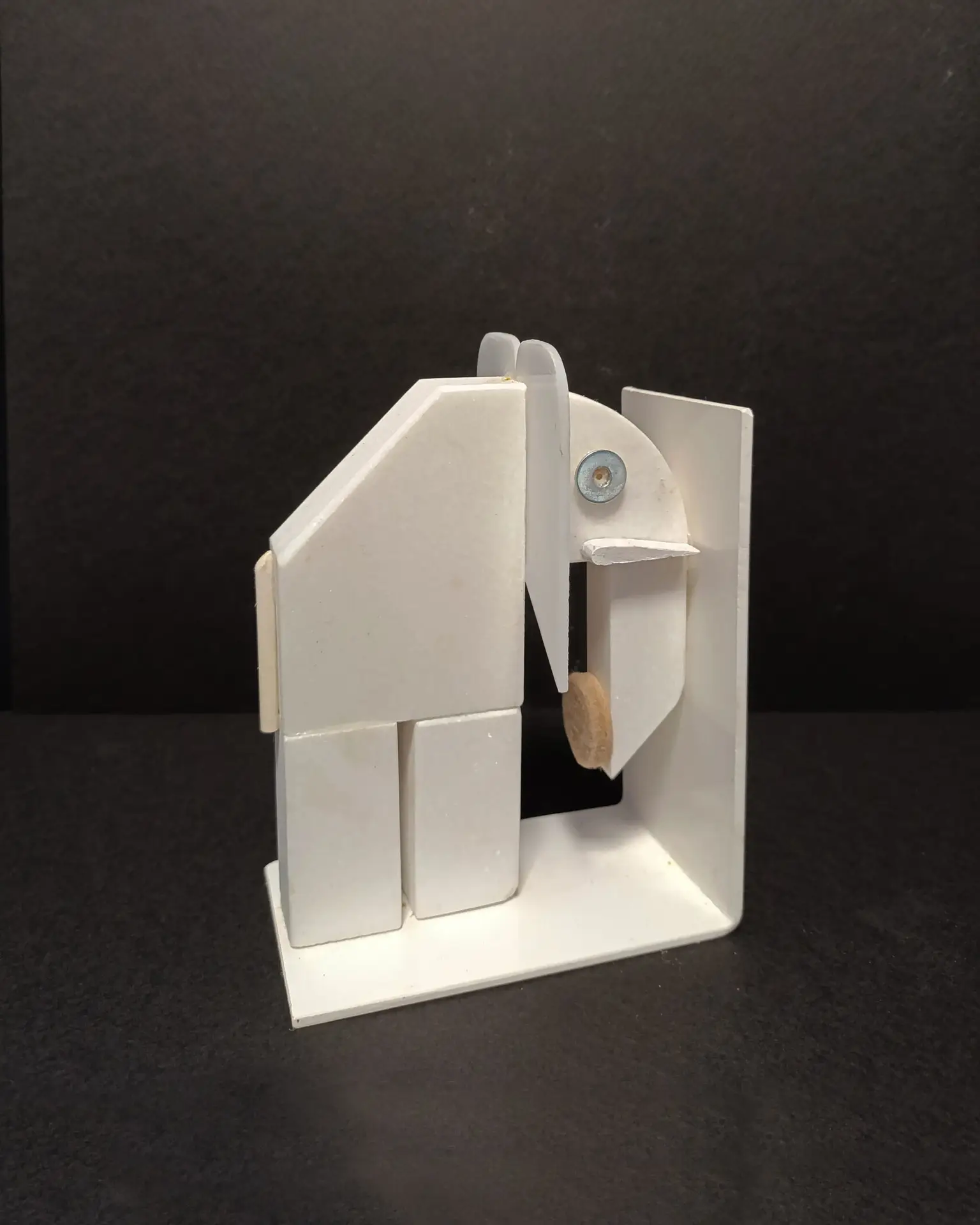
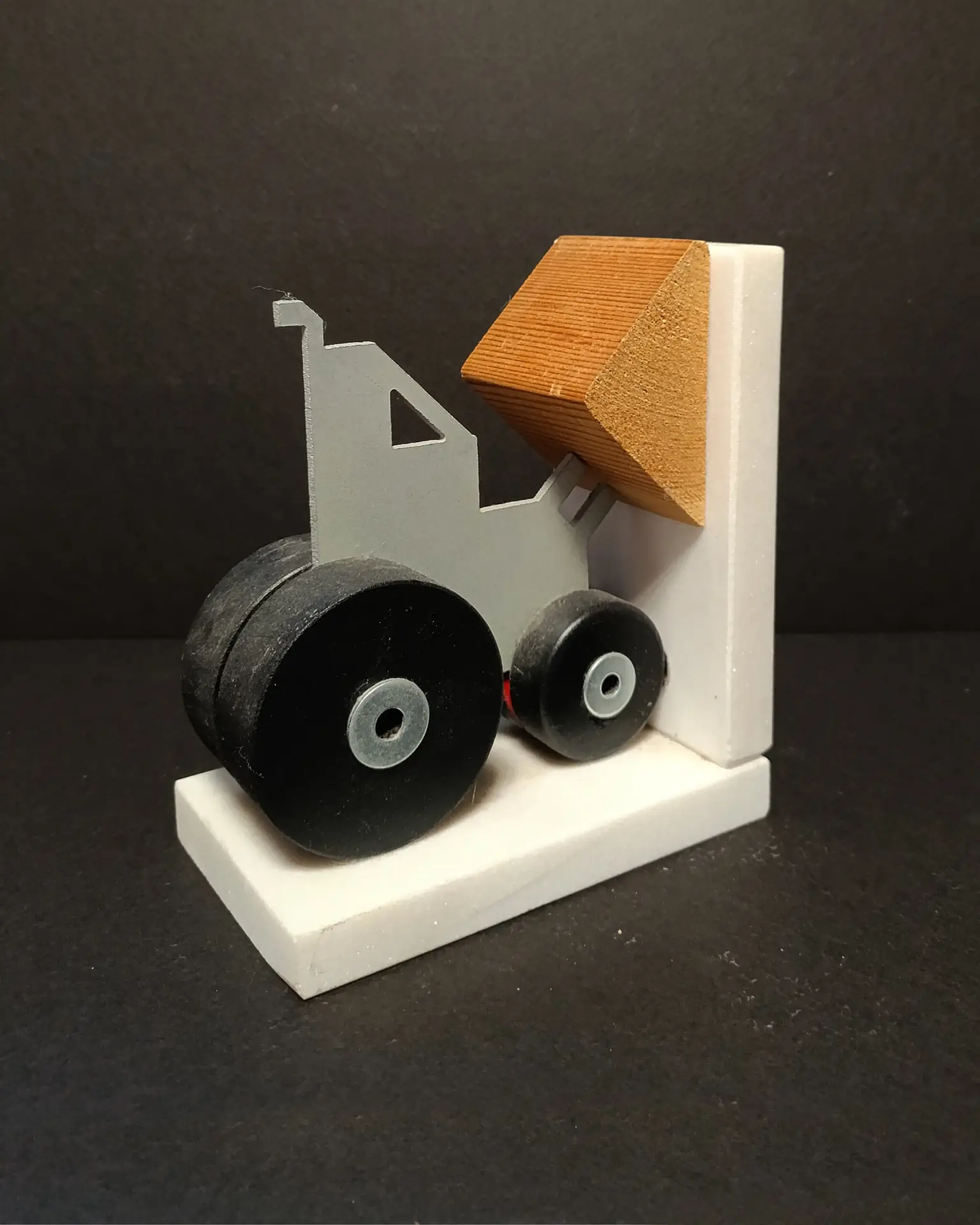
The dominant material (without being the only one) is marble. The architectural identity that from the beginning and in all areas, follows the artistic path of the office, with complementary industrialized pieces of commerce, completes their design and construction philosophy.
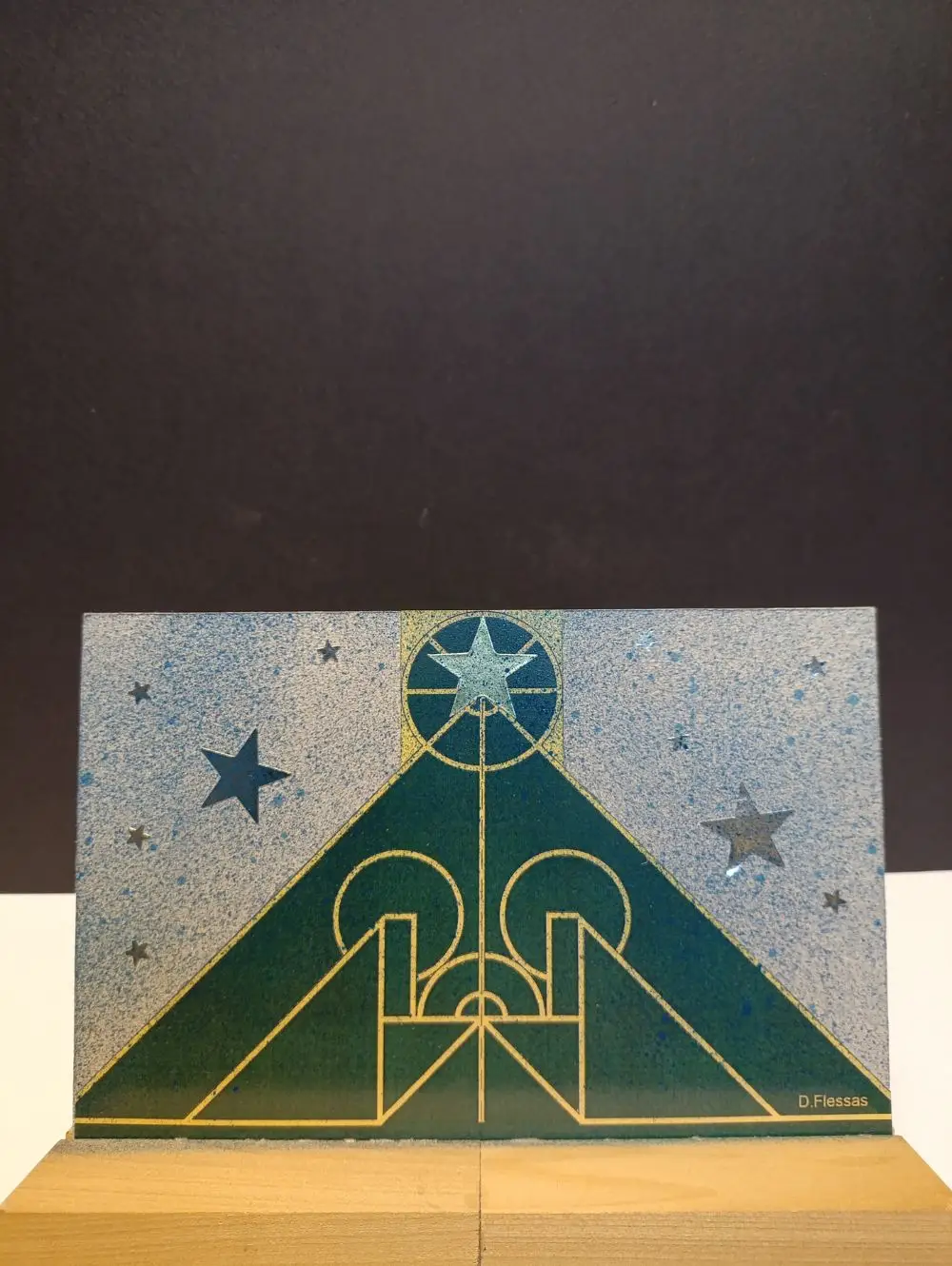
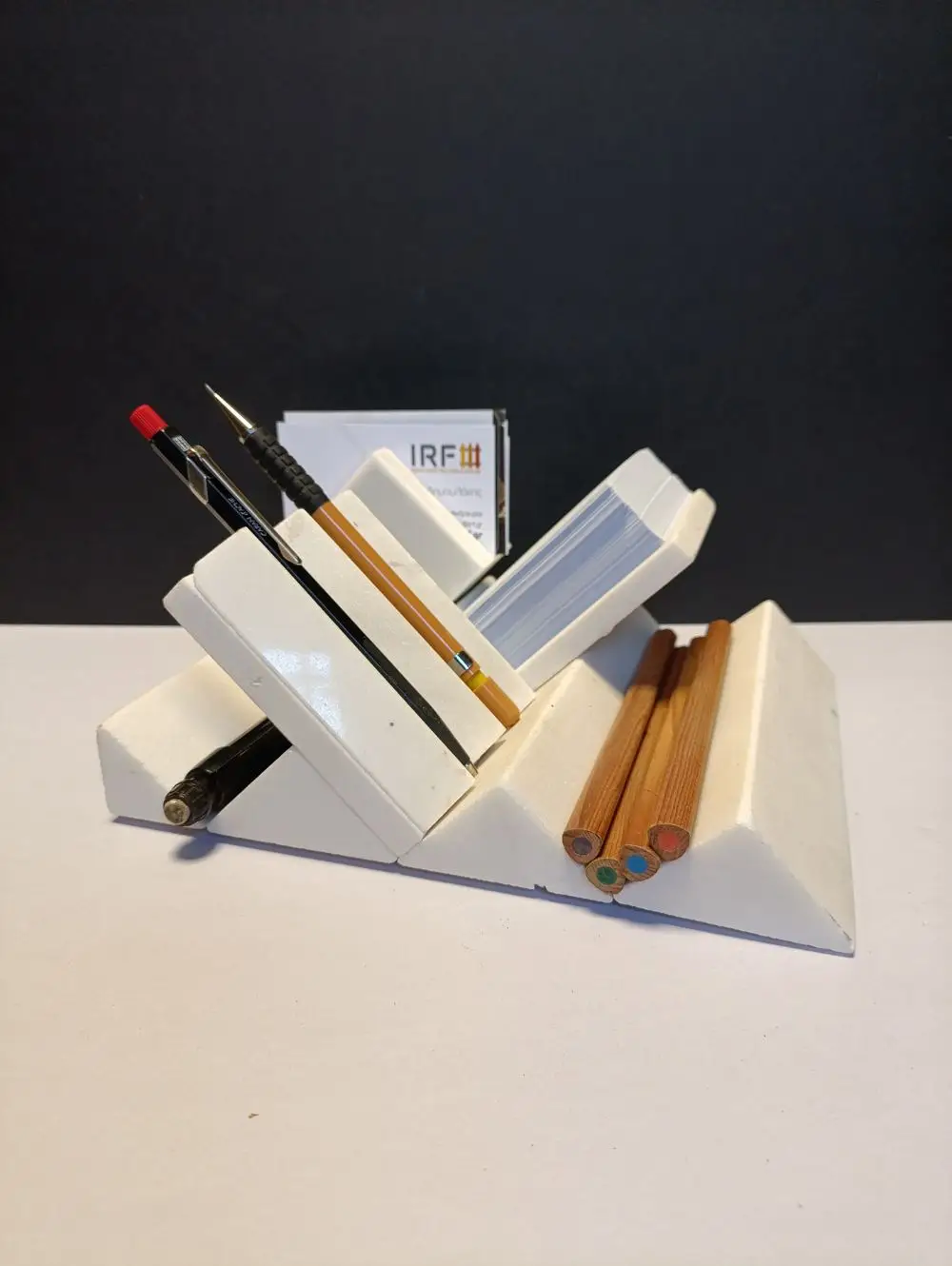
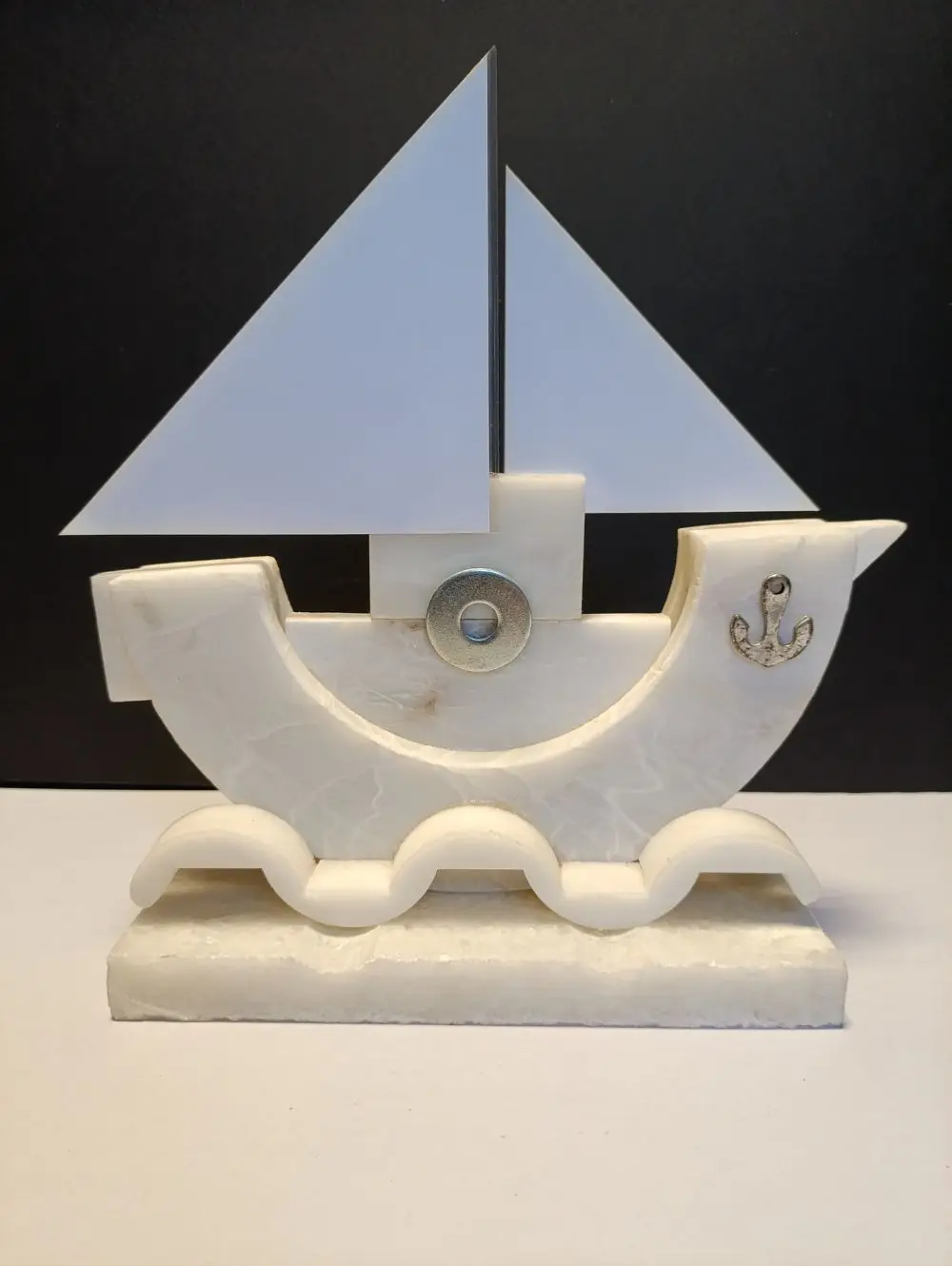
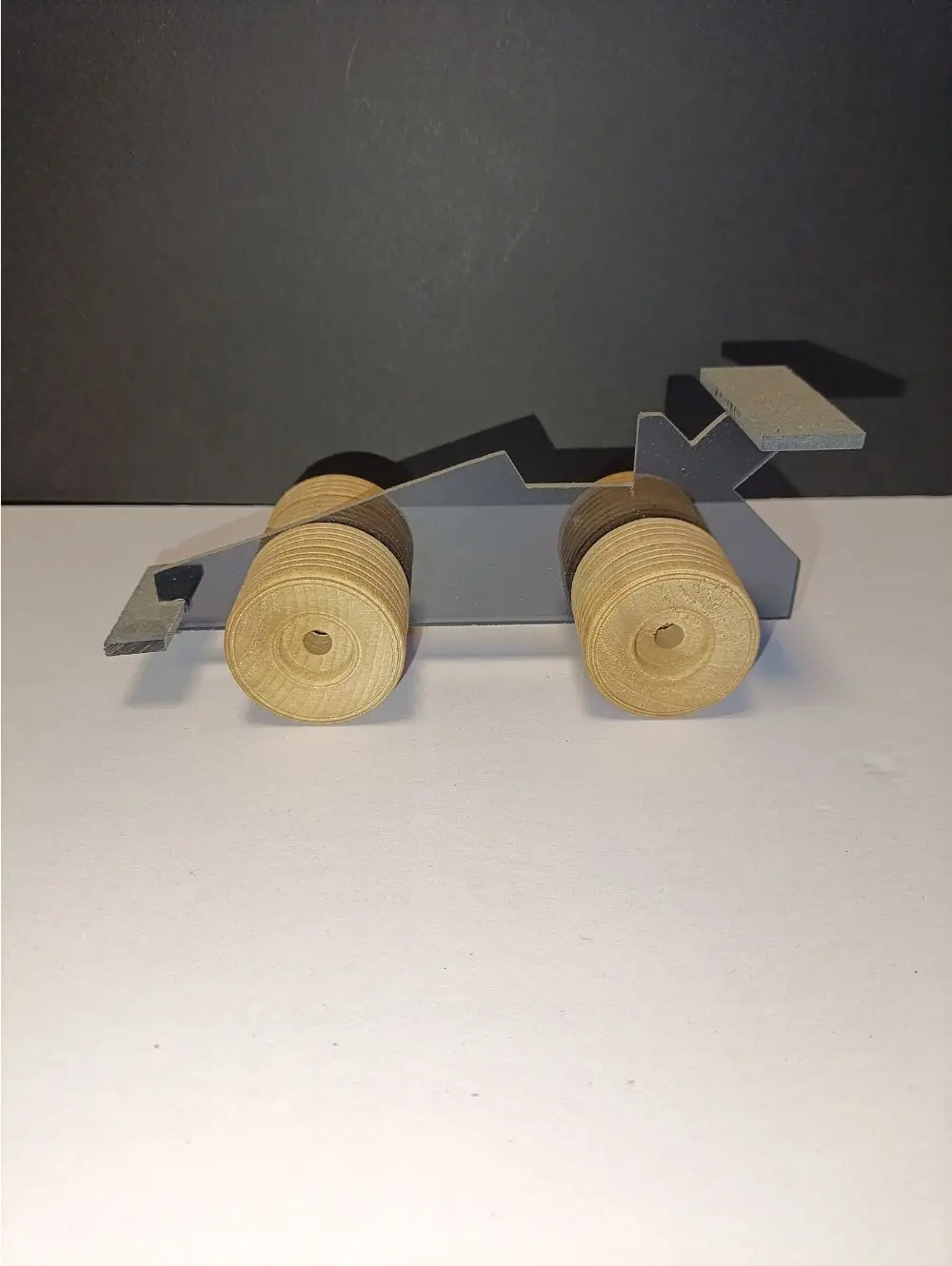
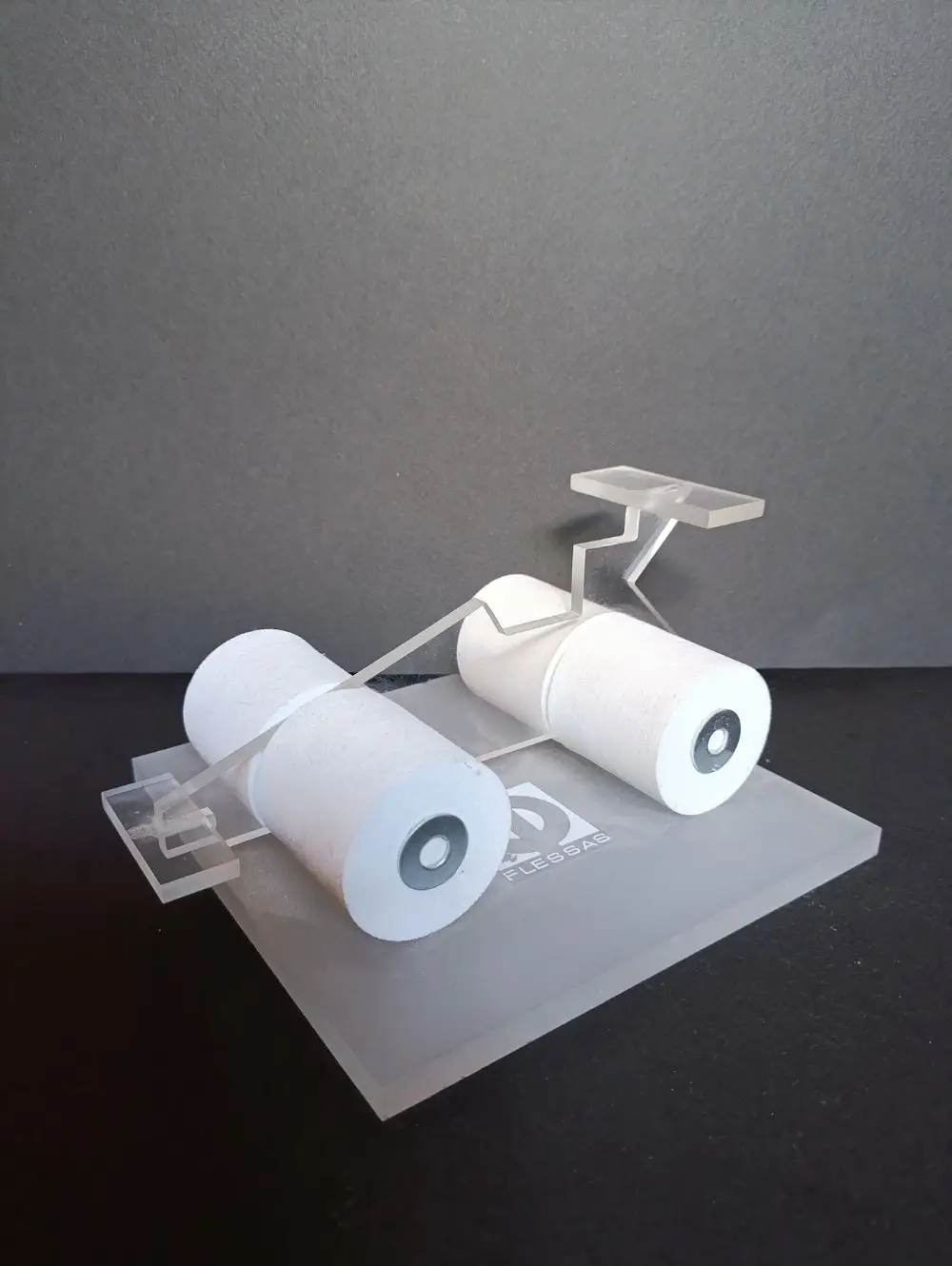
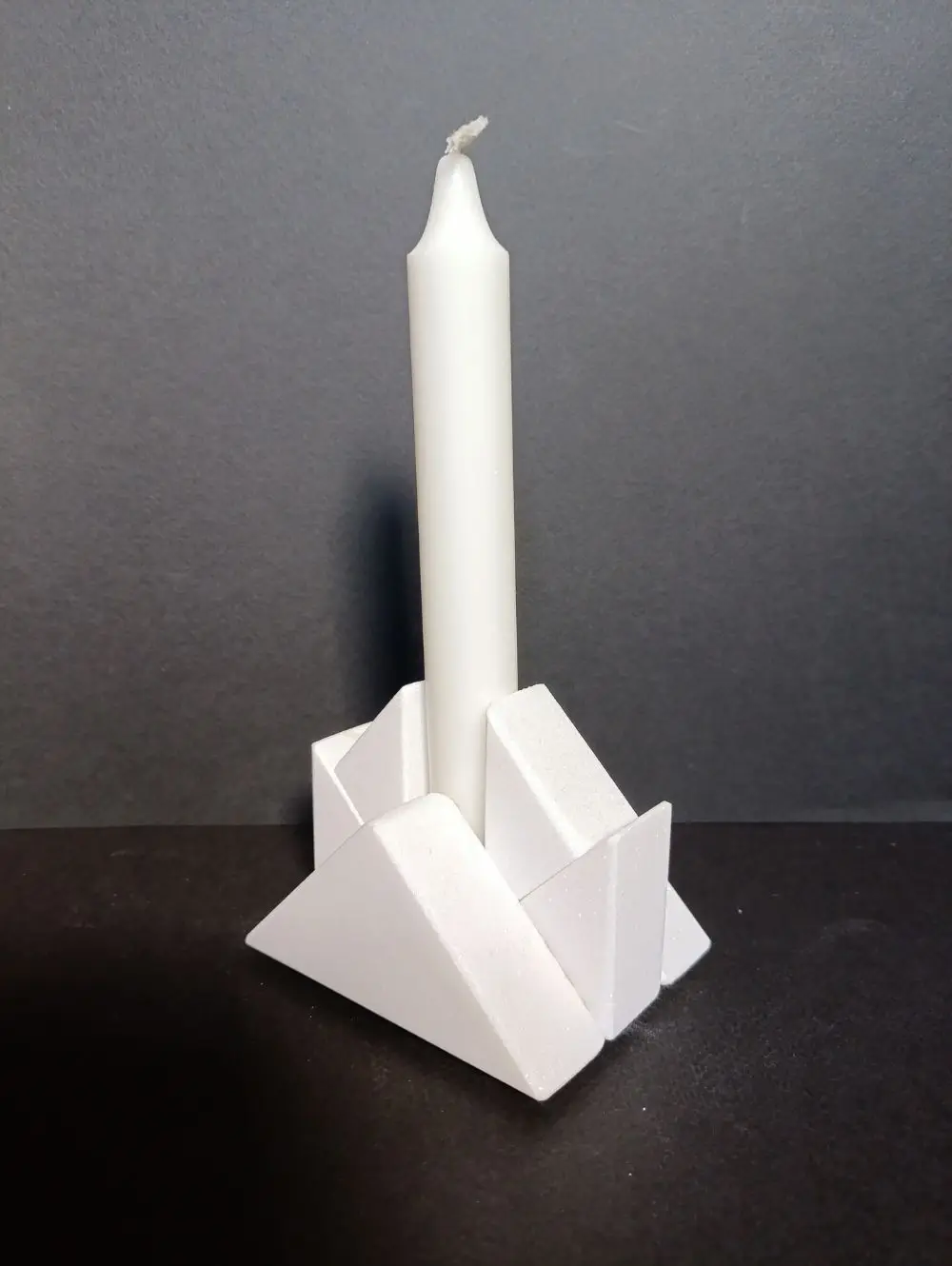
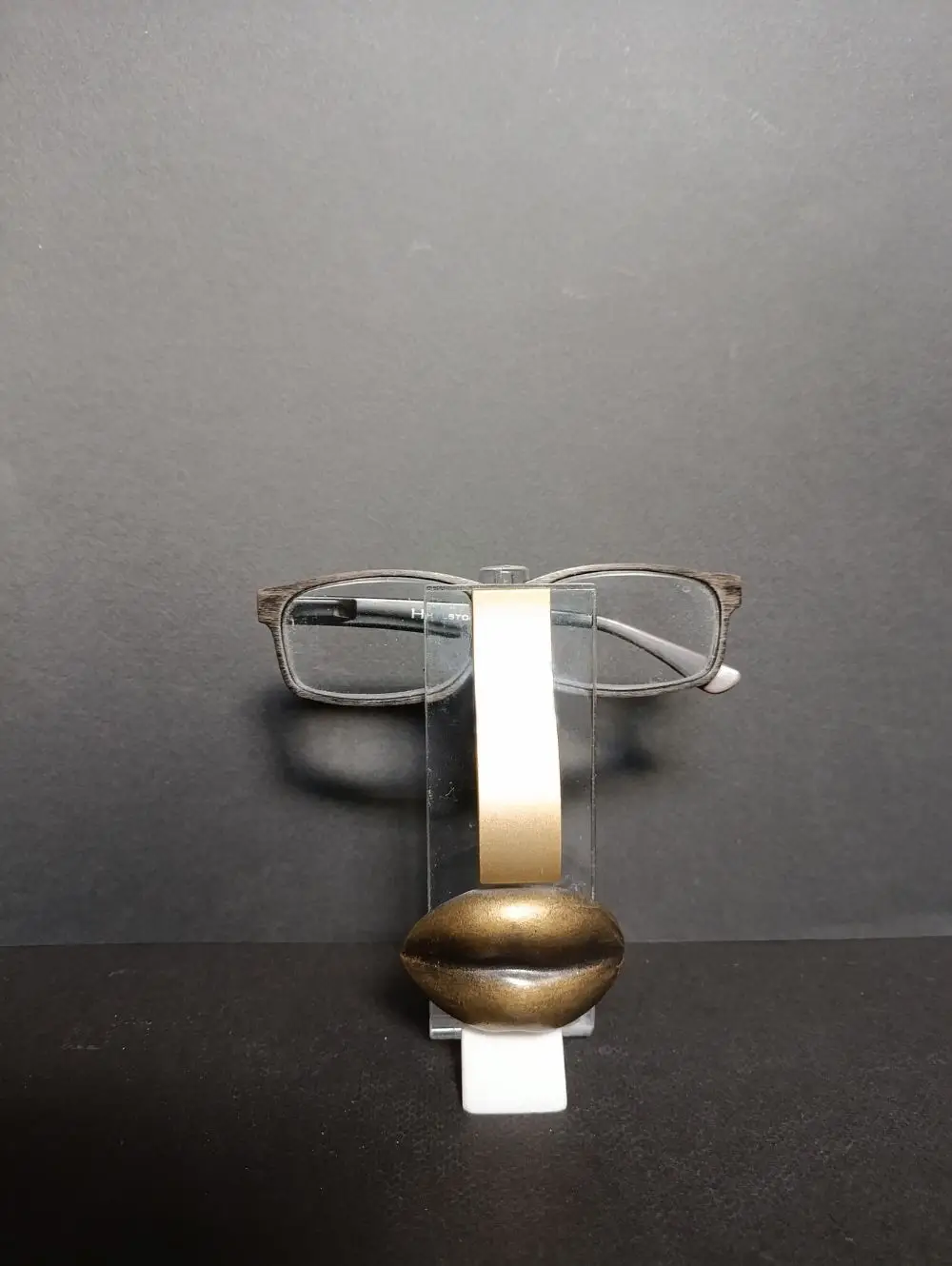
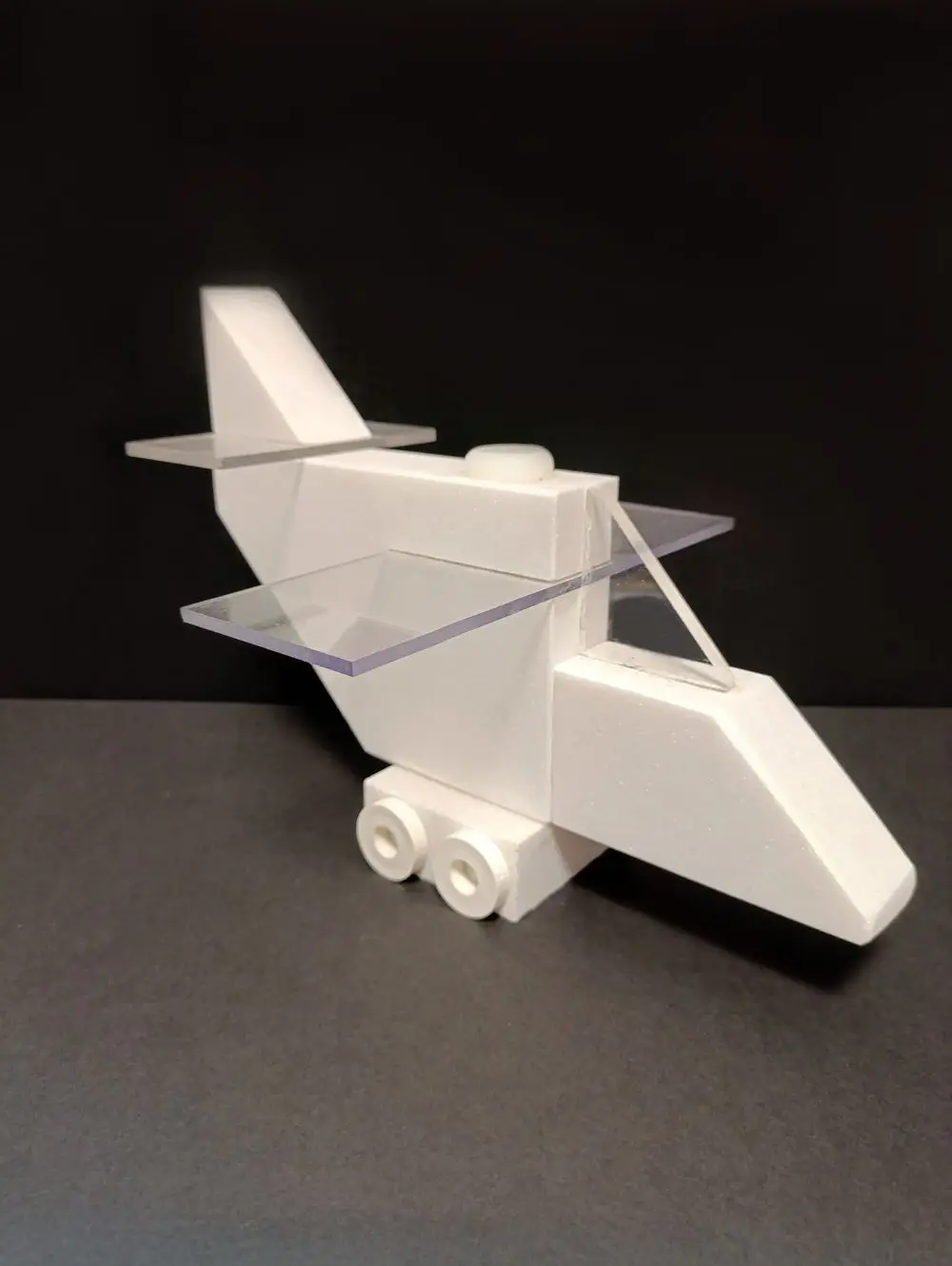
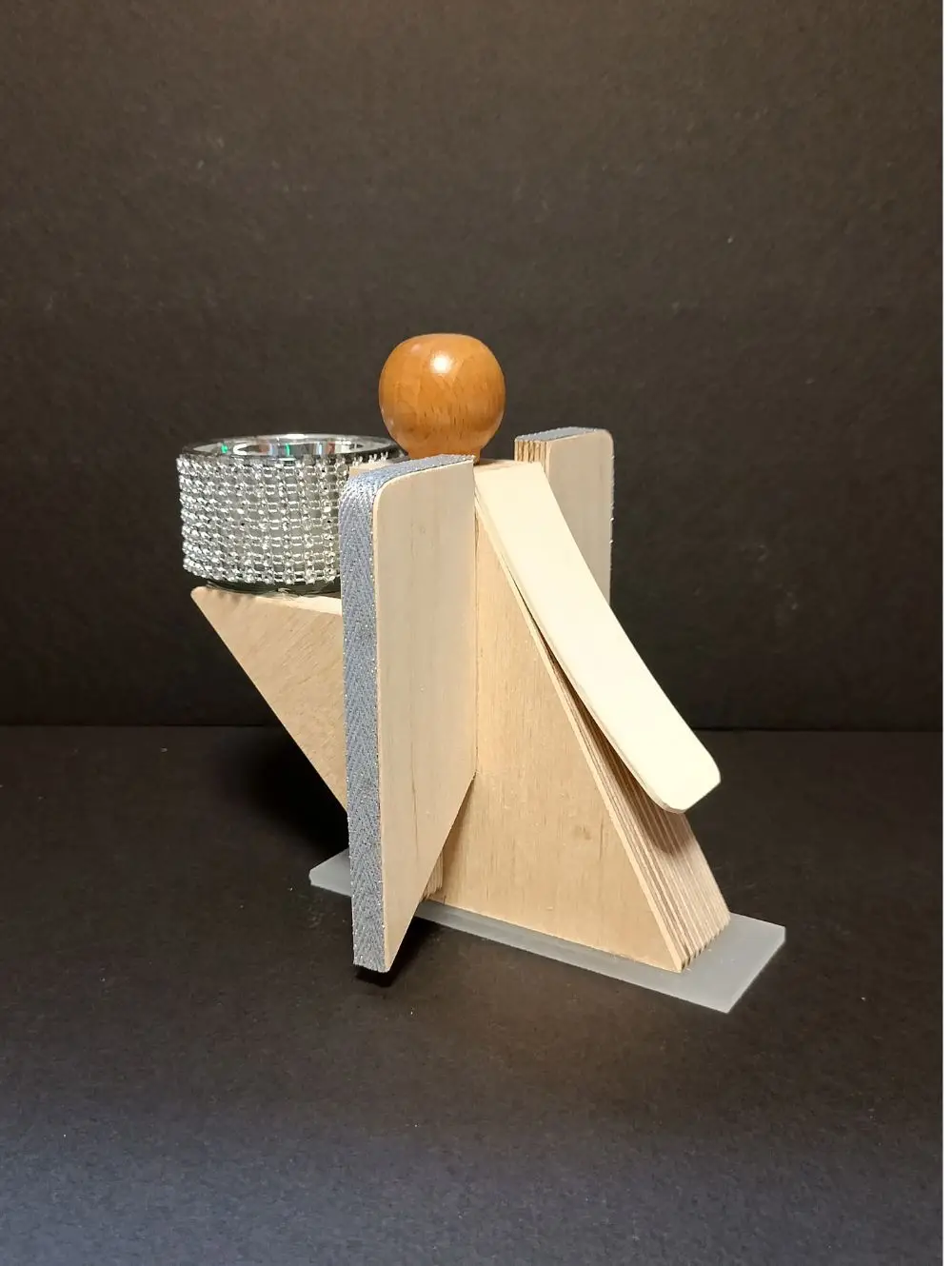
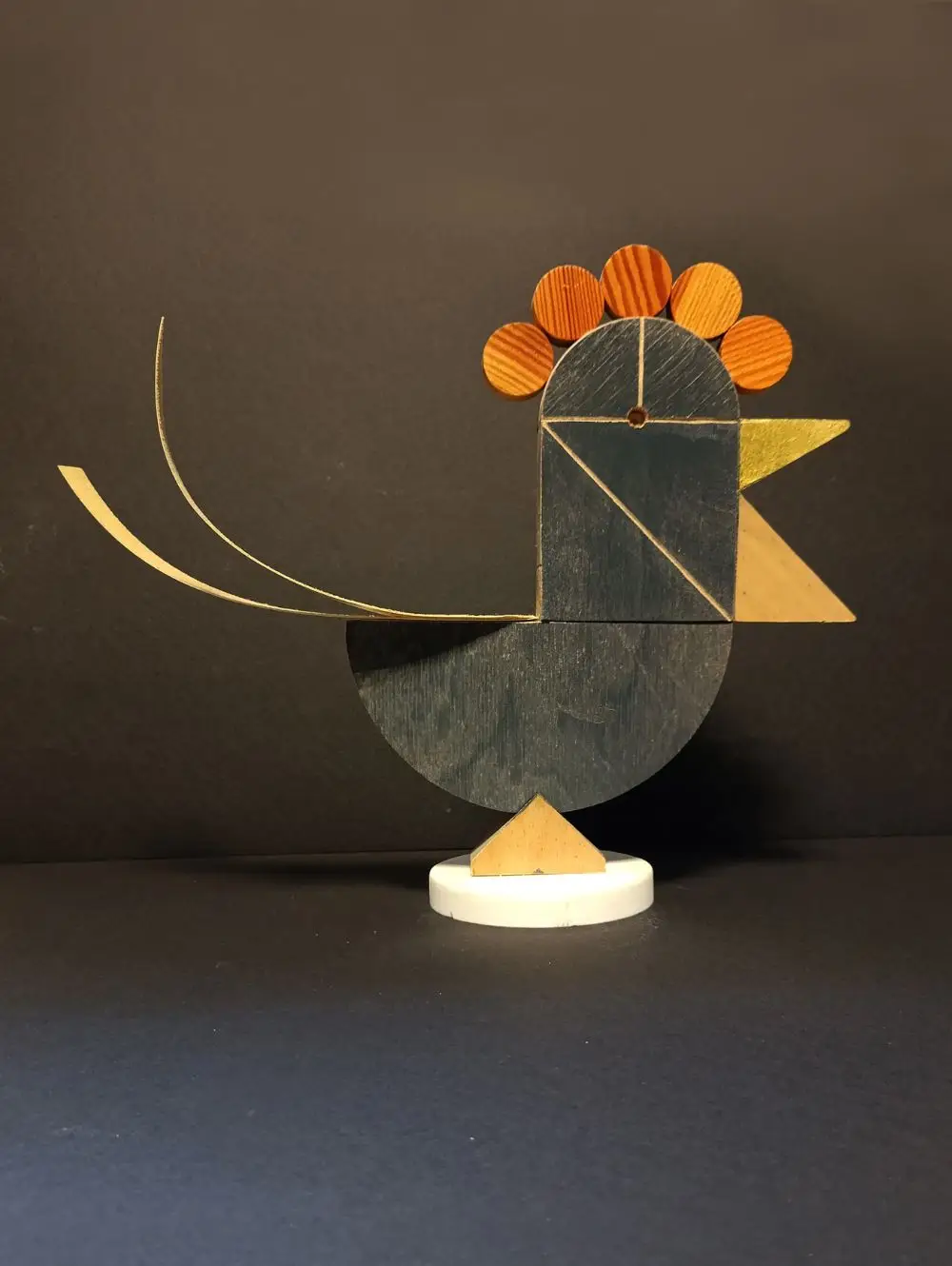
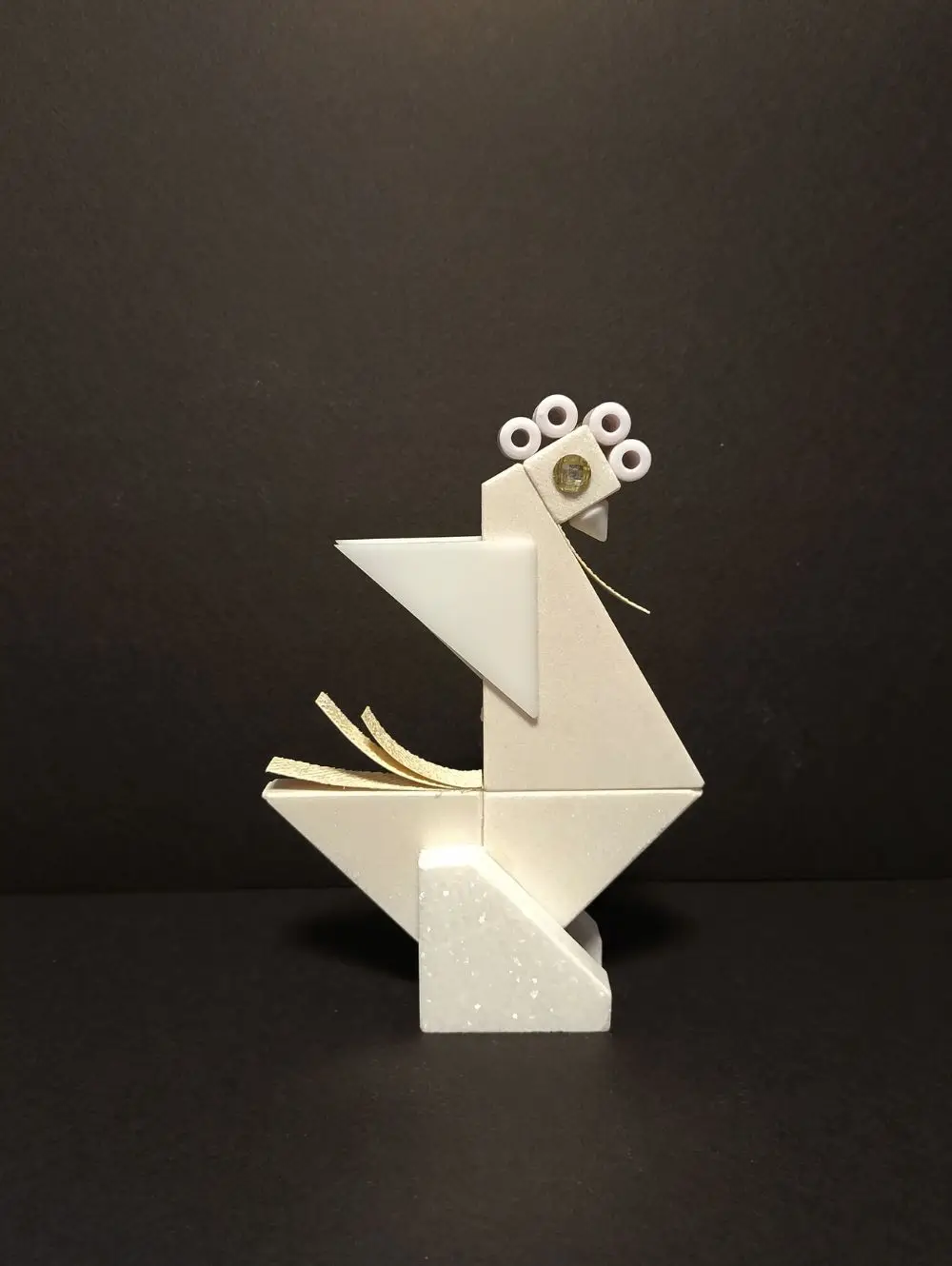
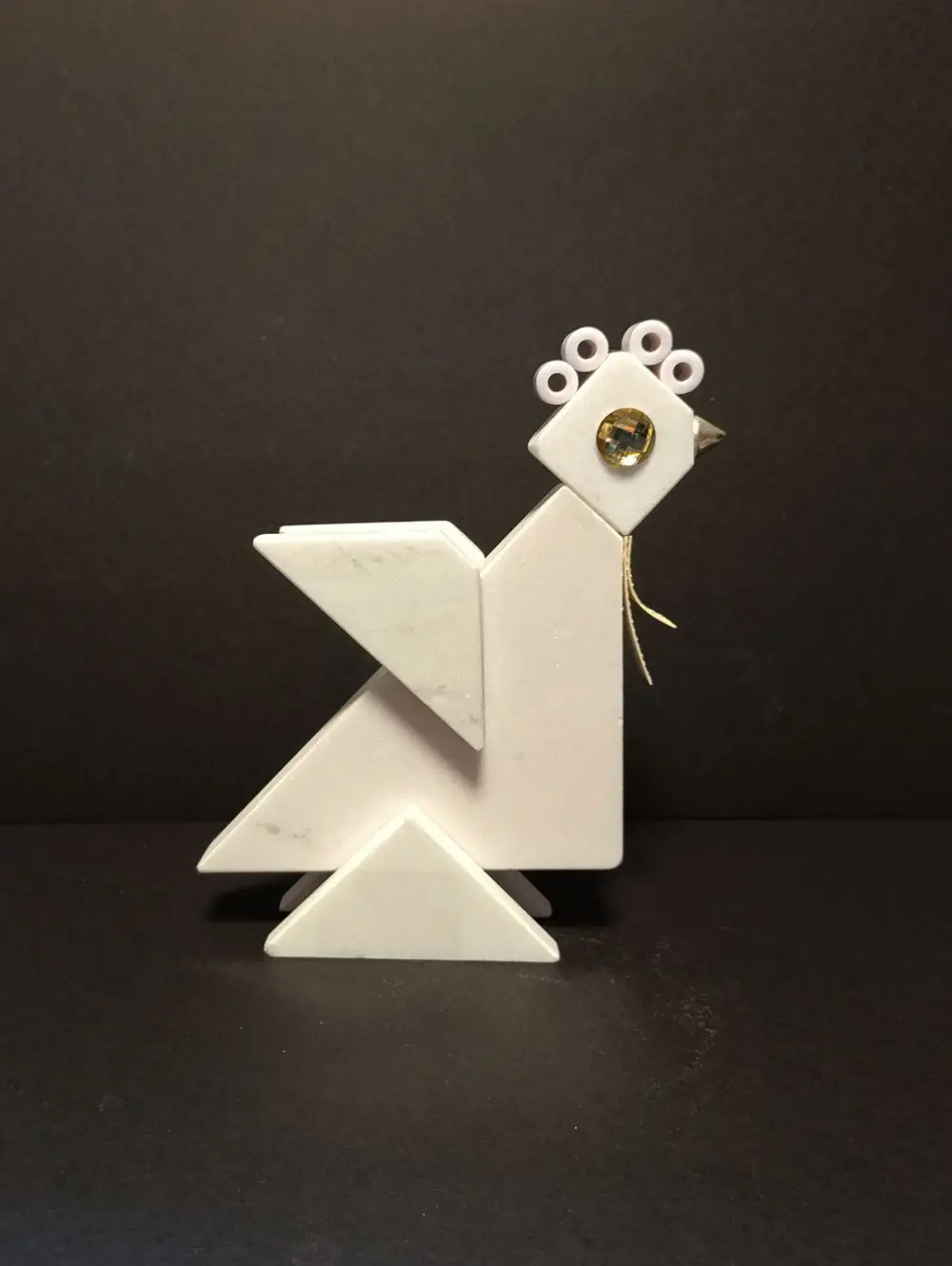
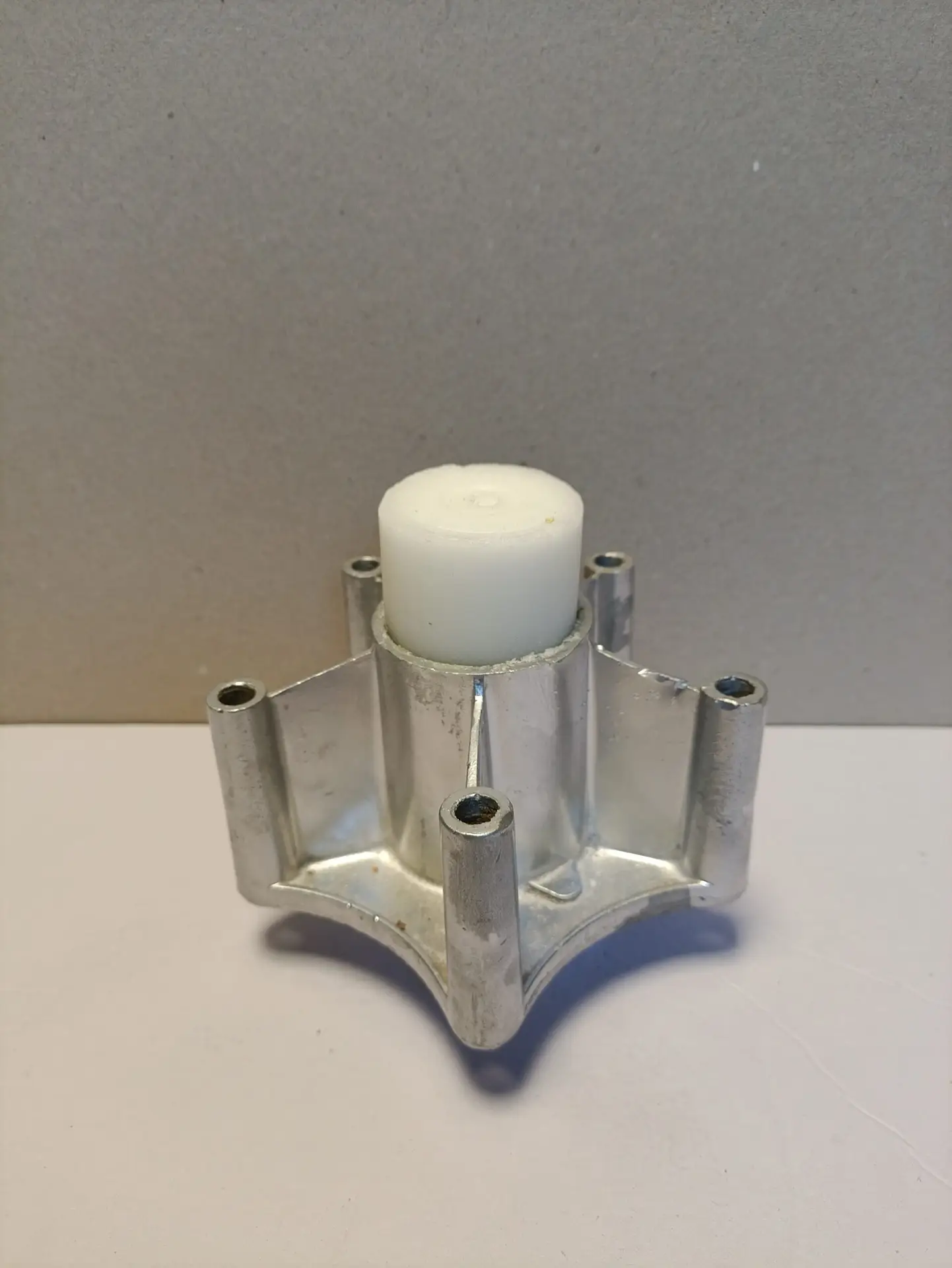
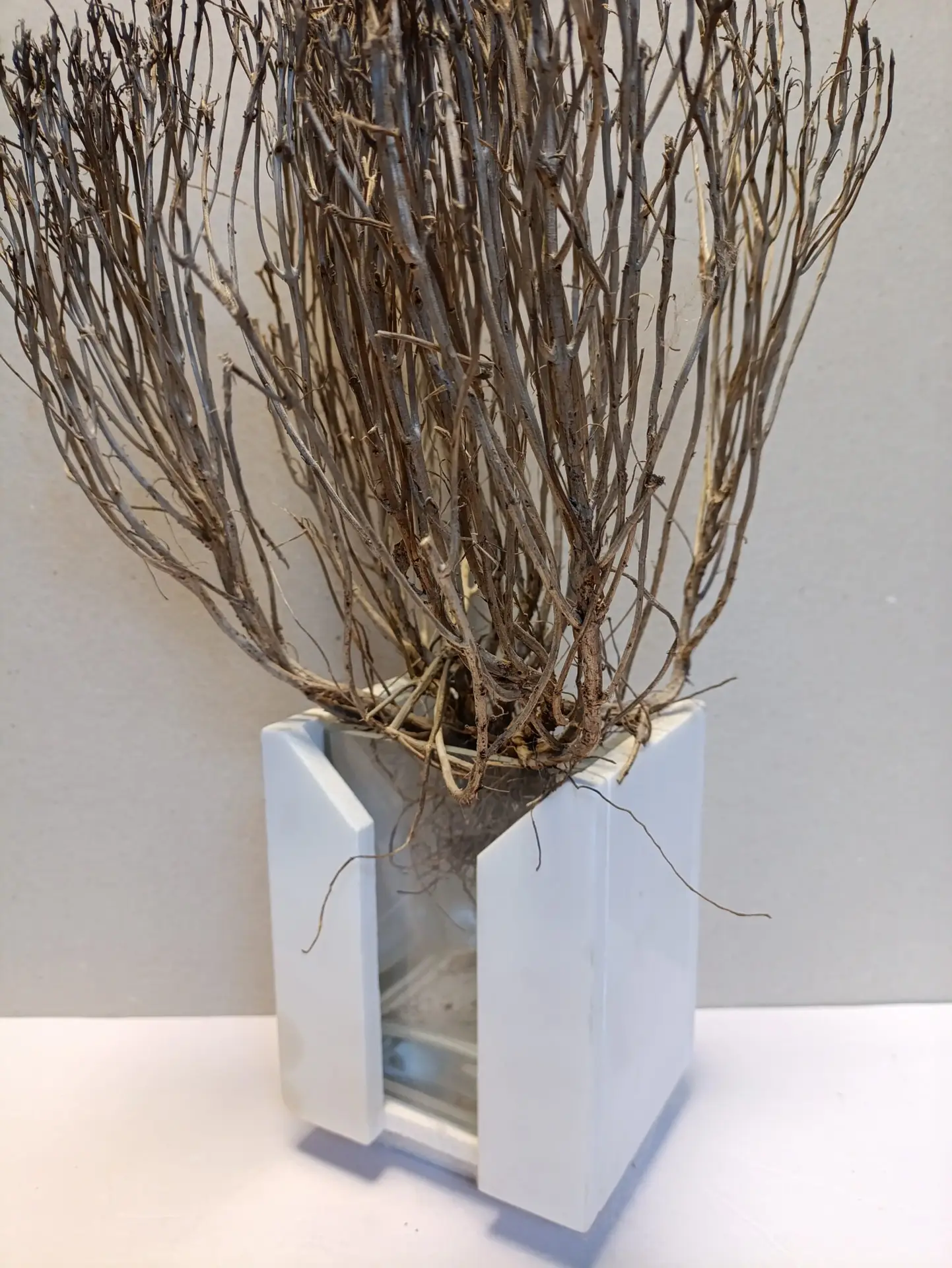
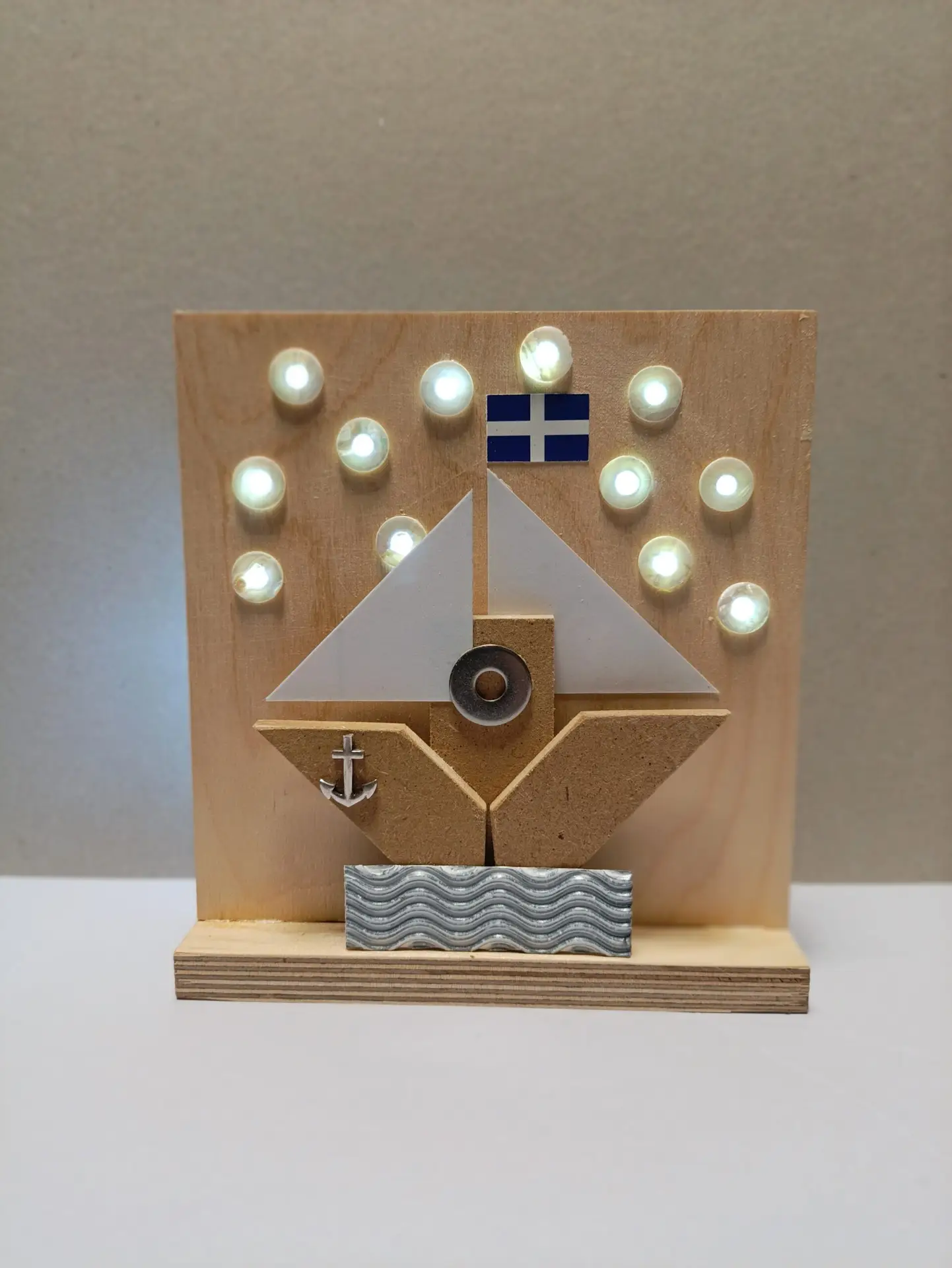
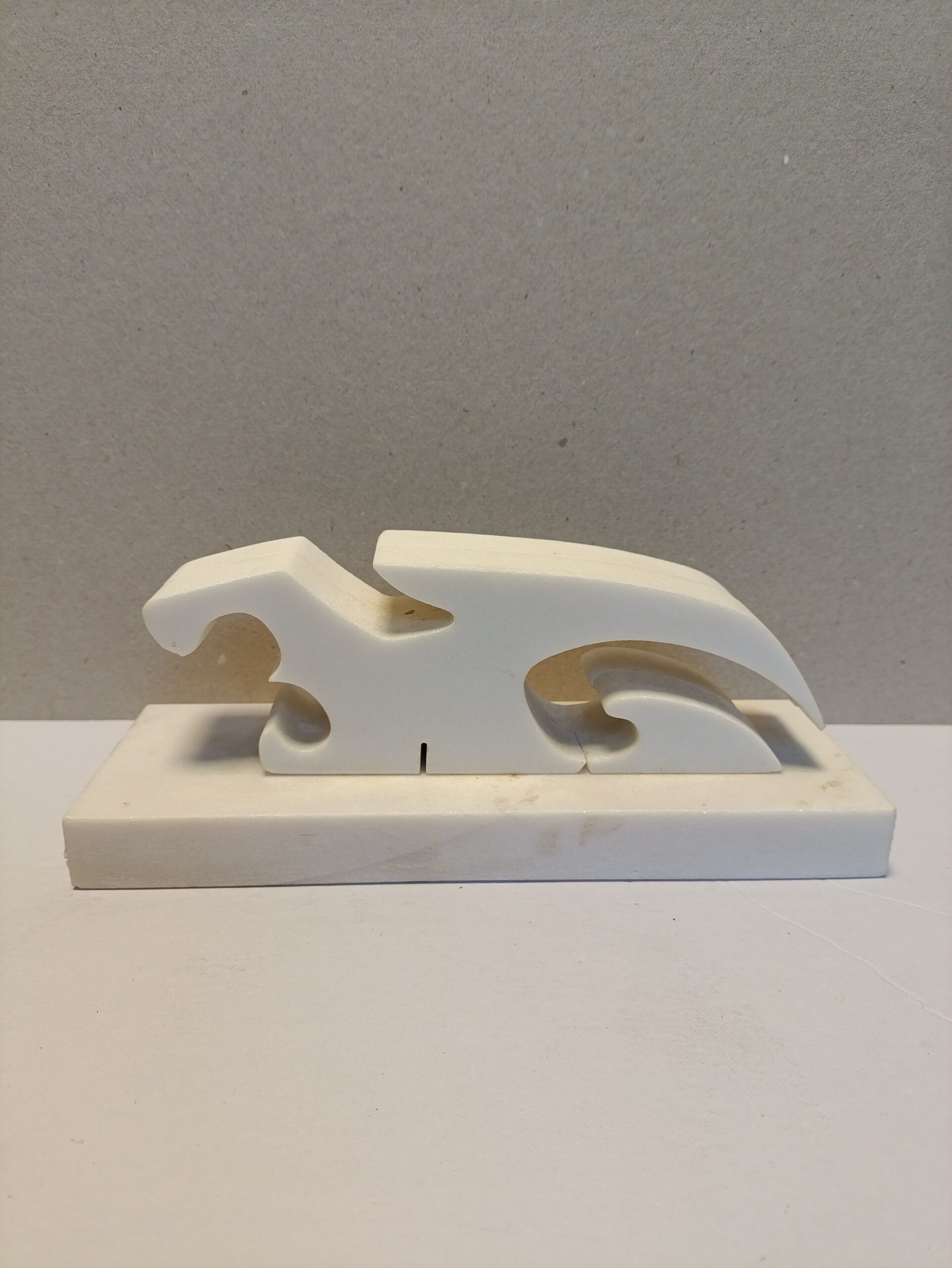
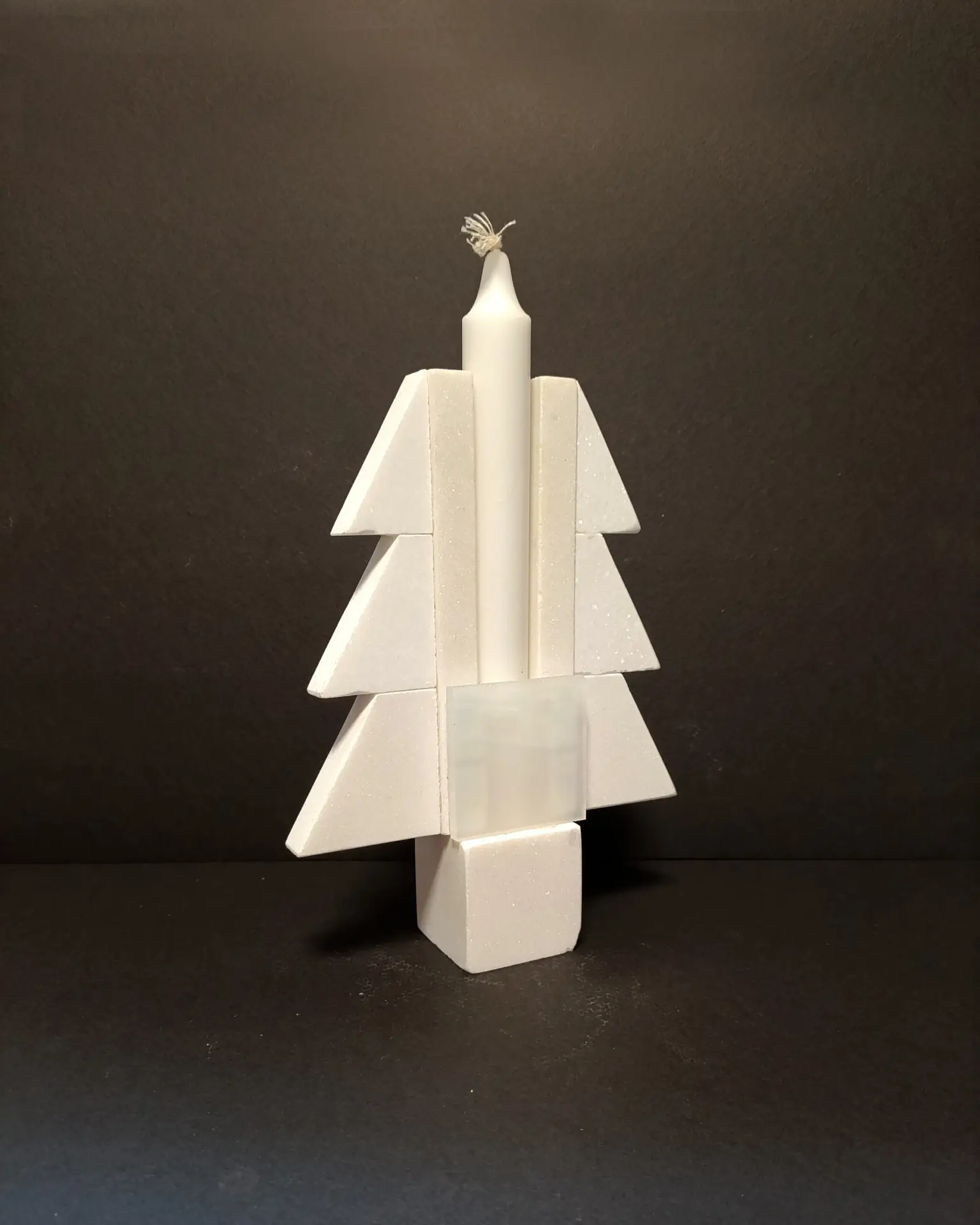
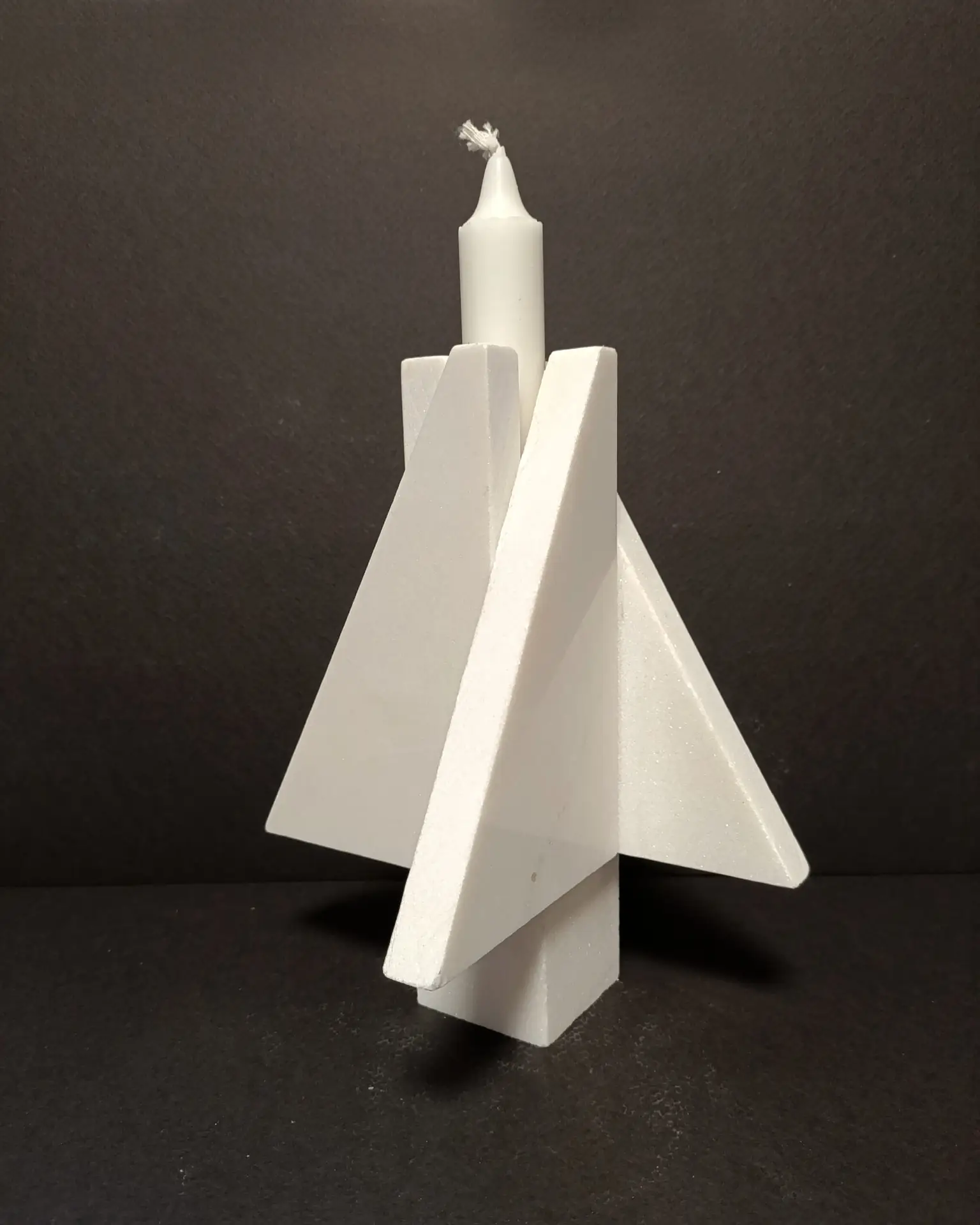
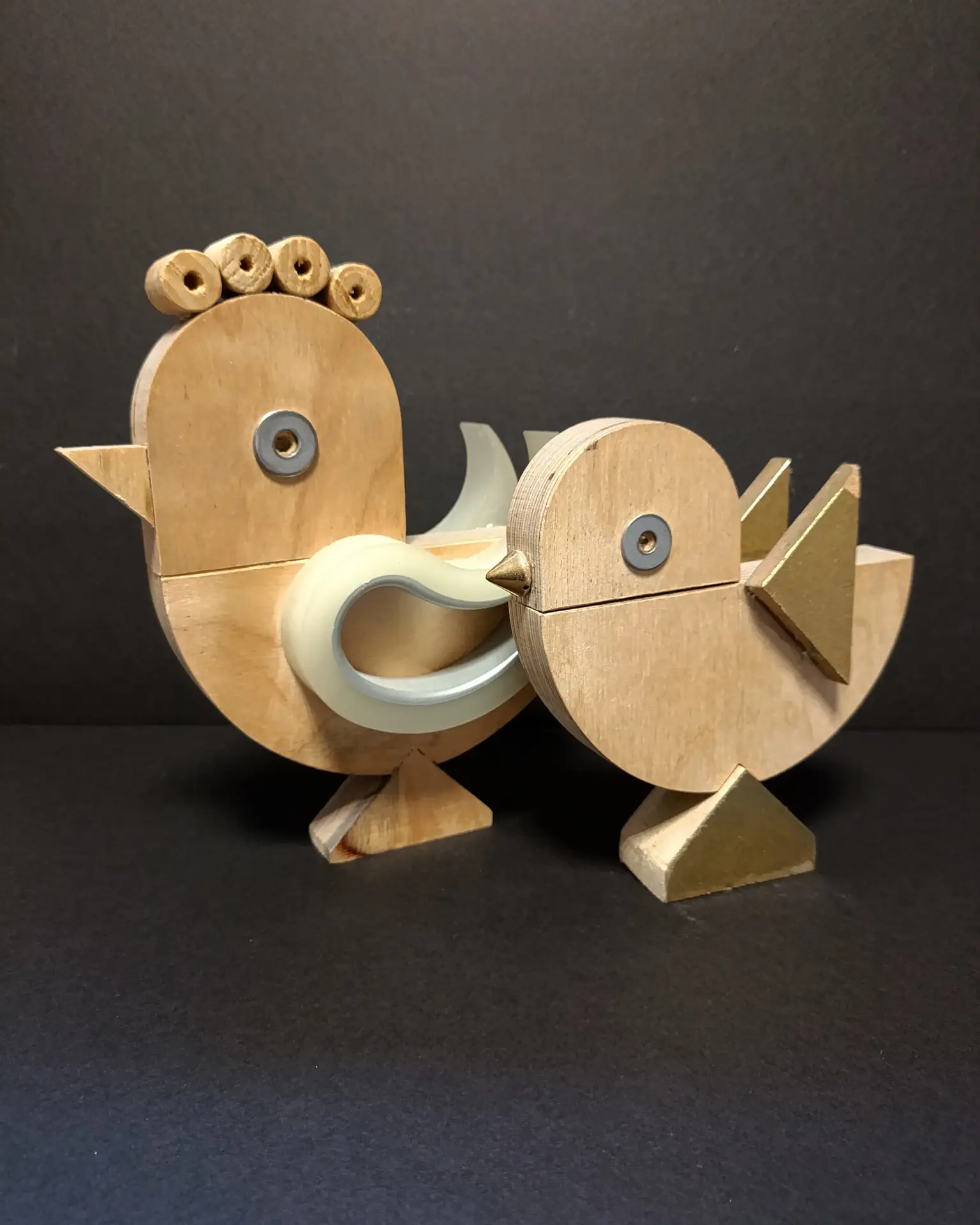
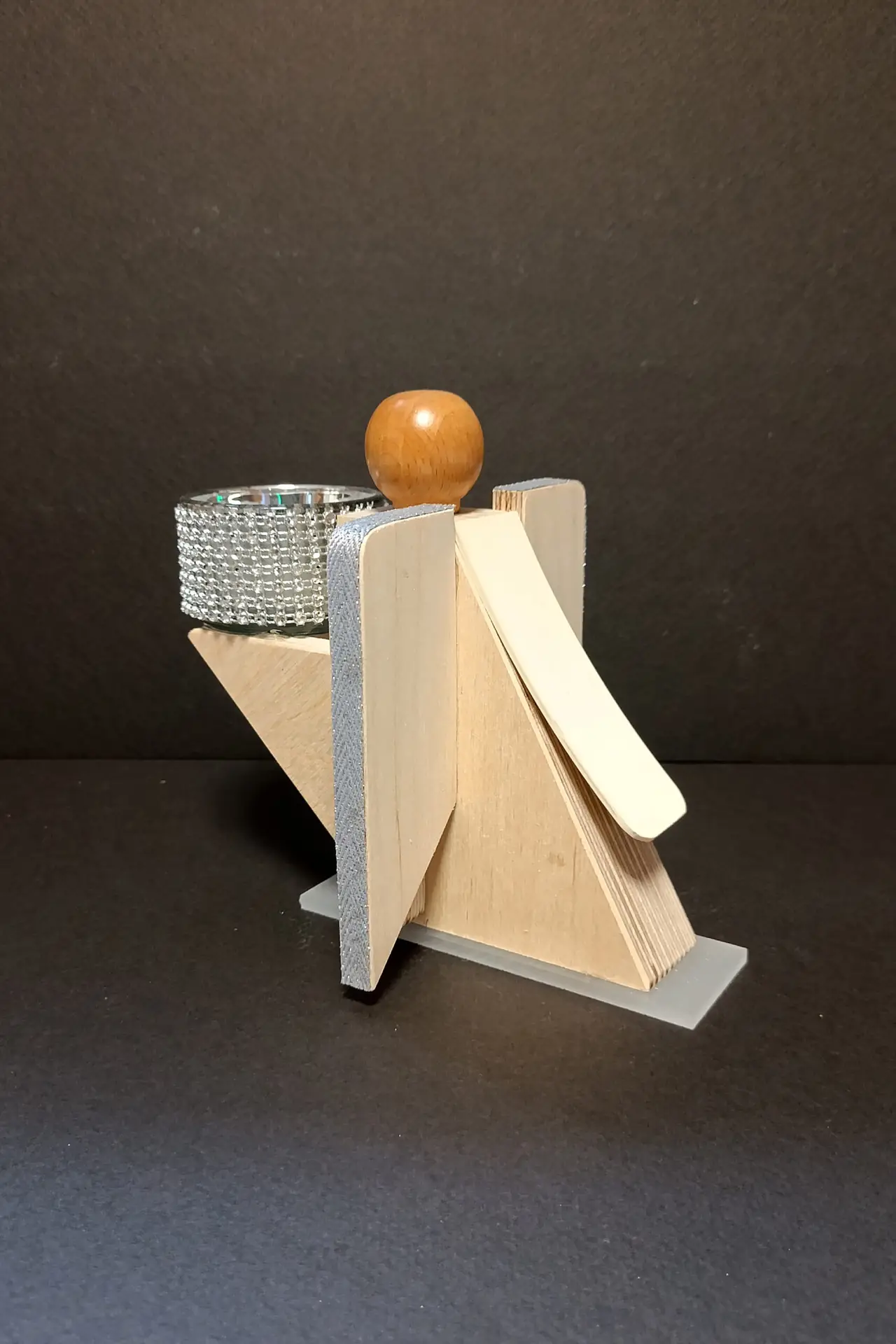
Texts
The philosophy of applied art is based on the phrase "Μηδείς Αγεωμέτρητος Εισίτω", written at the entrance to Plato's Academy, and printed on the advertising labels of products.
This principle, as a basic design aspect, facilitates and simplifies the construction process, reduces material waste, contributes to the recomposition of residues, and with the natural harmony created by geometry, the desired conditions of commerciality are created, and this is what the average consumer is looking for.
A prerequisite for usability, in addition to design, is the physical properties (texture, specific gravity, etc.) of each different material. They should always be examined and ease of use should be ensured.
Furthermore, it is worth mentioning that designing mass-produced products for a living helps the architect engineer move from the psychological wear and tear of providing services for an informed and arrogant public, to a tangible commercial process with a specific and tangible product.